

IREN shares jumps on $1.6 billion Dell deal to expand AI cloud business
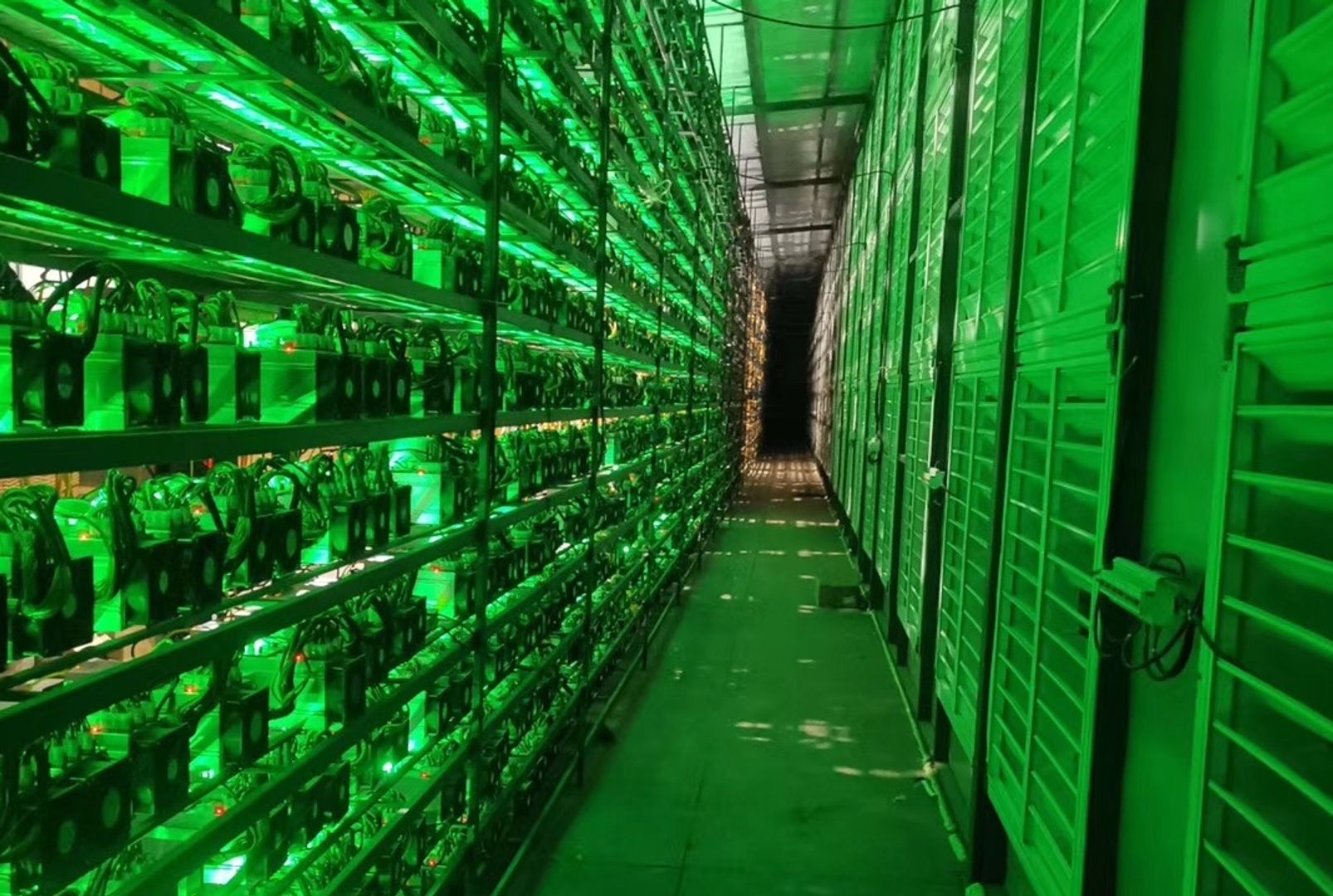
IREN shares jumped 4% after securing a $1.6 billion Dell deal for Blackwell AI systems to expand cloud infrastructure at its Texas facilities. The agreement supports a $3.4 billion five-year AI contract, projected to boost annualized revenue from $3.7 billion to $4.4 billion by 2027. Deployment begins early 2027, positioning IREN as a key AI infrastructure player amid surging compute demand.
Key takeaways
- 1IREN secured $1.6 billion Dell deal for Blackwell AI systems to deploy at Texas facilities starting early 2027.
- 2Agreement supports $3.4 billion five-year AI contract, projected to boost annualized revenue from $3.7 billion to $4.4 billion.
- 3IREN shares rose 4% on the deal, positioning the company as a key player in AI infrastructure amid surging compute demand.
Coins in this story


Why it matters
This deal highlights the massive infrastructure investments required to meet global AI demand, signaling that compute capacity is becoming a critical bottleneck. For Indian retail investors, it demonstrates how traditional infrastructure plays are capitalizing on the AI boom, presenting investment opportunities beyond pure-play crypto assets.
Explore how AI Agents is shaping crypto markets — aggregated stories, leading coins, and weekly momentum.
Explore narrativeRelated stories
Bitcoin drops to 13th largest asset as capital flees to AI and precious metals
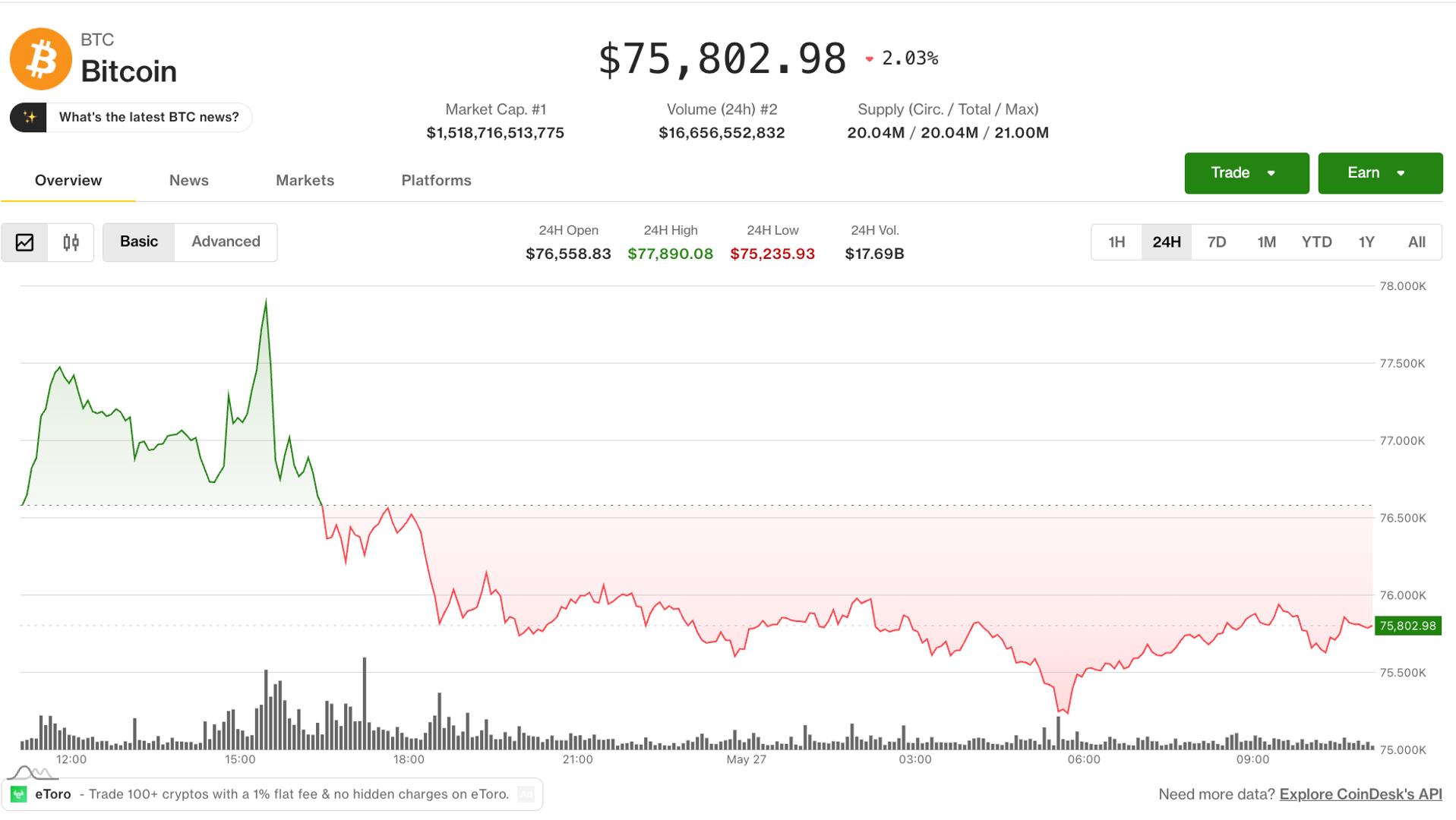
Bitcoin’s weak 2026 performance has coincided with sharp gains in metals and semiconductor giants, raising concerns that the cryptocurrency could continue losing ground....

DeFi isn't safe anymore because AI is becoming 'superhuman' at hacking, security chief warns
OpenZeppelin CEO Manuel Aráoz declared all DeFi unsafe, warning AI coding agents have become "superhuman" at exploiting smart contract vulnerabilities. DeFi's TVL dropped $20 billion this year amid $1.1 billion in hacks, including Kelp DAO's $292 million exploit. Anthropic's Claude Mythos can autonomously discover and weaponize flaws faster than human defenders can patch them, fundamentally challenging DeFi's security model.