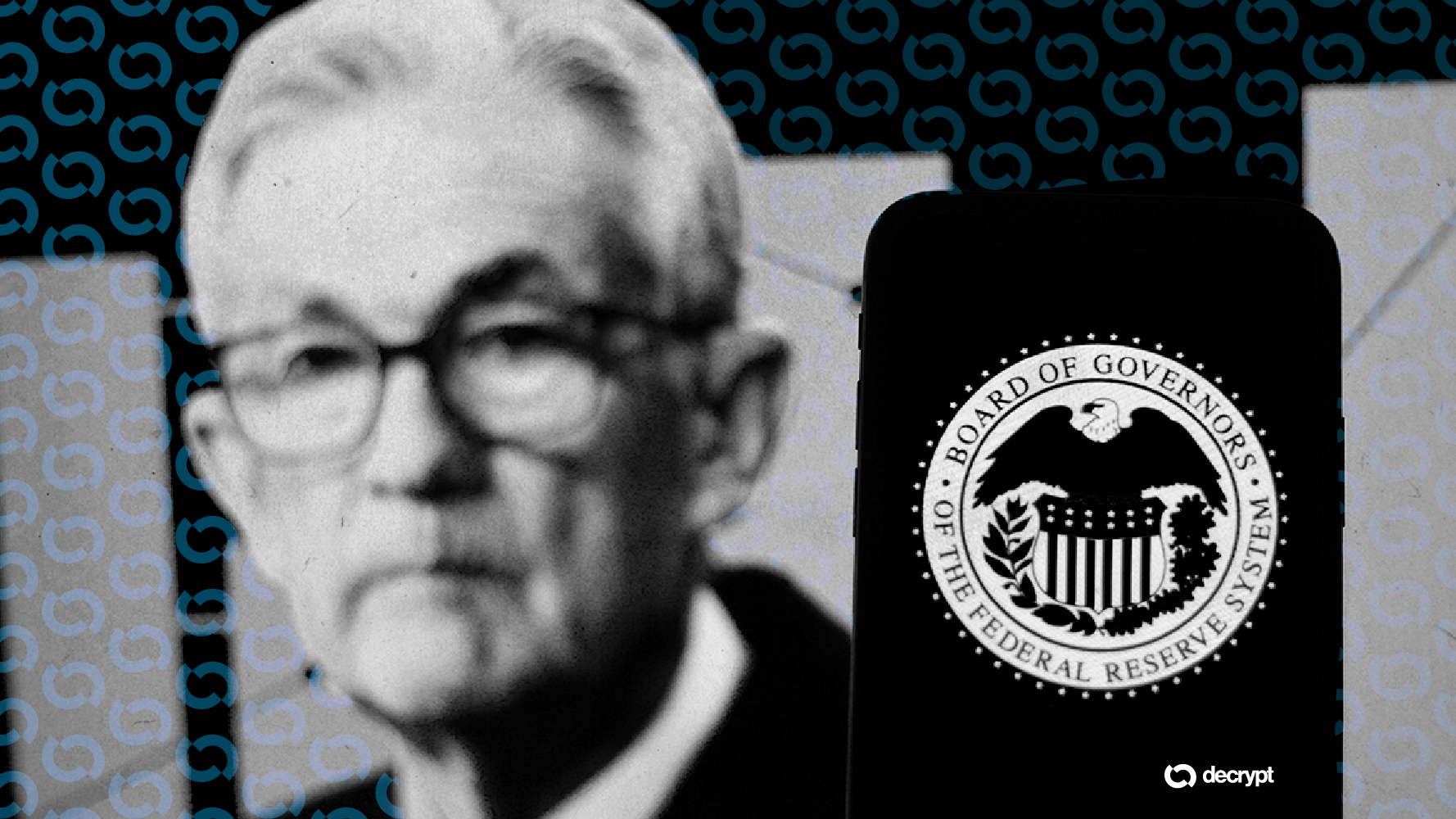

The long con: How North Korean spies spent months in-person to drain $285 million from Drift

The security intelligence research firm said North Korean-state-backed hackers account for 76% of all crypto scam and hack losses in 2026 and have stolen $6 billion since 2017....
Key takeaways
- 1North Korean-backed hackers stole $6 billion in crypto since 2017, accounting for 76% of all crypto hack losses in 2026.
- 2Drift Protocol exploit involved unprecedented months-long in-person social engineering by North Korean proxies meeting with protocol employees.
- 3KelpDAO breach triggered $13 billion exodus from lending platforms, leaving Aave with $200 million bad-debt crisis.
Coins in this story


Why it matters
Indian retail investors face rising sophisticated threats as North Korean hackers evolve from remote attacks to in-person social engineering, requiring stronger institutional security protocols. The cascading DeFi contagion from major breaches demonstrates systemic risks that can wipe billions in value, affecting retail exposure across interconnected lending protocols.
Explore how Regulation is shaping crypto markets — aggregated stories, leading coins, and weekly momentum.
Explore narrativeRelated stories
Coinbase's asset manager to offer stablecoin credit fund with tokenized share class
The fund, dubbed CUSHY, targets yield from onchain lending and private credit, offering tokenized access through Superstate for institutional investors....
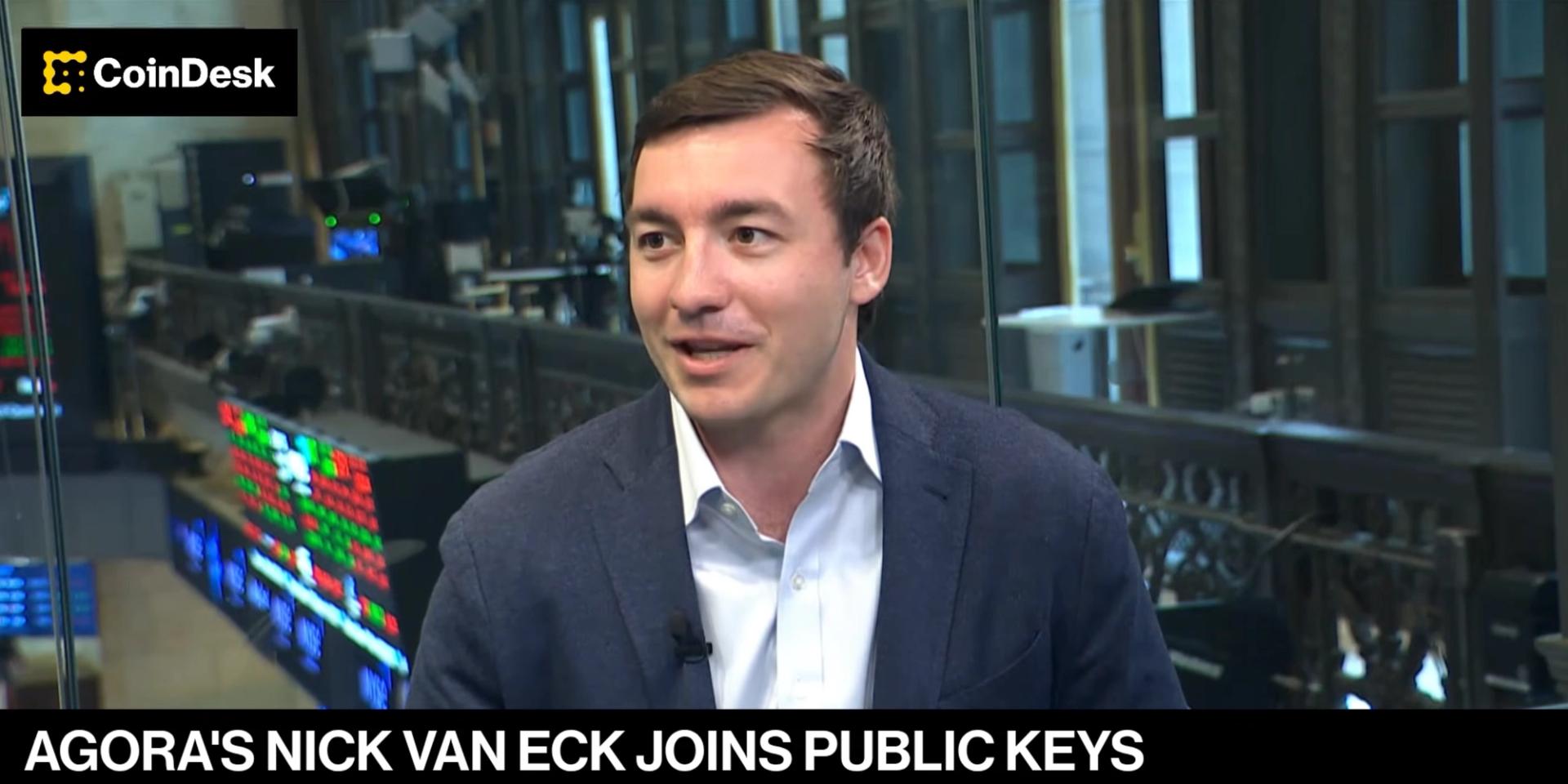
Banks push to slow stablecoin law as Agora races for charter
U.S. banks are pushing regulators to delay the Genius Act's stablecoin framework, while Agora races to secure a national bank charter from the OCC. Banks fear deposit flight if stablecoin issuers offer competitive yields. The outcome will determine whether crypto firms or traditional banks control digital dollar infrastructure. Agora's charter pursuit could reshape payments and reduce fiat-to-crypto conversion fees for Indian investors accessing global markets.