

The world’s central banks are now treating stablecoins like a real multi-trillion dollar monetary threat
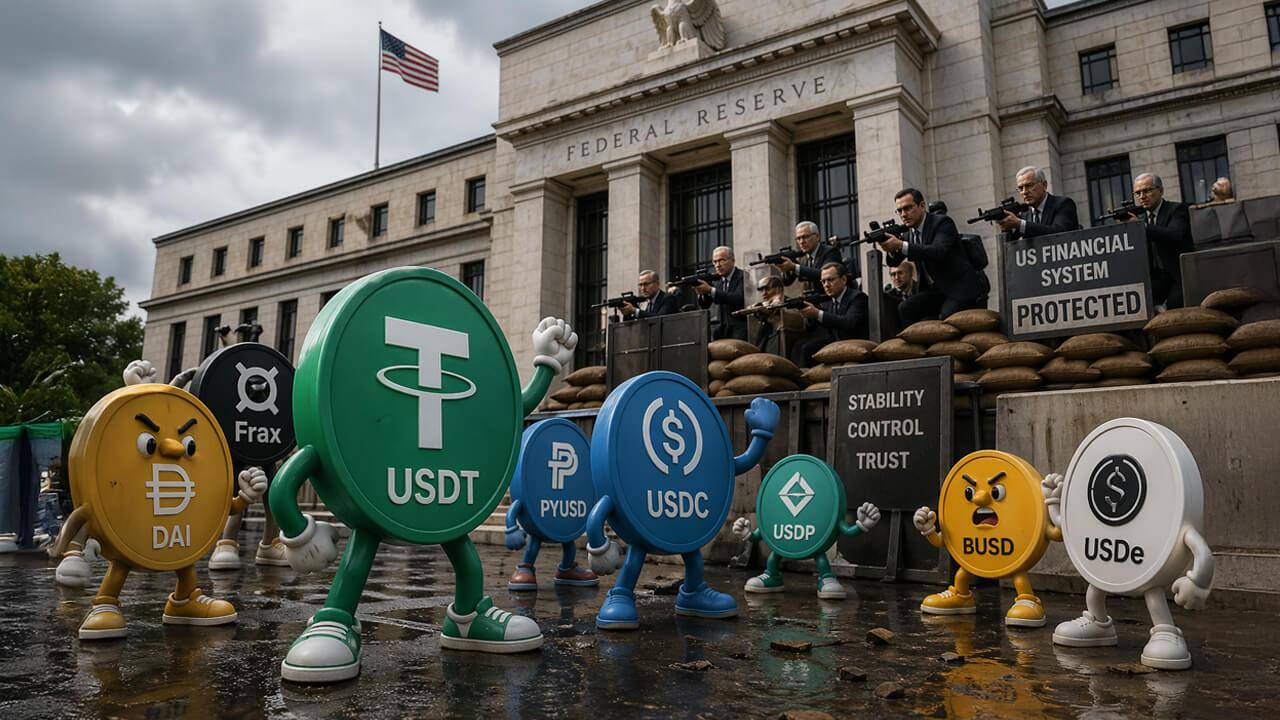
Central banks globally are escalating scrutiny of stablecoins, viewing them as a significant monetary threat amid multi-trillion-dollar growth. Regulators now treat stablecoins seriously, implementing stricter oversight frameworks and capital requirements. This shift signals growing institutional pressure on crypto's most widely-used asset class, potentially reshaping how USD-pegged tokens operate across Indian exchanges and institutional adoption platforms moving forward.
Key takeaways
- 1Central banks globally are escalating stablecoin scrutiny, treating them as a multi-trillion-dollar monetary threat requiring stricter oversight.
- 2Regulators implementing stricter oversight frameworks and capital requirements for stablecoins across institutional and retail trading platforms.
- 3USD-pegged tokens face potential operational reshaping on Indian exchanges as institutional pressure on crypto's most-used asset class intensifies.
Coins in this story
Why it matters
Stricter global stablecoin regulation directly impacts Indian retail investors' access to liquid trading pairs and institutional adoption. Regulatory changes will reshape how USD-pegged tokens operate on domestic exchanges, affecting trading liquidity and compliance requirements for Indian crypto platforms.
Explore how Regulation is shaping crypto markets — aggregated stories, leading coins, and weekly momentum.
Explore narrativeRelated stories

Trillions of dollars in crypto liquidity is concentrating inside the venues US regulators fear most
Crypto liquidity is consolidating on unregulated exchanges like WhiteBIT, raising regulatory concerns in the US. Trillions flow through venues with minimal oversight, creating systemic risks. Market makers prioritize execution speed and fees over compliance. This concentration could trigger tighter global regulations, affecting Indian crypto traders accessing offshore platforms for better liquidity and lower trading costs.
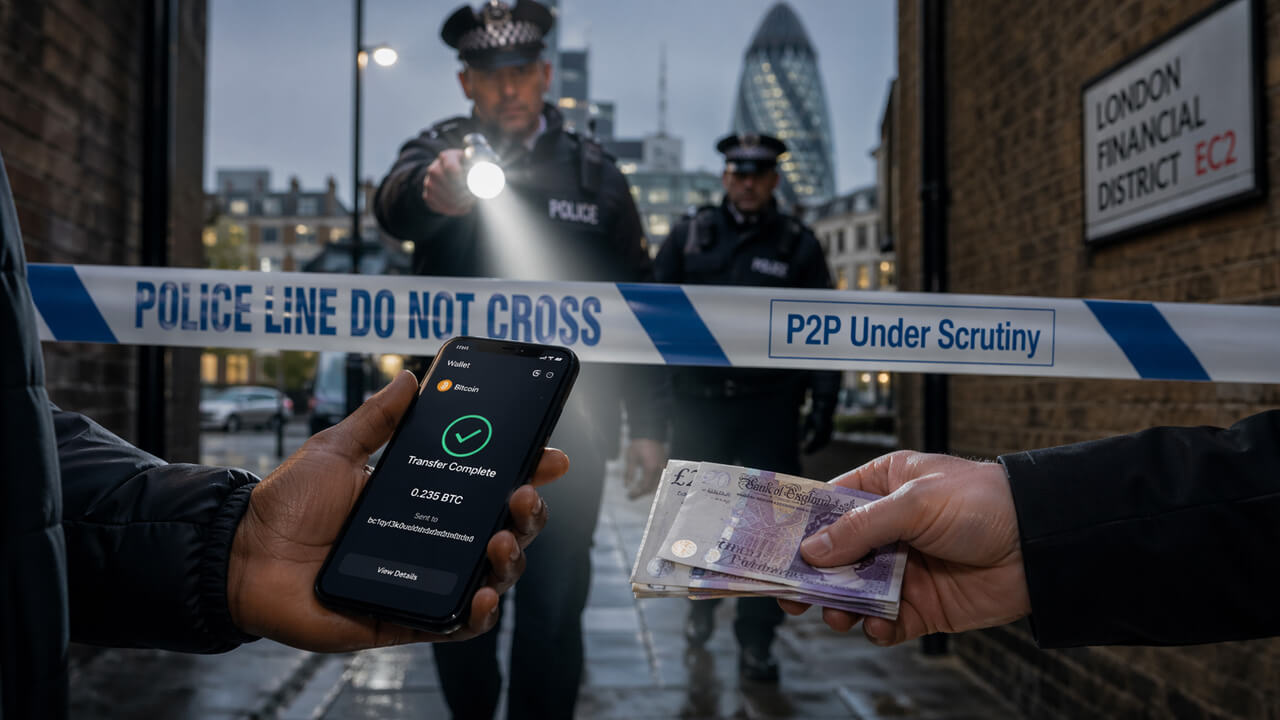
UK police raids on people trading crypto for cash raises a hard question about financial freedom
UK authorities have carried out their first coordinated operation against suspected illegal peer-to-peer crypto trading, sending a clear and simple message to the market: once a person turns crypto dealing into a business, the state expects names, checks, records, and accountability. The Financial Conduct Authority (FCA) said it worked with police and tax of...

Latest “quantum computer breaks the math behind Bitcoin” headlines massively exaggerate risk
On Apr. 24, Project Eleven awarded its Q-Day Prize to Giancarlo Lelli, a researcher who used publicly accessible quantum hardware to derive a 15-bit elliptic curve private key from its public key. This is the largest public demonstration to date of the attack class that could one day threaten Bitcoin, Ethereum, and every other system […] The post Latest “qua...