

CryptoQuant says bitcoin’s April price surge was ‘speculative’ as spot demand remains weak, warns of correction risk

Bitcoin's price rose about 20% in April, but the rally was driven by speculative perpetual futures demand while spot demand remained weak, CryptoQuant said....
Key takeaways
- 1Bitcoin rose approximately 20% in April, but driven primarily by speculative perpetual futures trading rather than genuine spot demand.
- 2CryptoQuant warns weak spot demand indicates correction risk despite the recent price surge.
- 3Futures-driven rallies without underlying spot buying typically precede market pullbacks, presenting traders caution signals.
Coins in this story

Why it matters
For Indian retail investors, this signals the April rally may lack sustainable fundamentals; understanding the difference between speculative futures demand and real spot buying helps avoid entering at unsustainable peaks before potential corrections.
Related stories
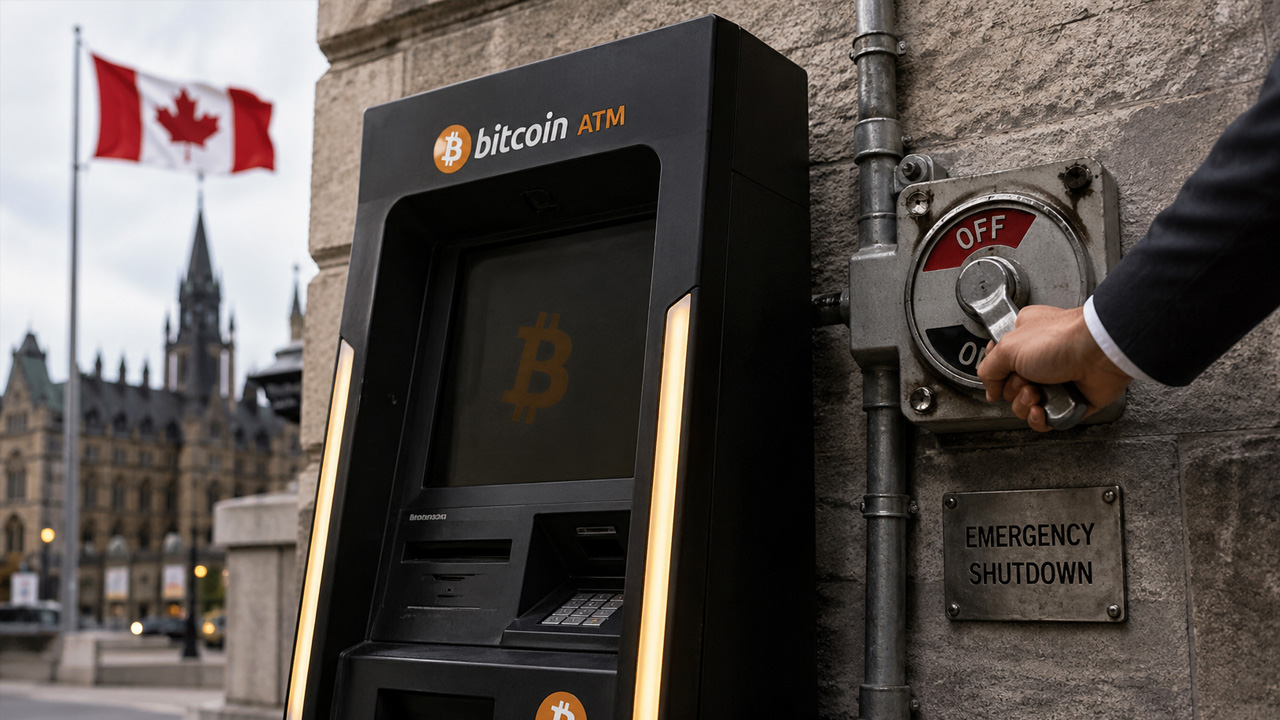
Canada wants to ban crypto ATMs as fraud fears turn Bitcoin access into a political target
Canada's financial regulators propose banning crypto ATMs citing fraud and money laundering risks. The move targets unregulated kiosks facilitating Bitcoin and cryptocurrency access. Regulators worry about consumer protection gaps and illicit fund flows. This reflects growing government scrutiny of crypto infrastructure globally. India closely watches such regulatory moves as it shapes its own crypto framework and enforcement strategies.

Brazil's central bank bans stablecoin and crypto settlement in cross-border payments
The ban applies to fintechs and payment firms, closing the back-end payment rail for cross-border flows, but individual crypto investors can still buy and hold assets....

Crypto industry backs CLARITY Act yield compromise, pushes Senate Banking for markup
Senators Tillis and Alsobrooks released a CLARITY Act compromise banning stablecoin yield equivalent to bank deposits while allowing rewards tied to "bona fide activities." Crypto industry leaders including Coinbase and Circle immediately backed the deal, urging Senate Banking markup. Firms must restructure programs from "buy and hold" to "buy and use" models. The agreement marks progress toward U.S. crypto regulatory clarity.