

Bitcoin stays 'stalled' at $78K as oil threatens new risk-asset squeeze

Bitcoin and risk assets faced an uphill struggle after the S&P 500 hit new all-time highs as analysis warned that BTC price support was at risk....
Key takeaways
- 1Bitcoin stalled at $78,000 as US stocks hit record highs amid mixed risk-asset catalysts and geopolitical uncertainty.
- 2WTI crude oil cooled to $95 after nearing $100, pressuring risk assets including Bitcoin into sideways trading.
- 3BTC bid liquidity at $76.5K already weakened; analysts warn price support risks giving way to deeper retracement.
Coins in this story

Why it matters
Rising oil prices and geopolitical tensions threaten a coordinated squeeze on risk assets including Bitcoin, affecting Indian retail crypto investors' portfolio values. Strong Q1 earnings are critical to sustain the rally; weakness could trigger sharper corrections across equities and crypto markets.
Explore how RWA is shaping crypto markets — aggregated stories, leading coins, and weekly momentum.
Explore narrativeRelated stories

US sanctions Iran-linked crypto wallets, including addresses holding $344 million frozen by Tether: CNN
The move comes a day after Tether froze $344 million worth of USDT, which has now been linked to Iran, CNN reported....
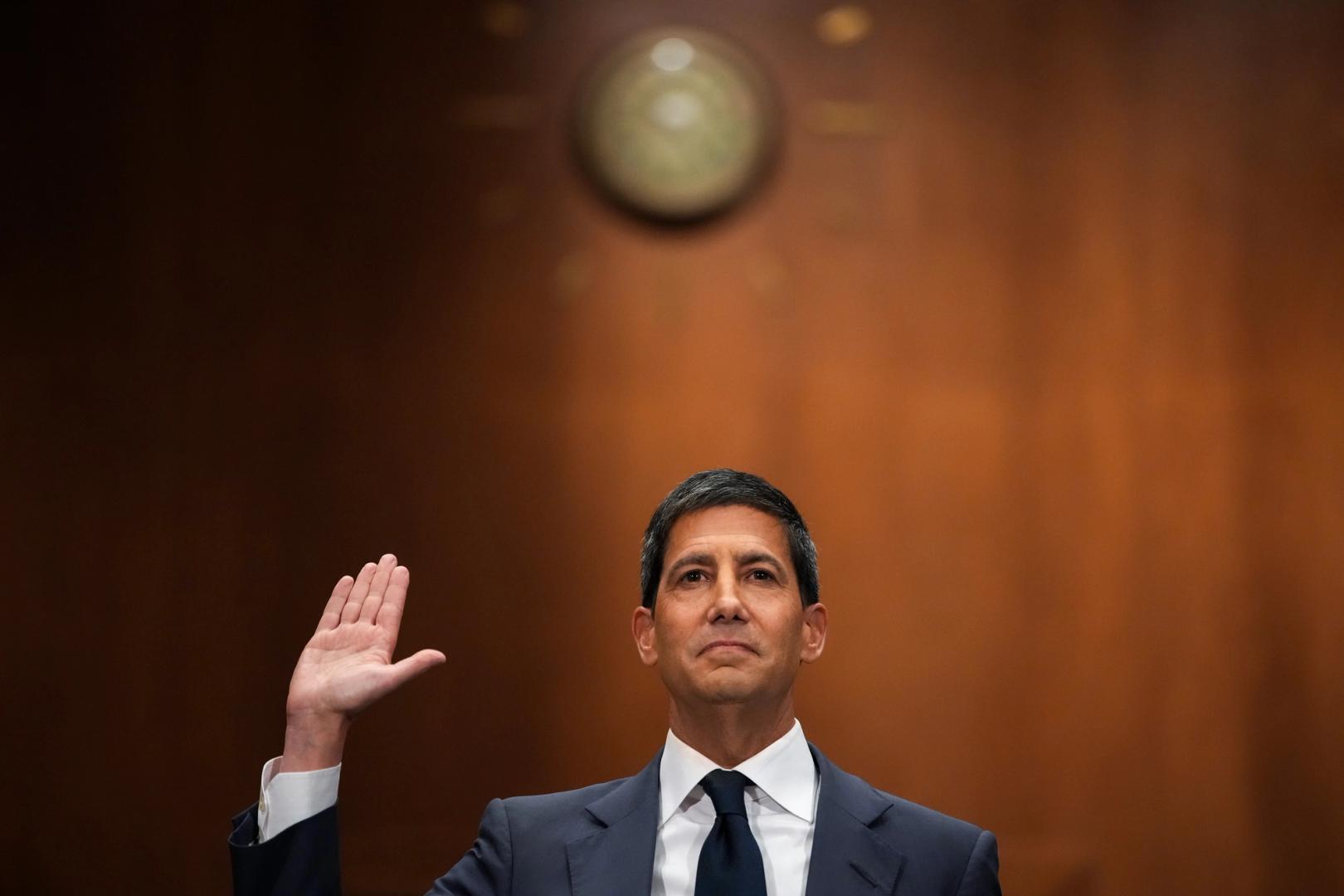
Trump's DOJ drops probe that stood in way of president's pick to run Federal Reserve
Trump's DOJ dropped its investigation into Federal Reserve Chair Jerome Powell, clearing Senate confirmation for nominee Kevin Warsh. Warsh, who holds crypto assets, could accelerate Fed policy favorable to Trump and crypto regulation. The move removes a Republican blockade, with confirmation odds surging to 80%. This signals potential reshaping of U.S. monetary and crypto policy.

Tennessee bans crypto ATMs statewide, joining Indiana in fraud crackdown
Tennessee bans crypto ATMs statewide effective July 1, following Indiana's lead in cracking down on fraud. Operating machines becomes a misdemeanor with $2,500 fines and potential jail time. Crypto kiosks facilitated nearly $390 million in losses in 2025, targeting elderly Americans. The move reflects growing state-level regulatory traction as 20 states have now passed kiosk restrictions.