

Galaxy posts $216 million Q1 loss amid crypto ‘transition year,’ Novogratz bullish on data center growth

Galaxy Digital posted a $216 million Q1 loss amid declining crypto prices, though CEO Novogratz calls it a "transition year" toward mainstream adoption. The firm sees its data center business as key to de-risking from price volatility, with its CoreWeave partnership expected to generate over $1 billion annually. Digital assets segment remained stable at $49 million adjusted gross profit.
Explore how RWA is shaping crypto markets — aggregated stories, leading coins, and weekly momentum.
Explore narrativeRelated stories
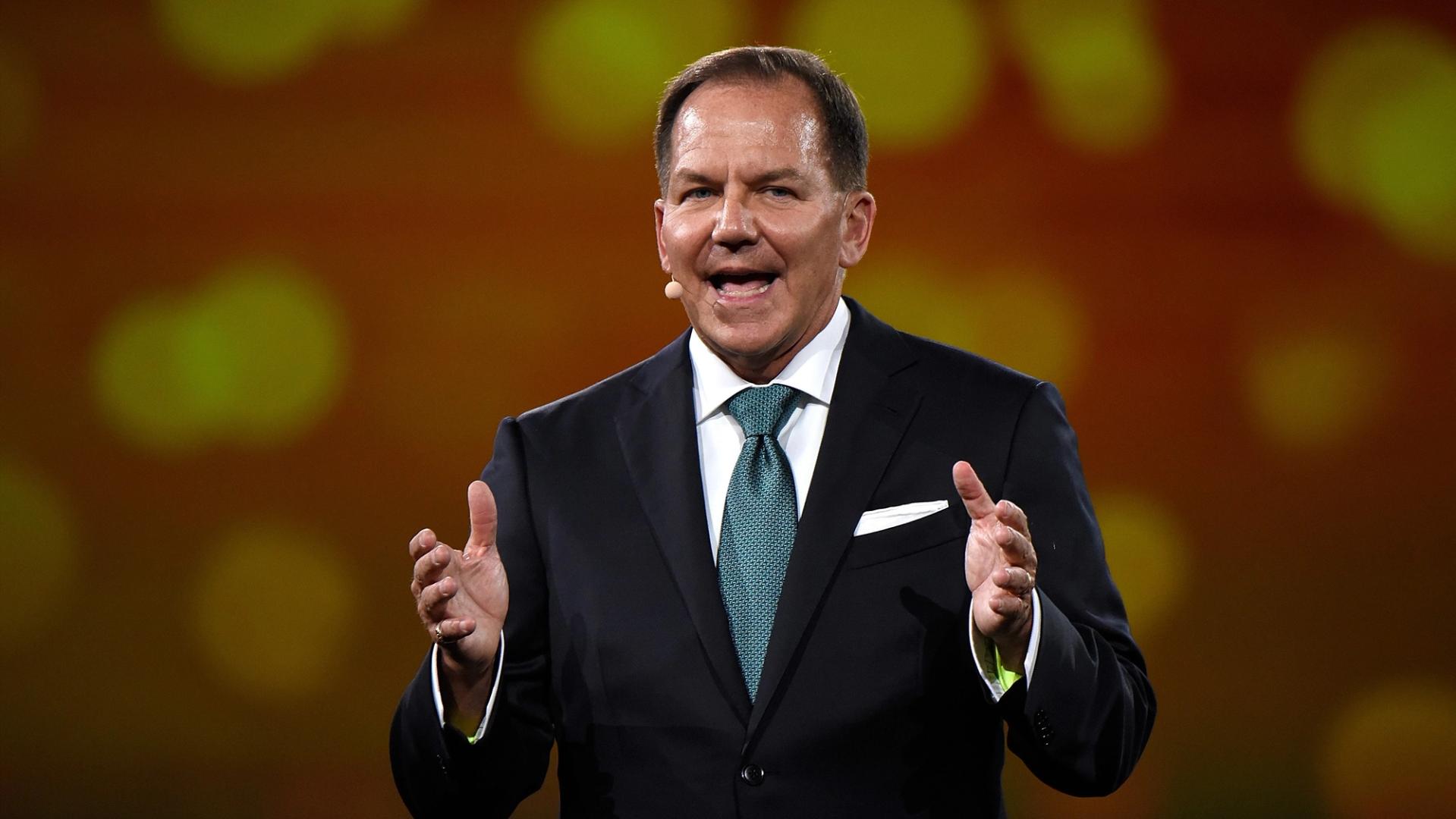
Paul Tudor Jones calls bitcoin the 'best inflation hedge,' warns of overvalued stocks
Billionaire investor Paul Tudor Jones called bitcoin the "best inflation hedge" due to its fixed supply, surpassing gold. He warned U.S. equities are severely overvalued, with S&P 500 valuations echoing the 2000 dot-com bubble, predicting negative 10-year returns. A major correction could explode the federal deficit and damage bond markets through collapsed capital-gains tax revenues.

Your Bank is Becoming a Casino: River CEO Frames Bitcoin as the Alternative
River CEO Alex Leishman warned at Bitcoin 2026 that modern finance is morphing into gambling, with prediction markets and betting features replacing traditional banking. He positioned bitcoin banking as an alternative offering wealth generation through savings rather than speculation. Leishman argued institutional adoption and regulatory progress signal bitcoin's maturation as a reserve asset for conservative wealth preservation.
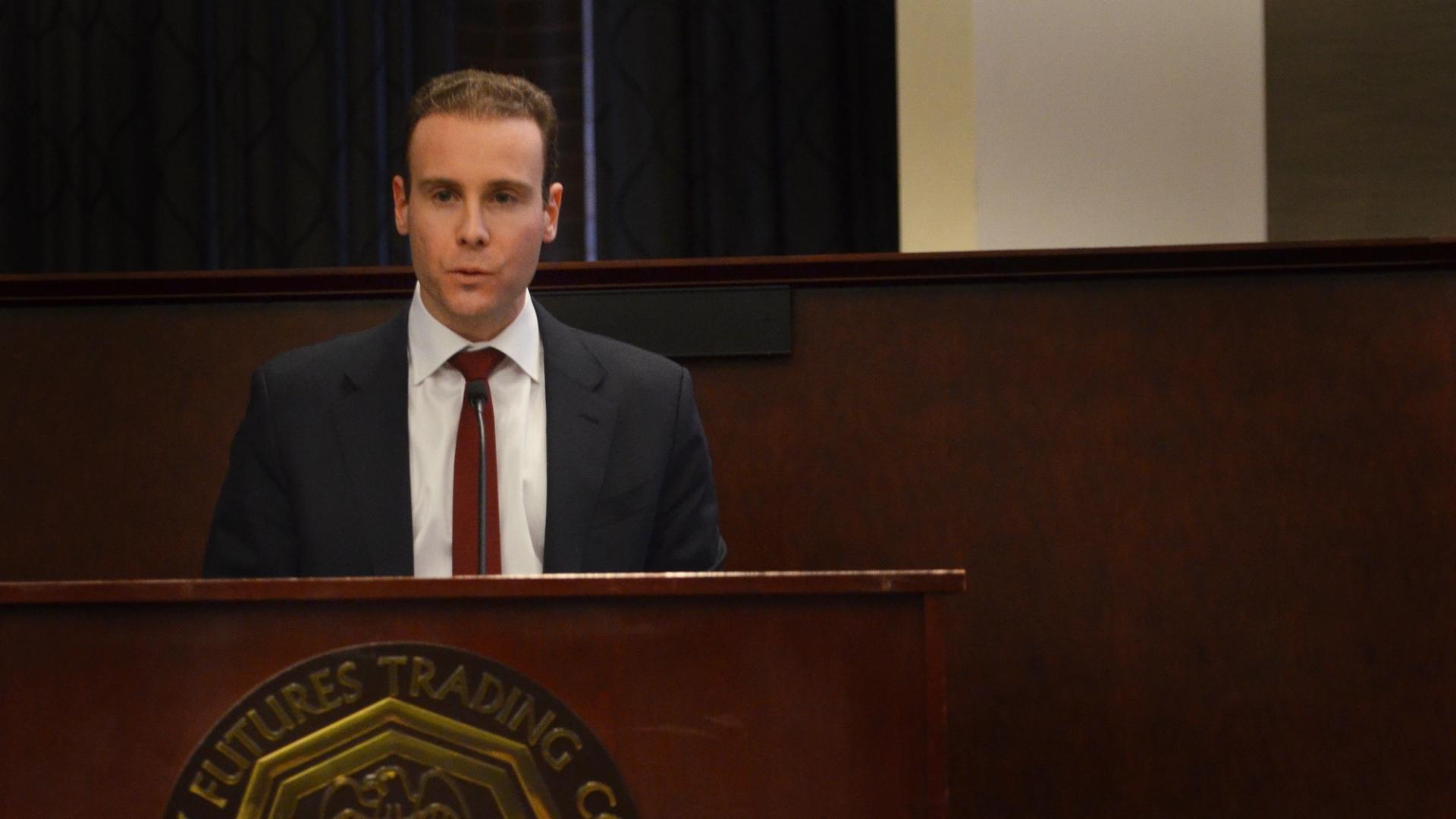
CFTC sues Wisconsin in agency's legal campaign defending prediction markets authority
The CFTC sued Wisconsin over prediction market regulation, escalating its legal campaign against states claiming gambling jurisdiction. Wisconsin had days earlier sued Kalshi, Polymarket, and Coinbase. CFTC Chair Mike Selig asserts exclusive federal authority over event contracts as derivatives, not state gambling. Multiple states including New York and Arizona are challenging this stance, creating regulatory uncertainty for platforms operating in U.S. markets.