

Bitcoin's dwindling exchange reserves don't pack the same bullish punch anymore
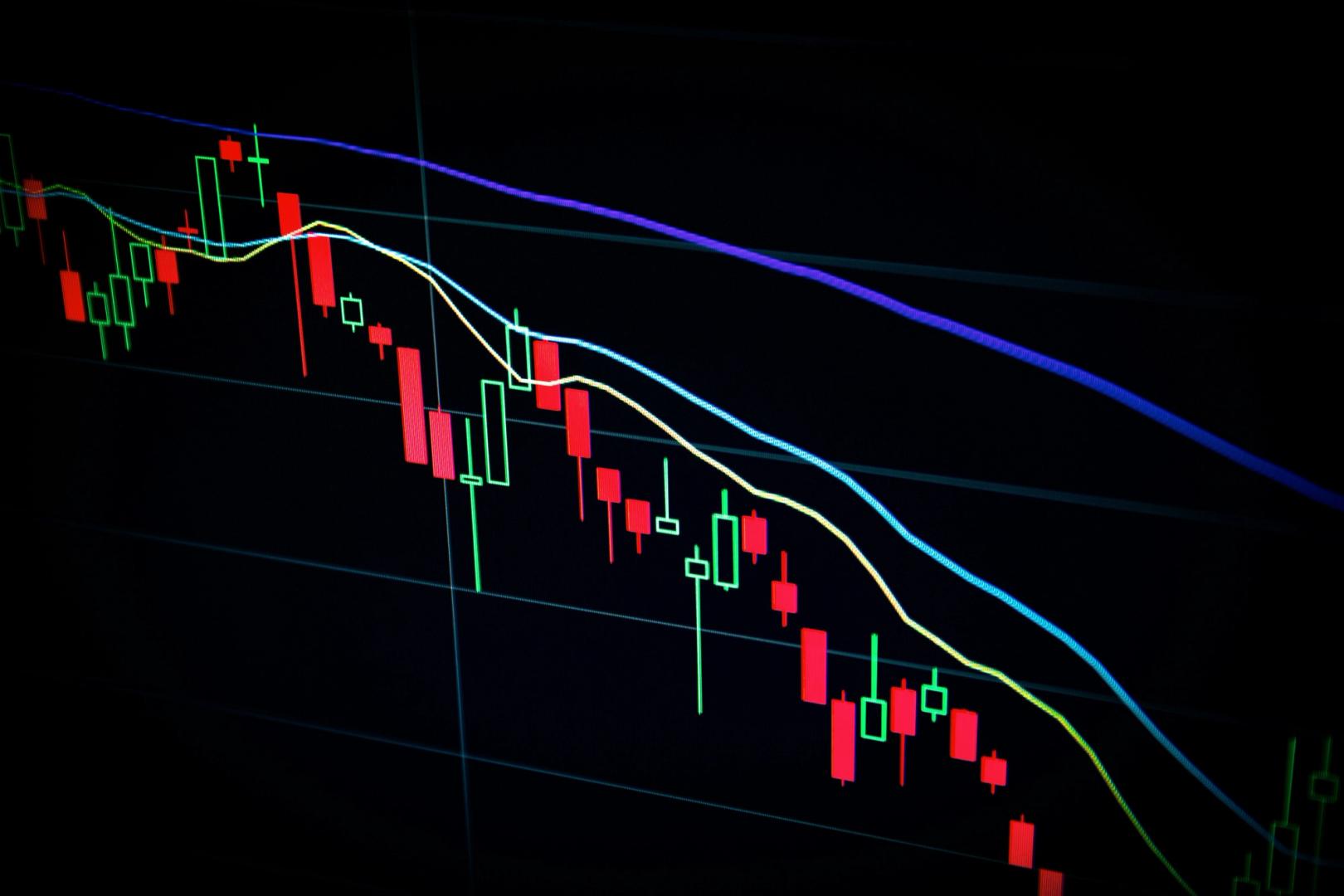
Bitcoin exchange reserves hit their lowest since 2017, with ether at 2015 lows, traditionally signaling bullish conditions. However, analysts say this metric has weakened as institutional custody, ETFs, and DeFi protocols now hold significant crypto amounts. While reduced exchange supply may support future bull cycles, the indicator no longer reliably predicts price movements given market evolution and financialization through alternative vehicles.
Key takeaways
- 1Bitcoin and ether exchange reserves hit lowest levels since 2017 and 2015 respectively, with BTC at 6.6% and ETH at 4.3% of circulating supply.
- 2Institutional custody, spot ETFs ($73B in bitcoin ETFs), and DeFi protocols now hold significant crypto, making exchange reserve declines less predictive of price moves.
- 3Low exchange balances historically signaled bull cycles, but this metric has weakened as market financialization shifted assets away from exchanges into alternative vehicles.
Coins in this story
Why it matters
Indian retail investors should understand that traditional bullish indicators like exchange reserve depletion are less reliable now due to market maturation and institutional adoption. The shifting crypto landscape means analyzing where assets move to—custody, ETFs, DeFi—matters more than exchange balances alone for predicting future price movements.
Explore how RWA is shaping crypto markets — aggregated stories, leading coins, and weekly momentum.
Explore narrativeRelated stories

Latin America’s biggest stock exchange now offers options on bitcoin, ether and solana futures
These options settle into underlying futures contracts rather than spot cryptoassets, involving no custody, transfer, or administration of tokens....
Crypto trader applies legendary HODL strategy to EUR/USD forex bet
A trader held a $1.14 million EUR/USD perpetual futures position for 400 days on Ostium DEX, applying bitcoin's HODL strategy to forex. The bet incurred 2.3% annual costs via rollover fees rather than crypto funding rates. Onchain FX platforms remain tiny compared to the $9 trillion daily global forex market, yet demonstrate growing trader comfort with blockchain-based traditional asset trading.