

Republican lawmakers call for permanent CBDC ban as House vote approaches

Tom Emmer, the House majority whip, is also advocating for his Anti-CBDC Surveillance State Act, which has passed the House but has yet to pass the Senate....
Key takeaways
- 1Republican lawmakers push for permanent US CBDC ban via 21st Century ROAD to Housing Act, currently set for House vote this week.
- 2Tom Emmer's Anti-CBDC Surveillance State Act passed the House but awaits Senate approval to permanently block Federal Reserve from issuing CBDCs.
- 3Only three countries—Nigeria, Jamaica, Bahamas—have deployed CBDCs; 41 others remain in pilot phase globally.
Coins in this story


Why it matters
US regulatory stance on CBDCs affects global crypto adoption trends and India's own digital rupee considerations. A permanent US ban could influence other nations' CBDC policies and boost decentralized crypto alternatives preferred by Indian retail investors.
Explore how ETF is shaping crypto markets — aggregated stories, leading coins, and weekly momentum.
Explore narrativeRelated stories
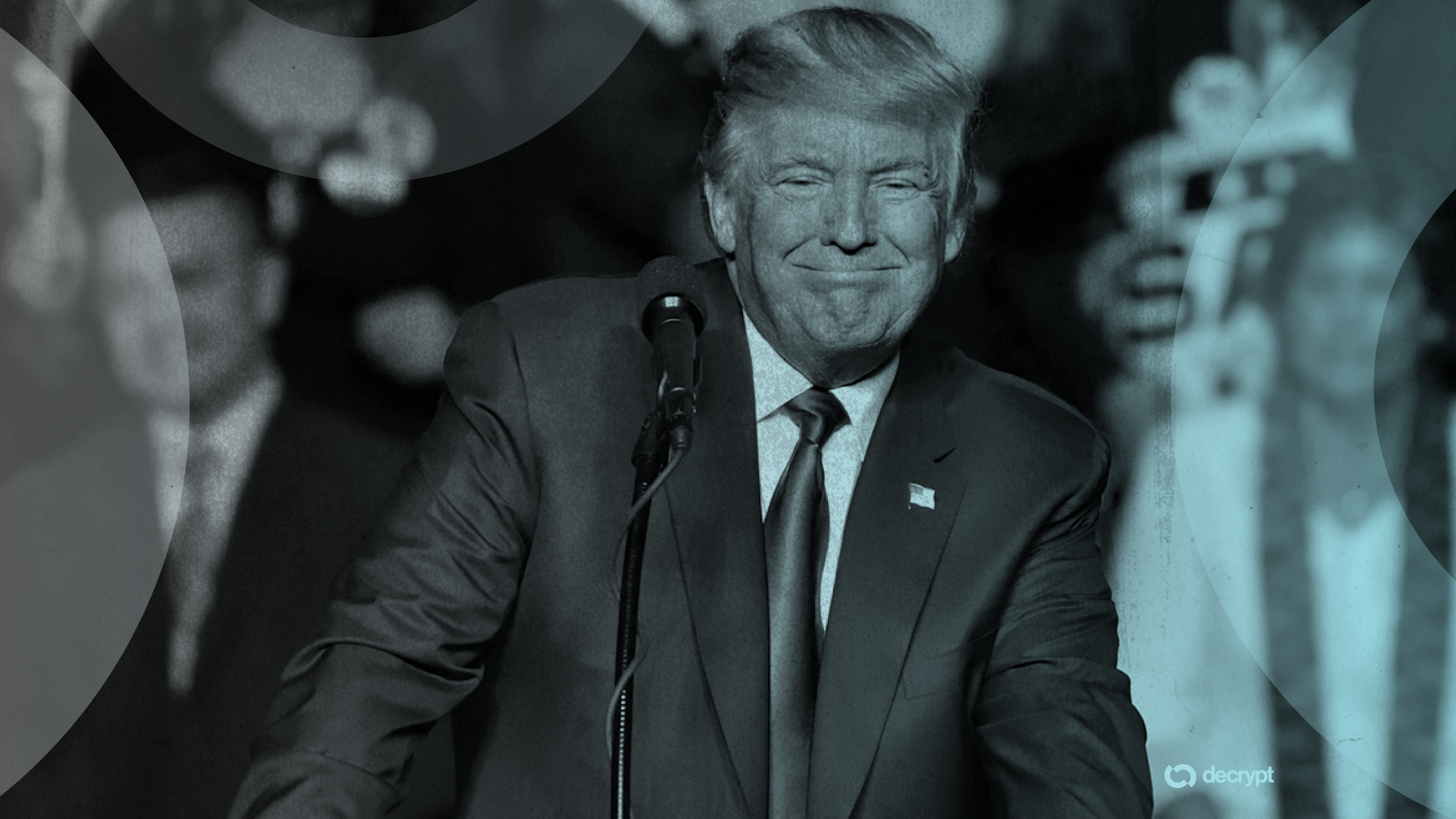
Trump's Truth Social Pulls Bitcoin ETF Application From SEC Review
Truth Social's parent company withdrew its Bitcoin ETF application from SEC review, signaling reduced regulatory pressure on crypto assets. Bitcoin remains stable at $77,445, with broader market sentiment cautiously optimistic. The move suggests potential policy shifts favoring digital assets under new administration. For Indian investors, regulatory clarity around Bitcoin ETFs could influence institutional adoption and market accessibility.

Bitcoin’s ‘momentum is fading’: Traders have these support levels in mind
Bitcoin momentum is fading following drop to $76,000 as analysts warn a loss of key support at $74,000-$76,000 could trigger a deeper BTC price correction....

South Carolina governor signs bill protecting Bitcoin miners, banning CBDC
South Carolina Governor Henry McMaster signed Senate Bill 163, banning state agencies from accepting CBDCs while protecting Bitcoin miners from discriminatory zoning and licensing rules. The law also guarantees crypto self-custody rights and exempts mining, node operation, and blockchain development from money transmitter licensing. This positions South Carolina among America's most crypto-friendly states, joining Kentucky, Oklahoma, and others advancing pro-blockchain legislation.