

Australia plans capital gains tax changes affecting crypto investors: Report

Australia's Albanese government plans to replace the 50% capital gains tax discount on long-term assets with inflation-adjusted taxation, effective July 2027. The change would significantly increase tax obligations for crypto investors holding assets over 12 months. Portfolio managers warn this could redirect investment capital toward tax-advantaged housing, reducing incentives for productive asset investments including cryptocurrencies.
Coins in this story


Explore how ETF is shaping crypto markets — aggregated stories, leading coins, and weekly momentum.
Explore narrativeRelated stories

Global crypto funds log $858M inflows in sixth straight positive week as Clarity Act progress lifts sentiment: CoinShares
Global crypto funds logged $858 million in inflows last week—their sixth consecutive positive week—driven by progress on the U.S. Clarity Act and Bitcoin breaking $80,000. BlackRock's iShares led inflows with $733 million. Bitcoin products dominated with $706 million, while Ethereum and Solana also attracted capital. The Senate Banking Committee markup this week could further boost sentiment toward a July 4 passage deadline.
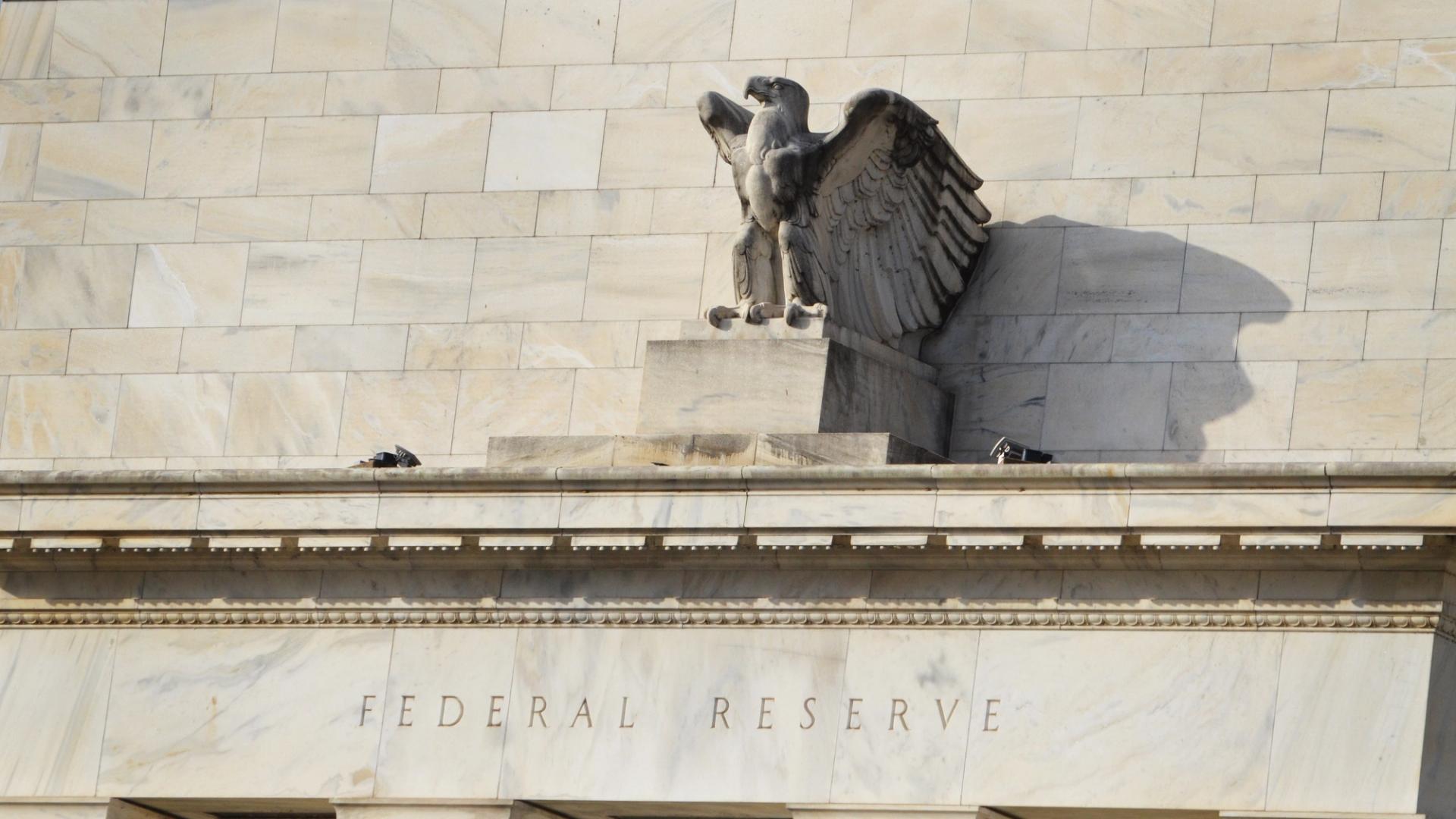
New Fed chair, Base's Azul upgrade, corporate earnings: Crypto Week Ahead
Bitcoin holds $80,814 as markets await U.S. inflation data and Federal Reserve leadership transition. Base's Azul upgrade launches this week alongside crypto company earnings season. India inflation expected at 3.8% impacts regional investor sentiment. Market focus shifts toward sustainable infrastructure over speculative narratives, with institutional allocators reassessing positions amid macro volatility and regulatory developments including the Digital Asset Market Clarity Act vote.

Whitehat returns $190K to Renegade hours after hacking the protocol
A whitehat hacker exploited Renegade's Arbitrum dark pool, stealing $209,000 in ERC-20 tokens, then returned $190,000 within 45 minutes after the protocol requested 90% restitution via onchain message. The vulnerability stemmed from faulty deployment code and a botched April 2025 migration. Renegade will compensate affected users; only 7% of trading volume used the compromised V1 pool.