

Toddlers learn by falling: Why DeFi's $20 billion TVL drop is just a market stress-test

DeFi Technologies president Andrew Forson says the stablecoin layer is thriving, with more than $150 billion in U.S. Treasuries backing coins like USDT and USDC....
Key takeaways
- 1DeFi stablecoins held over $150 billion in U.S. Treasuries as of December 2025, exceeding Saudi Arabia and Germany's central bank holdings.
- 2Core stablecoin transaction volumes are expanding 20-30% month-over-month, with $35 trillion moved in 2025 alone.
- 3DeFi sector experienced $20 billion TVL drop and $1.1 billion lost to hacks, but Bitcoin and Ethereum core networks remain unhacked.
Coins in this story


Why it matters
For Indian retail investors, this highlights DeFi's growing institutional legitimacy despite recent hacks, suggesting crypto infrastructure is maturing faster than traditional finance. However, the significant losses demonstrate real security risks that require careful due diligence before participation in DeFi protocols.
Explore how RWA is shaping crypto markets — aggregated stories, leading coins, and weekly momentum.
Explore narrativeRelated stories

A blockchain lottery plans to turn crypto gambling fees into Ethereum developer funding
Megapot, a blockchain lottery protocol, partners with Protocol Guild to funnel 100% of referral fees from ticket sales directly to Ethereum core developers via smart contracts. The initiative addresses persistent developer funding gaps by converting speculative gambling activity into transparent, onchain revenue streams. Protocol Guild estimates Ethereum needs $30-60 million annually for sustainable infrastructure maintenance.

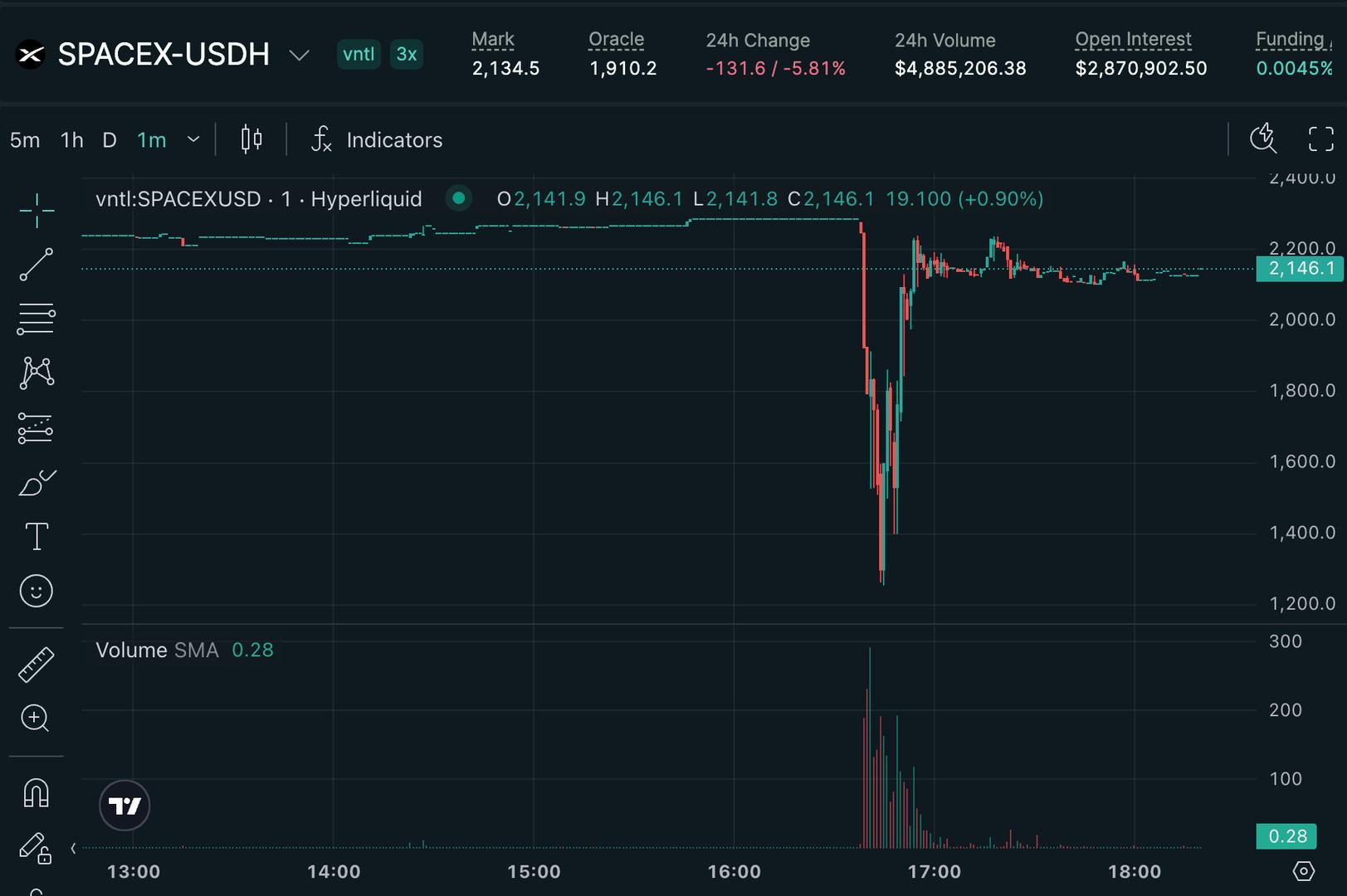
Hyperliquid's pre-IPO SpaceX contracts suffers 45% flash crash, liquidating $1.5 million
Hyperliquid's synthetic SpaceX perpetual contract crashed 45% in 30 minutes, liquidating $1.51 million across 405 retail traders using high leverage. The thin market lacked sufficient liquidity to absorb a massive sell order, devastating small investors holding minimal margin positions. The contract trades without an official price benchmark ahead of SpaceX's anticipated June IPO, exposing traders to extreme volatility risks.