
US lawmakers push back on Labor Department plans to include crypto in 401(k)s

The three members of Congress said the volatility of digital assets and “lack of regulation and safeguards” could put Americans’ retirement savings at risk....
Key takeaways
- 1Three US lawmakers urged Labor Department to halt allowing crypto in 401(k)s, citing volatility and lack of regulatory safeguards.
- 2Americans held $10.1 trillion in 401(k) plans as of December 31, 2025, potentially exposed to crypto fraud risks.
- 3Trump's March proposal to include alternative assets in retirement plans follows his August 2025 executive order on democratizing asset access.
Coins in this story

Why it matters
This regulatory tussle in the US signals broader institutional crypto adoption challenges globally. For Indian retail investors, it highlights how even major economies struggle balancing crypto innovation with investor protection—relevant as India shapes its own crypto policy framework.
Explore how ETF is shaping crypto markets — aggregated stories, leading coins, and weekly momentum.
Explore narrativeRelated stories
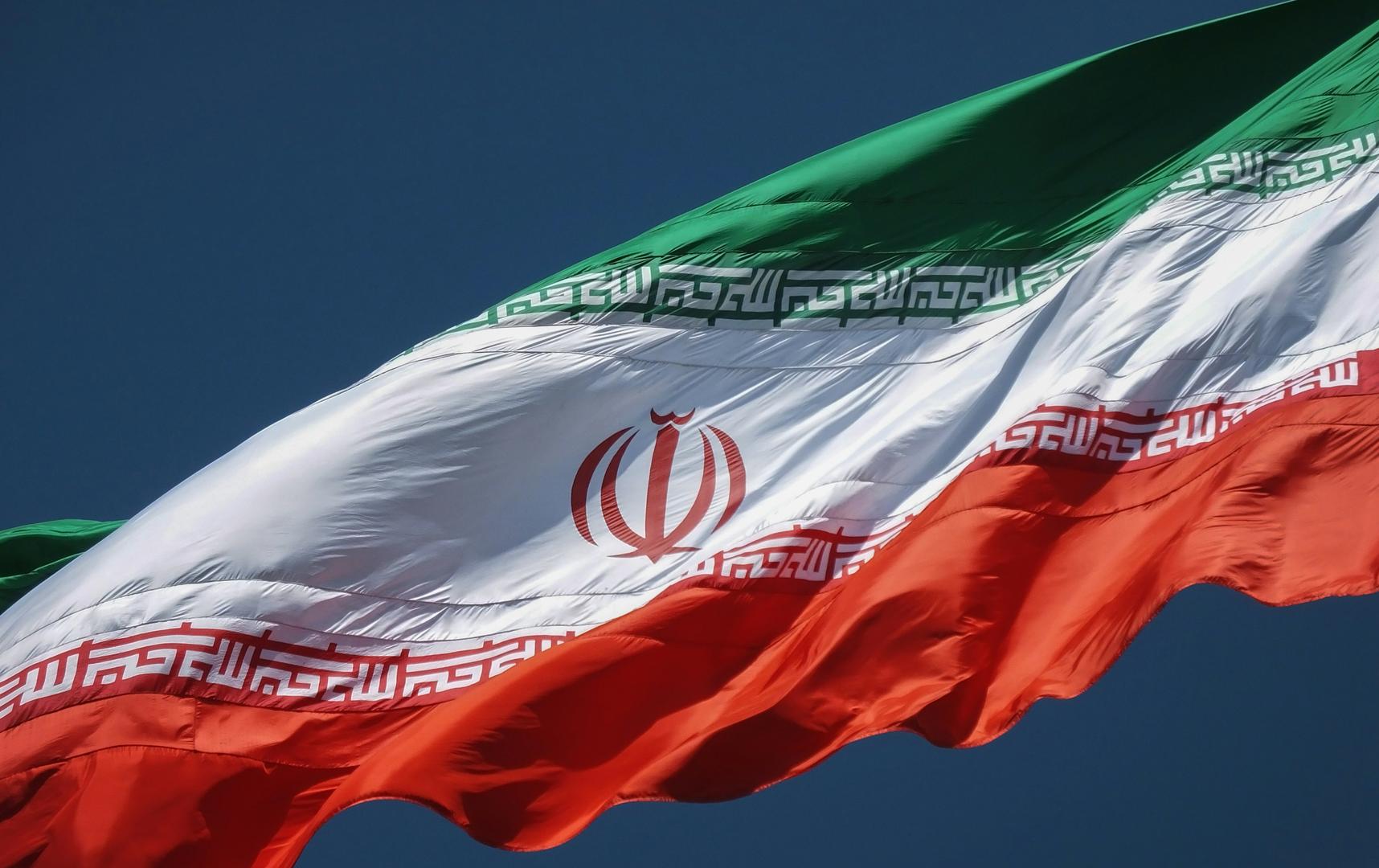
U.S. sanctions Iranian crypto exchanges in ongoing war against the country
The U.S. Treasury blacklisted Iran's largest crypto exchange Nobitex alongside three others, barring American entities from transacting with them. This follows Treasury's seizure of $1 billion in Iranian crypto since bombing campaigns began. The sanctions target alleged terrorist financing and sanctions evasion, intensifying Washington's pressure on Tehran's economy. India-focused investors should monitor how these geopolitical tensions affect global crypto liquidity and regulatory frameworks.
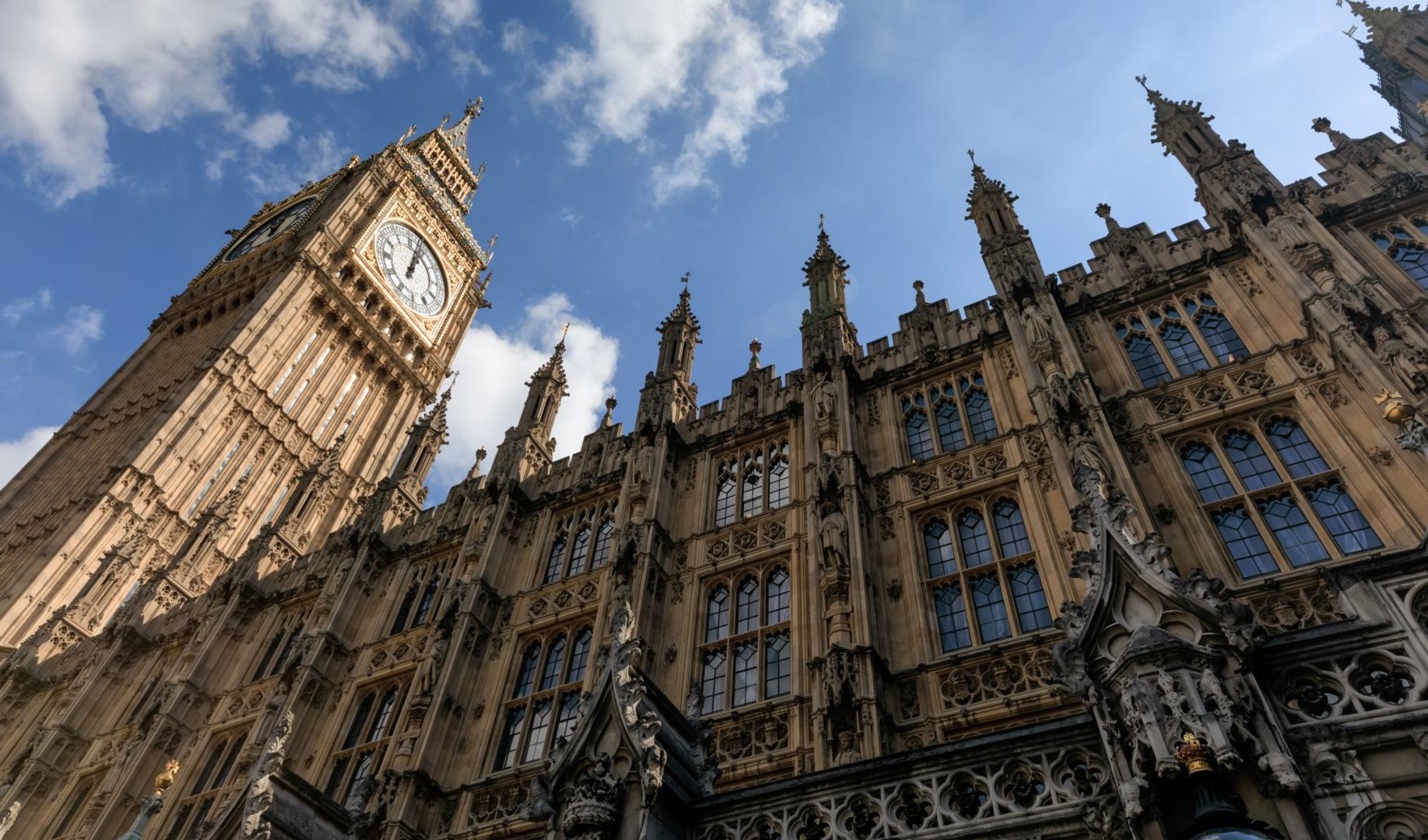
UK House of Lords committee calls on Bank of England to reconsider proposed stablecoin restrictions
The Bank of England proposed limits of 20,000 pounds per coin for individuals and 10 million pounds for businesses....

Crypto PACs pour $3M into Maryland races as California voters head to polls
Crypto PACs backed by Coinbase and Ripple are spending millions in US elections to support crypto-friendly candidates and block anti-crypto lawmakers. Fairshake's affiliates deployed $3 million across California and New Jersey primaries, with larger Maryland spending planned. The industry aims to influence regulations like the CLARITY Act, testing its political influence ahead of major votes.