
Kalshi’s turn: Prediction markets platform sues Minnesota over law going into effect in August

Following the CFTC's suit, Kalshi has sued the state of Minnesota after Governor Tim Walz signed a law blocking prediction markets....
Key takeaways
- 1Kalshi prediction markets platform sued Minnesota after Governor Tim Walz signed law blocking prediction markets effective August.
- 2This lawsuit follows CFTC's separate legal action against Kalshi over regulatory compliance issues.
- 3Minnesota's new law creates state-level barrier to prediction market operations despite federal regulatory debates.
Why it matters
State-level crypto restrictions like Minnesota's could fragment India's future regulatory landscape if similar protectionist approaches emerge locally. Kalshi's legal challenges will set precedent for whether platforms can operate across jurisdictions with conflicting rules.
Explore how Regulation is shaping crypto markets — aggregated stories, leading coins, and weekly momentum.
Explore narrativeRelated stories
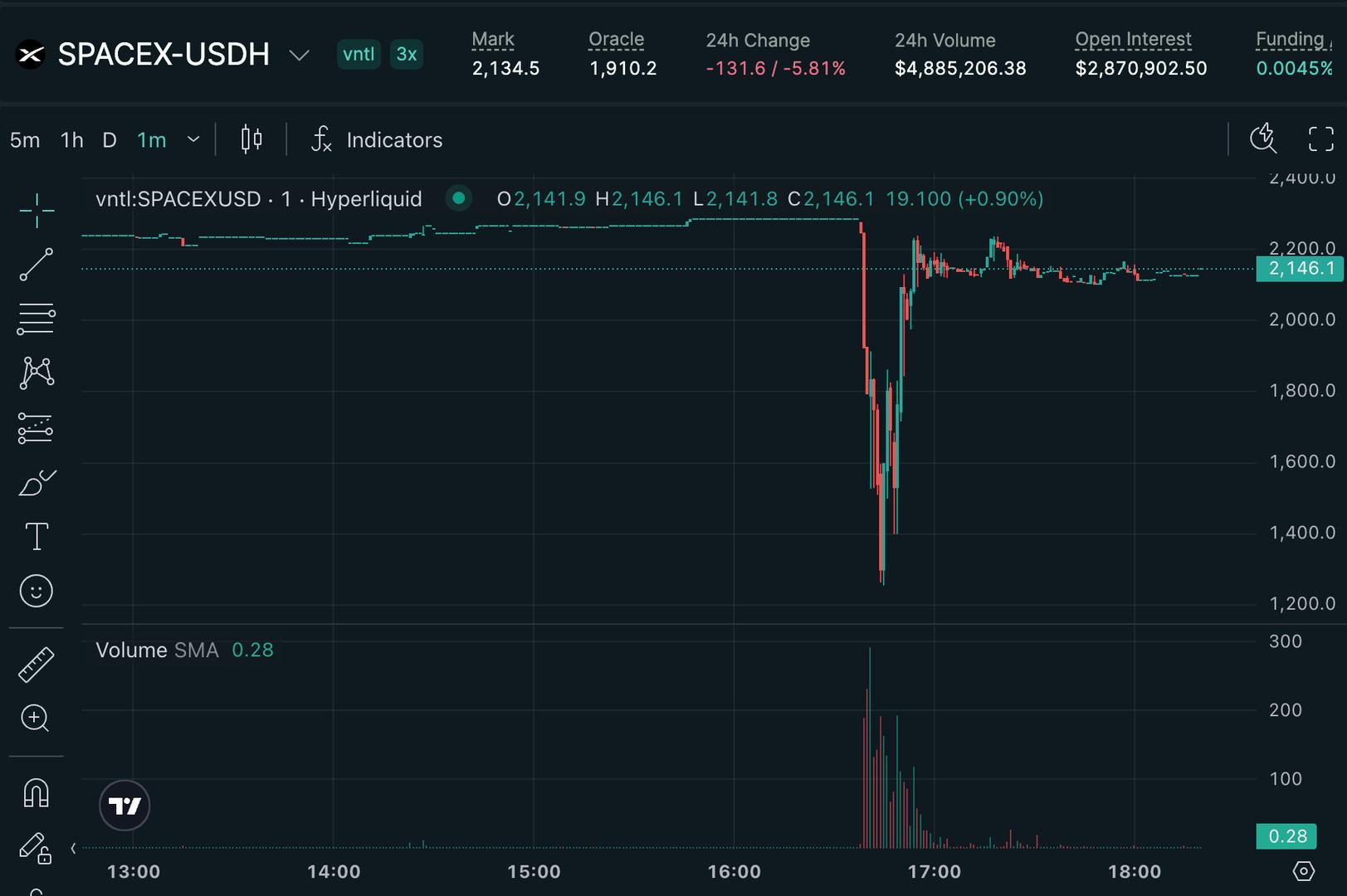
Hyperliquid's pre-IPO SpaceX contracts suffers 45% flash crash, liquidating $1.5 million
Hyperliquid's synthetic SpaceX perpetual contract crashed 45% in 30 minutes, liquidating $1.51 million across 405 retail traders using high leverage. The thin market lacked sufficient liquidity to absorb a massive sell order, devastating small investors holding minimal margin positions. The contract trades without an official price benchmark ahead of SpaceX's anticipated June IPO, exposing traders to extreme volatility risks.

P2P.org launches real-time data stream for Sui and Hyperliquid
P2P.org, a blockchain infrastructure provider operating validators across 40+ proof-of-stake networks since 2018, today launched Syncro Data Stream, a real-time blockchain data stream for Sui and Hyperliquid....

UniCredit warns Europe may struggle to contain crypto-bank crisis under MiCA rules
UniCredit warns Europe's MiCA crypto regulations may create systemic vulnerabilities. EU deposit insurance capping at €100,000 cannot absorb stress from large stablecoin reserves like U.S. regulators did during 2023 banking crises. The regulation forces stablecoins closer to banks without equivalent crisis protections, creating a "double weakness" in European financial stability and potentially threatening market confidence in assets like USDC and USDT.