
Citadel buys Situational Awareness stock portfolio following 67% July crash

Ken Griffin's Citadel bought a discounted public stock portfolio from Leopold Aschenbrenner's hedge fund, Situational Awareness, after a severe AI market rout. The fund crashed 67% in July following sharp declines in tech holdings, forcing it to seek liquidity to meet lender margin calls. Although Situational retained $10 billion in assets, it previously held $1.11 billion in Bitcoin mining stocks, leaving crypto-linked equities exposed to the broader fallout.
Key takeaways
- 1Citadel acquired a discounted stock portfolio from hedge fund Situational Awareness after its 67% drop in July.
- 2Situational Awareness previously disclosed holding $1.11 billion across seven major Bitcoin mining stocks as of March 31.
- 3The fund managed to retain roughly $10 billion in private investments and remaining stock positions post-sale.
Coins in this story

Why it matters
This liquidation highlights high systemic risk for Bitcoin miners pivoting to AI computing. Forced sales of leveraged positions by major hedge funds can create severe volatility for publicly traded crypto mining equities and broader tech-adjacent digital assets.
Discussion
Related stories
Bitcoin daily volatility drops to seven month low as trading narrows
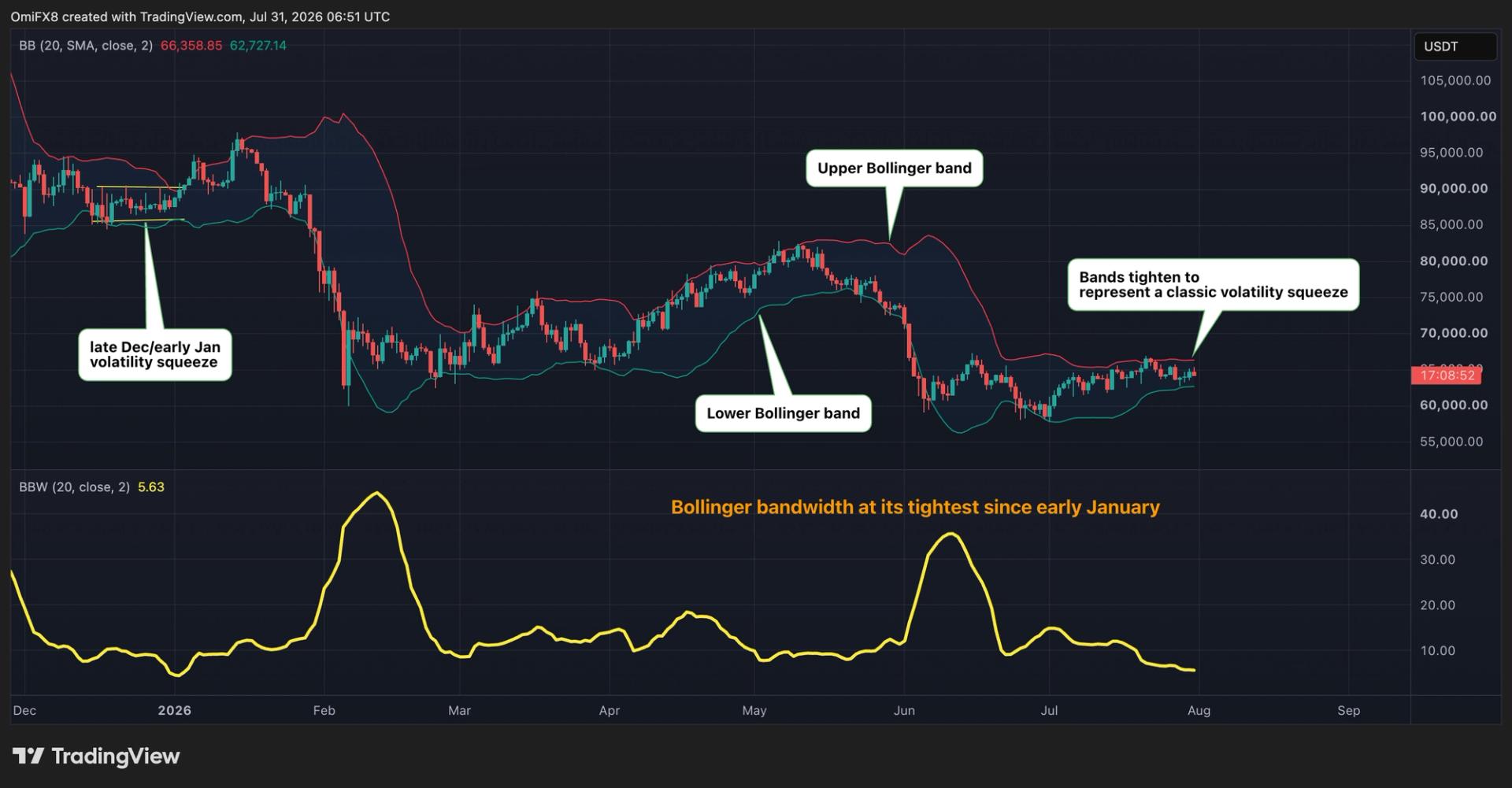
Bitcoin is trading in a tight $62,000 to $65,000 range as daily price swings drop to seven-month lows. Daily trading volume has fallen to $2.2 billion this month from $5.1 billion in January, according to K33 research. Bitcoin's Bollinger bandwidth indicator dropped to 5.66 points, matching its narrowest level since early 2026. Historically, such prolonged periods of compressed price action precede aggressive volatility explosions and sharp breakouts across global crypto spot markets.

Rectitude Holdings lets $32M Bitcoin strategy expire without buying crypto
Rectitude Holdings allowed a $32.625 million standby equity facility intended for Bitcoin purchases to expire without buying any crypto. The Singapore safety equipment firm signed the 45-day financing line on Aug. 25, but SEC filings reveal it never filed the required Form F-1 registration statement. Consequently, no cash was raised, no new shares were issued, and zero digital assets were acquired before the facility quietly terminated on Oct. 9, 2025.
US sanctions Iranian firms over bitcoin maritime insurance scheme
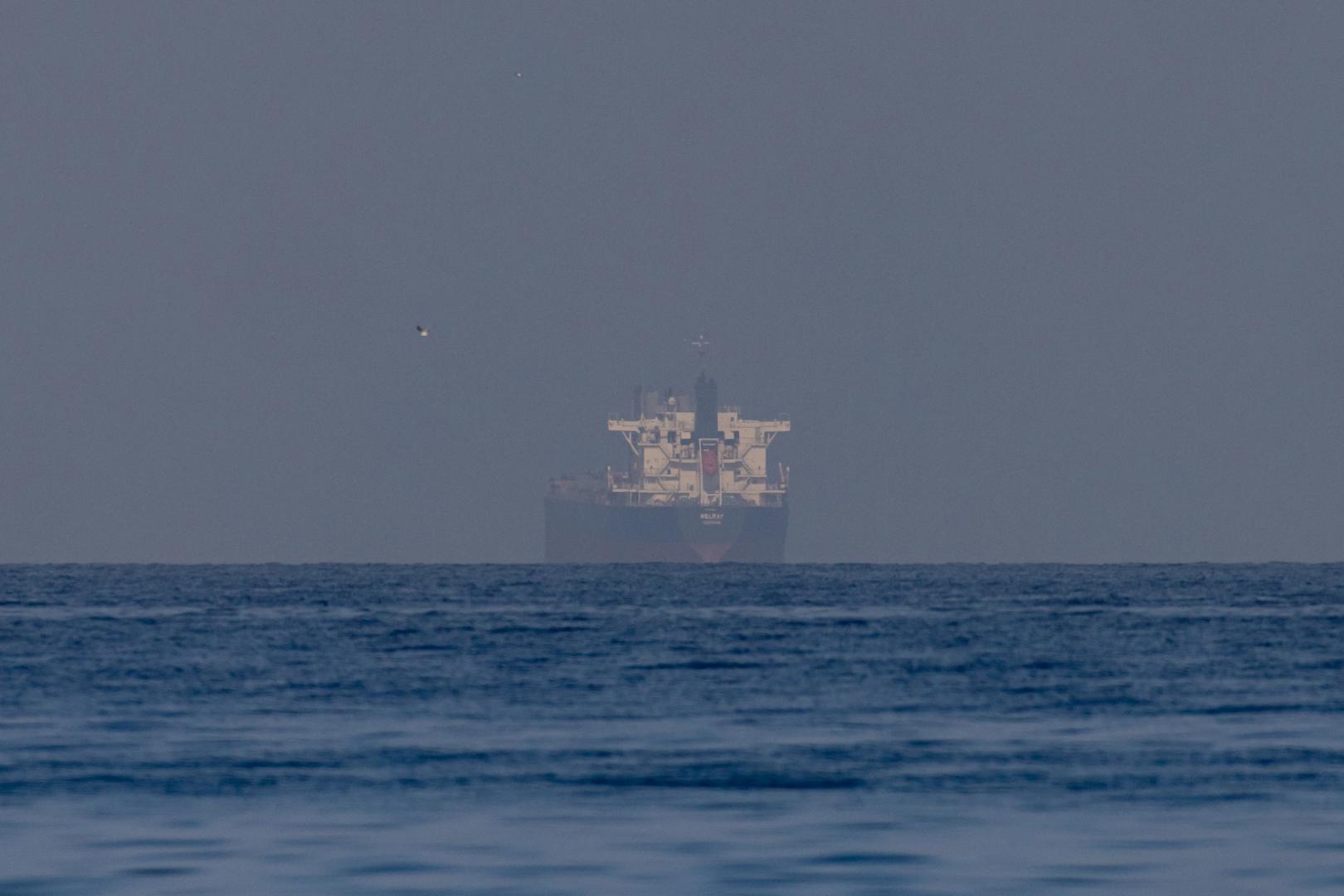
The U.S. Treasury sanctioned two Iranian entities, Persian Gulf Marine Insurance and HormuzSafe Marine Services, for running an extortion scheme. The platform accepted bitcoin and other digital assets to bypass sanctions, forcing commercial ships in the Strait of Hormuz to buy coverage linked to Iran's Revolutionary Guard. Iranian media claimed the initiative could generate $10 billion. Interacting with these entities now exposes global crypto users and entities to secondary U.S. sanctions.