

Convicted scammer’s “seized” crypto moves to unknown wallets while in prison as DOJ failed to secure funds
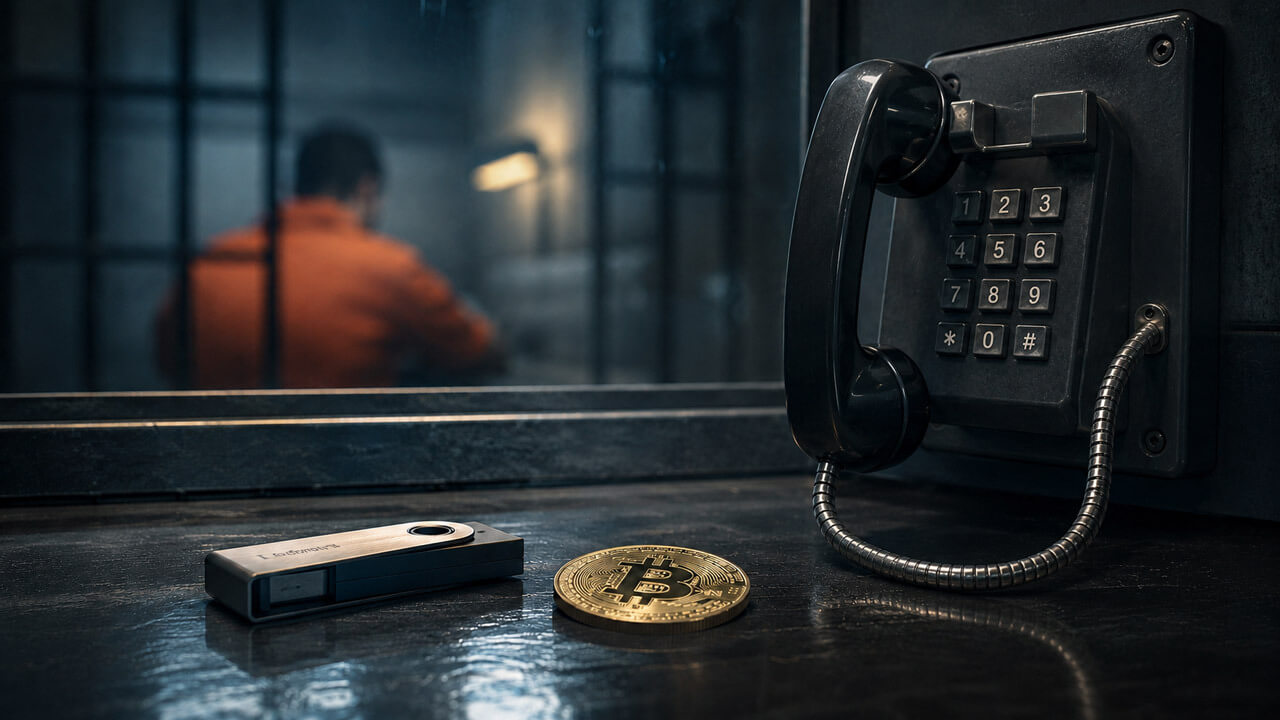
Imprisoned scammer Rossen Iossifov allegedly moved $290,000 in forfeited cryptocurrency through exchanges and mixing services in January 2024, exposing critical gaps in US government crypto asset seizure procedures. The DOJ obtained a forfeiture order but failed to secure private keys beforehand, allowing the transfer from prison. This highlights regulatory vulnerabilities in crypto enforcement that Indian investors monitoring regulatory trends should understand.
Key takeaways
- 1Imprisoned scammer Rossen Iossifov moved $290,000 in forfeited cryptocurrency through exchanges and mixing services in January 2024 before US government secured private keys.
- 2DOJ obtained a court forfeiture order but failed to transfer crypto to government-controlled wallets, creating a custody gap that enabled the transfer.
- 3Asset Forfeiture Policy Manual requires immediate transfer to agency wallets and cold storage, but enforcement gaps expose regulatory vulnerabilities in crypto seizure procedures.
Coins in this story

Why it matters
This case exposes critical weaknesses in US crypto law enforcement that Indian regulators monitoring global enforcement models should note—weak asset custody procedures undermine seizure effectiveness and may inform India's emerging crypto regulatory framework as it develops enforcement capabilities.
Discussion
Related stories
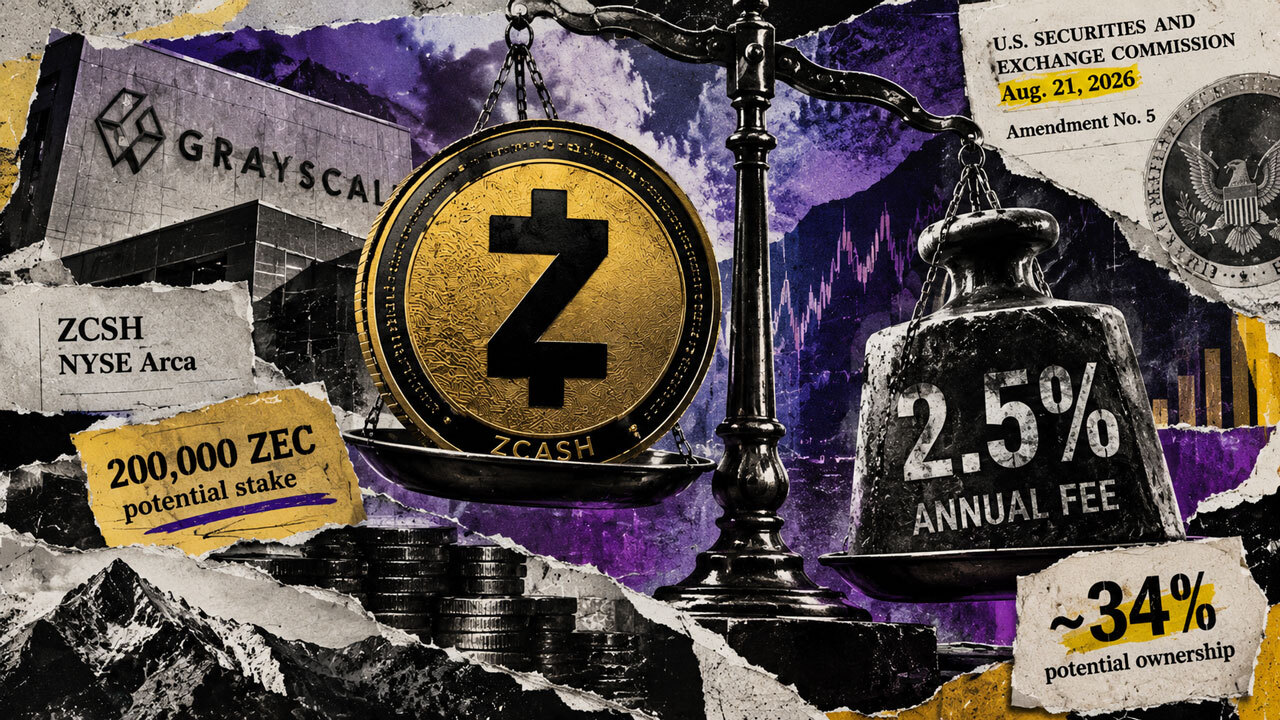
Grayscale’s Zcash ETF filing proposes a 2.5% fee and a potential 34% DCG stake
Under a June 30 snapshot, a nonbinding 200,000-ZEC contribution would give DCG International about 34% of the enlarged fund. The post Grayscale’s Zcash ETF filing proposes a 2.5% fee and a potential 34% DCG stake appeared first on CryptoSlate.
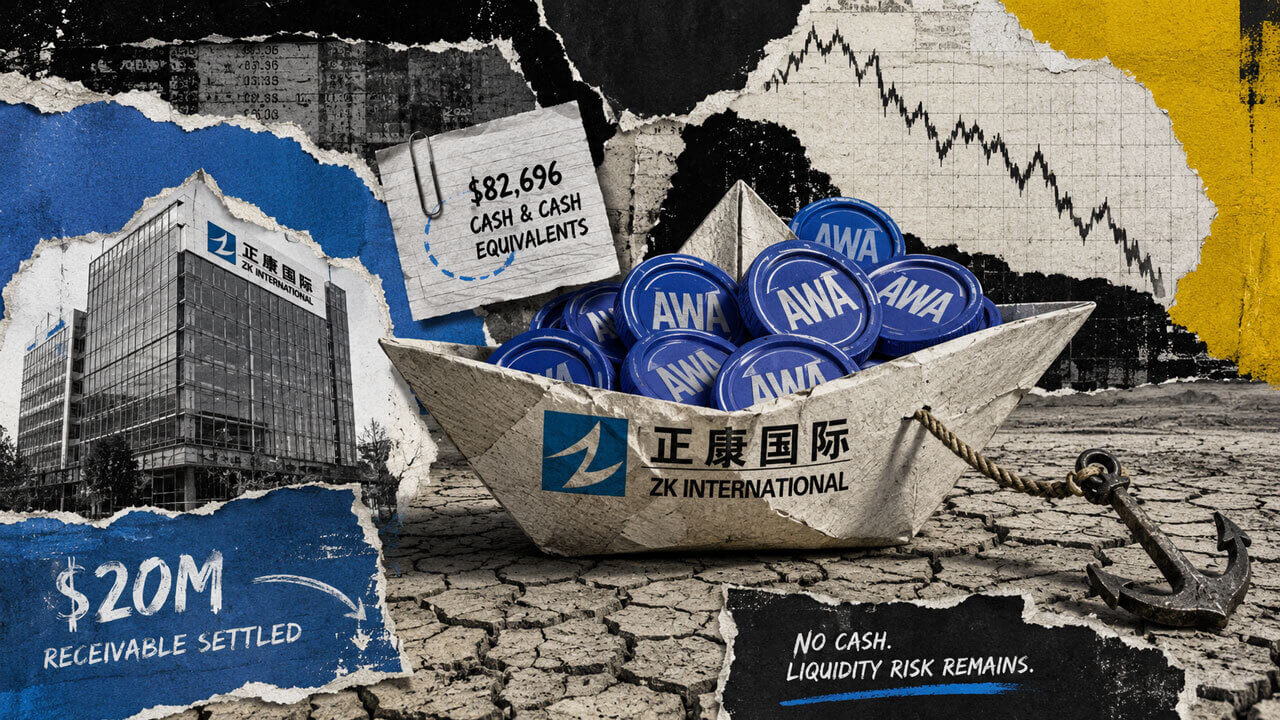
How a $20M crypto payout left a micro-cap firm with under $83K in usable cash reserves
The August 21 filing said 205,512.5 tokens remained unmonetized, with their receipt-date fair value still unresolved. The post How a $20M crypto payout left a micro-cap firm with under $83K in usable cash reserves appeared first on CryptoSlate.
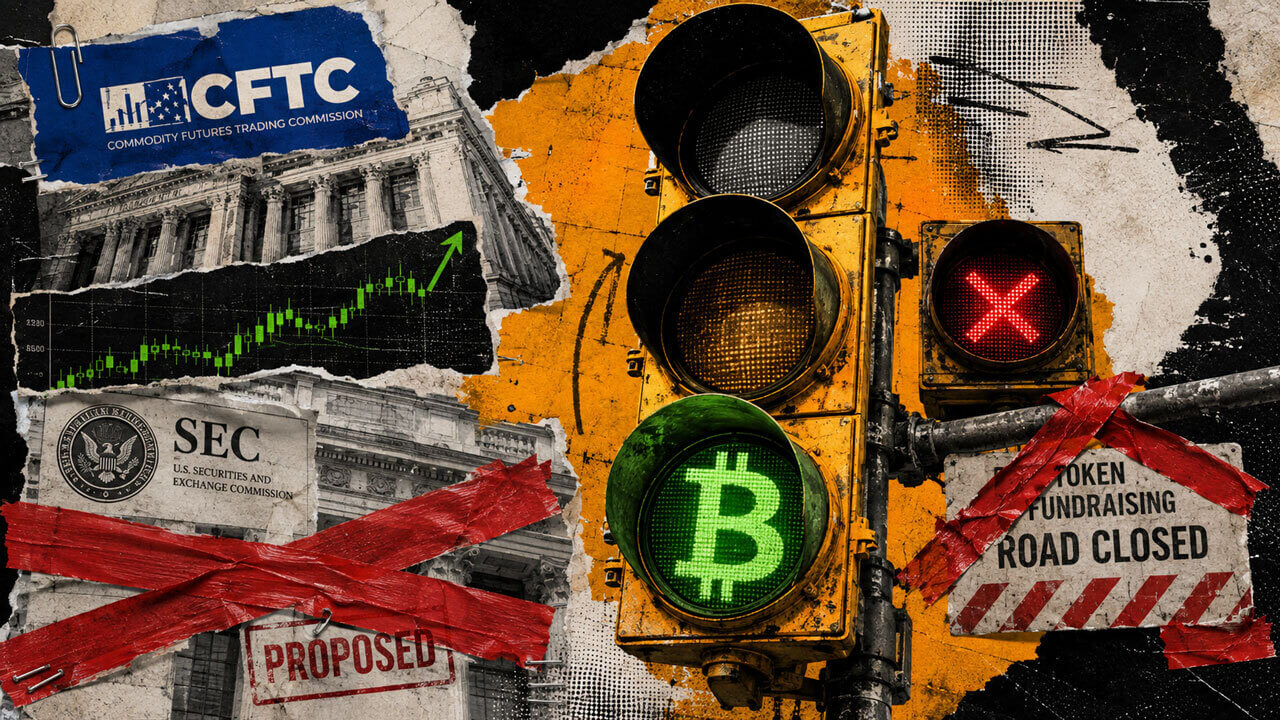
The US approved high-leverage Bitcoin trading while crypto founders remain legally blocked from raising funds
On May 29, the CFTC approved a Bitcoin perpetual contract for a regulated US exchange. Almost three months later, on Aug. 18, the SEC proposed a legal route through which crypto projects could someday raise money from the public under rules written for token networks. That's a pretty unusual order in which Washington…