

Crypto custody firm Copper is looking to sell the company for $500 million

Copper, a major crypto custody firm, is seeking a $500 million buyer with Cantor Fitzgerald managing the sale. The company's flagship ClearLoop settlement system, which handles over $50 billion monthly notional trading volume for institutional clients, is its primary asset. The move reflects renewed M&A activity in crypto, though an IPO route now appears less viable amid market conditions.
Key takeaways
- 1Copper seeks $500 million buyer with Cantor Fitzgerald managing sale; ClearLoop handles $50 billion monthly trading volume.
- 2Copper closed enterprise custody business in 2023 to focus on ClearLoop settlement system serving institutional clients.
- 3IPO route abandoned due to weak crypto market conditions; M&A activity remains strong with multiple major deals ongoing.
Coins in this story


Why it matters
Copper's sale signals institutional crypto infrastructure consolidation and validates settlement/custody solutions as critical infrastructure. For Indian retail investors, this reflects growing legitimacy of crypto custody and institutional adoption, affecting market maturity and regulatory perception globally.
Explore how AI Agents is shaping crypto markets — aggregated stories, leading coins, and weekly momentum.
Explore narrativeRelated stories

The 2036 Issue: Bitcoin Mining Is Dead, Long Live the Miners!
Bitcoin mining faces a critical 2036 reckoning as block subsidies halve toward zero. Hashprice hit all-time lows of $28.90/PH/day following Bitcoin's 21% crash in January 2026, forcing miners to decommission ASIC fleets for AI operations. Without explosive adoption or $272,000 Bitcoin prices, miners depend on transaction fees—a risky bet given minimal mempool activity and Layer 2 adoption failures.

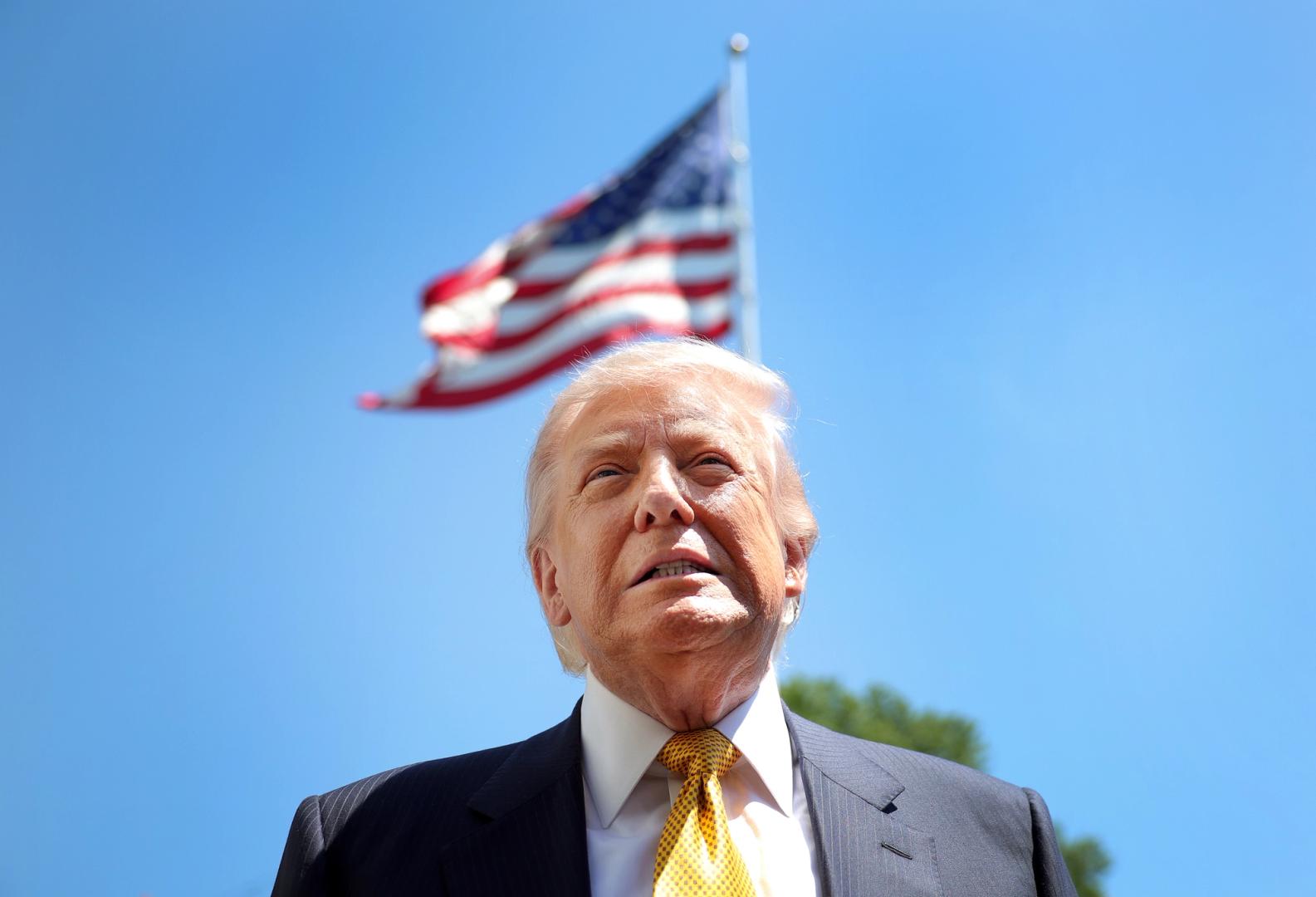
Why Trump's bitcoin ETF plans likely collapsed before getting off the ground
Trump Media scrapped its Truth Social bitcoin and ethereum ETF plans after withdrawing SEC filings, citing a crowded market with fees collapsing to 14 basis points. Analysts blame weak demand—the firm's existing ETFs attracted just $30 million—and fierce competition from major players like Morgan Stanley. The withdrawal signals challenges for new entrants in the saturated spot bitcoin ETF space.