

Crypto Long & Short: How the GENIUS Act repriced bitcoin's monetary premium

The GENIUS Act's 100% reserve stablecoin regulation shifted "digital dollar" demand from Bitcoin to regulated alternatives, repricing Bitcoin's monetary premium. Data shows Bitcoin's primary real-world use wasn't speculation but dollar access for emerging markets facing capital controls. Stablecoin issuance surged 45% post-Act while Bitcoin fell 43%, suggesting capital migrated to better dollar wrappers rather than leaving crypto entirely.
Key takeaways
- 1GENIUS Act's 100% reserve stablecoin regulation shifted digital dollar demand from Bitcoin to stablecoins; stablecoin market cap rose 45% to $306B while Bitcoin fell 43%.
- 2Bitcoin's primary real-world use was dollar access for emerging markets with capital controls, not speculation; holders in Nigeria, Turkey, Ethiopia, Vietnam earned 275% in bitcoin but with 68% volatility versus 18% for USD.
- 3Gold outperformed Bitcoin by nearly 100% since July 2025; Bitcoin's correlation with unprofitable tech stocks reached +0.64 in Q4 2025, suggesting market no longer treats it as monetary hedge.
Coins in this story


Why it matters
For Indian retail investors, this signals that regulatory clarity around stablecoins (likely coming to India) could redirect capital flows away from Bitcoin toward regulated alternatives, affecting Bitcoin's price and utility as an inflation hedge. The data suggests emerging market investors use crypto primarily for currency protection, a key dynamic relevant to India's capital control environment.
Explore how RWA is shaping crypto markets — aggregated stories, leading coins, and weekly momentum.
Explore narrativeRelated stories

Block kicks off Cash App’s phased stablecoin roll out to its nearly 60 million users
Block's Cash App begins phased rollout of USDC stablecoin payments to its 60 million users, with 25% already enabled and full access expected by week's end. The move signals CEO Jack Dorsey's shift from bitcoin-maximalism toward supporting customer demand for stablecoins across Solana, Ethereum, Polygon, and Arbitrum. Users face $2,000 daily spending limits and unavailability in New York.

Crypto IPOs could create massive $1 trillion market amid tokenization wave, Jefferies says
Jefferies projects crypto and blockchain IPOs could create a $1 trillion public market within five years as institutional investors shift focus from bitcoin speculation to real-world infrastructure. Tokenization of money market funds, stablecoins, and settlement systems are driving adoption. Traditional financial firms increasingly partner with crypto providers for faster settlement and lower-cost payments. Regulatory clarity could accelerate mainstream integration further.
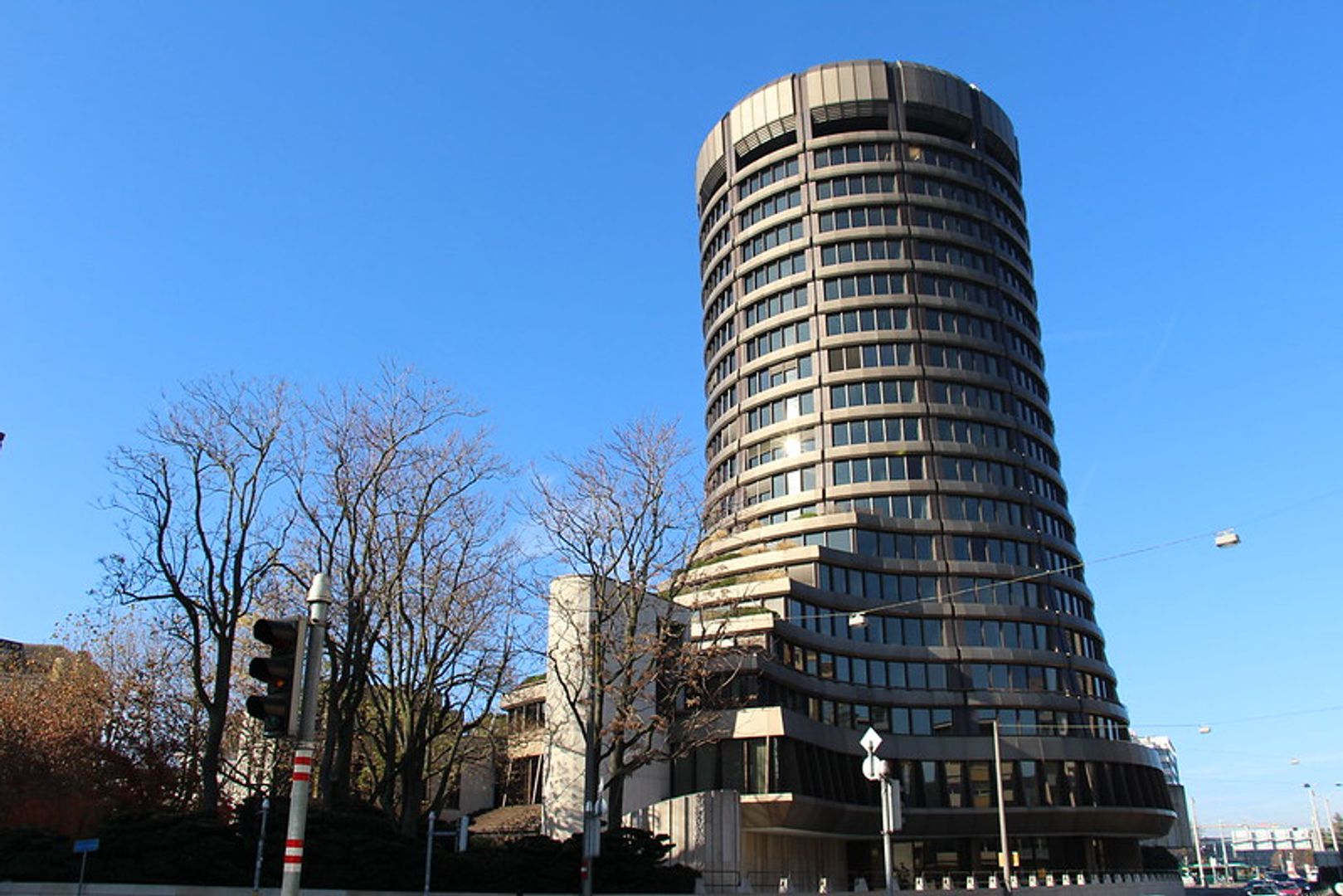
BIS project finds tokenization could make cross-border payments faster, safer
Project Agorá, backed by the Bank for International Settlements and major central banks including the Federal Reserve, found that tokenizing central bank reserves and commercial bank deposits could accelerate cross-border payments and reduce settlement risks. The initiative moves from simulations to real-value testing, with participants including the Fed, Bank of England, and Bank of Japan exploring blockchain-based atomic settlement.