

TeraWulf’s $21 million HPC revenue surpasses bitcoin mining for first time in Q1

Former pure-play bitcoin miners like TeraWulf are starting to report AI and HPC revenue overtaking their mining segments....
Key takeaways
- 1TeraWulf's HPC revenue hit $21 million in Q1 2025, surpassing bitcoin mining revenue of $13 million for the first time.
- 2The company operates 60 MW of HPC capacity at Lake Mariner facility with plans to add 250-500 MW of contracted capacity annually.
- 3TeraWulf reported $427.6 million net loss in Q1, nearly half from non-cash warrant revaluations, amid infrastructure transition costs.
Coins in this story

Why it matters
Major crypto miners pivoting to AI/HPC infrastructure signals industry-wide shift toward stable, long-term data center contracts over volatile bitcoin mining. For Indian retail investors, this reflects global crypto sector transformation toward enterprise AI workloads, affecting future valuations and operational viability of crypto-linked equities.
Explore how Regulation is shaping crypto markets — aggregated stories, leading coins, and weekly momentum.
Explore narrativeRelated stories


Kraken parent goes for the OCC charter in bid to become a federal crypto bank
Payward, Kraken's parent company, applied for an OCC national trust company charter to establish a federally regulated crypto custody entity. The move complements its existing Wyoming bank charter and Fed master account access, strengthening institutional appeal. This reflects crypto firms' increasing pursuit of traditional banking licenses under favorable regulatory conditions, positioning Kraken for potential future IPO.
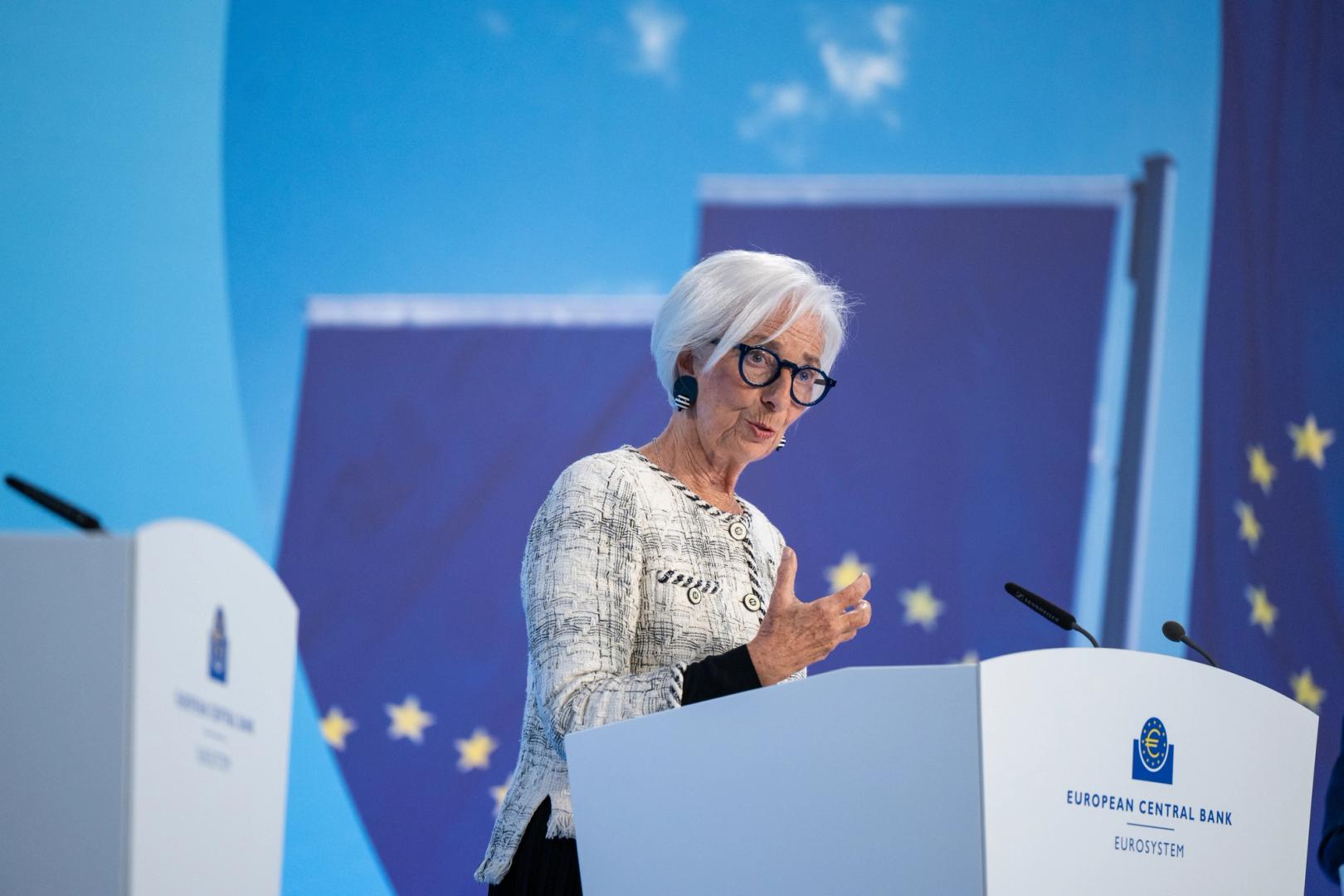
ECB's Lagarde’s digital euro warning: Why Europe shouldn’t just copy the U.S. stablecoin model
ECB President Christine Lagarde warned Europe against copying the U.S. stablecoin model, citing financial stability risks from Tether and USDC's $310 billion market dominance. She advocates for a central bank digital currency instead, with the ECB targeting a digital euro by 2029. This matters as Europe faces "digital dollarization" risks amid competing private sector initiatives.