
JPMorgan, Mastercard and Ripple complete cross-border XRP tokenized Treasury settlement
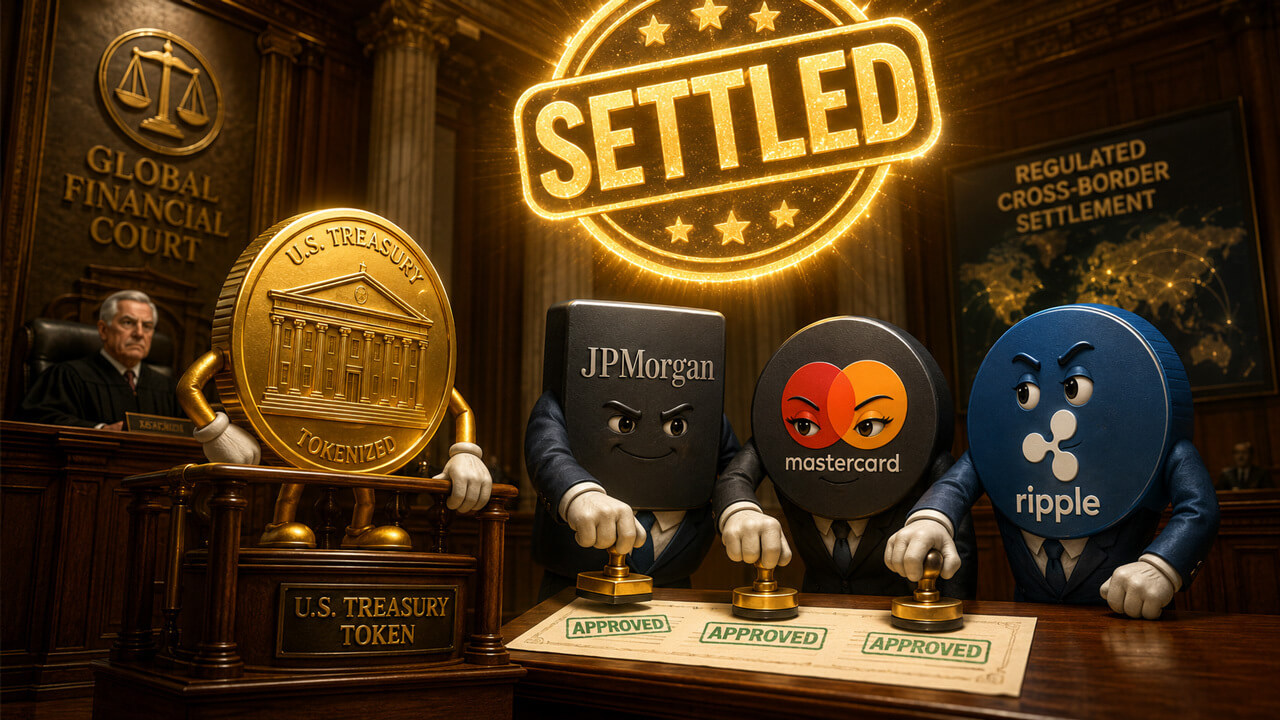
JPMorgan, Mastercard, and Ripple completed a cross-border settlement using XRP-tokenized US Treasury bonds, demonstrating practical blockchain adoption in traditional finance. The test validates Ripple's technology for institutional payments and could accelerate corporate crypto integration globally. This strengthens XRP's use case beyond speculation, though regulatory clarity remains crucial for broader adoption in India's emerging digital asset ecosystem.
Key takeaways
- 1JPMorgan, Mastercard, and Ripple completed a cross-border settlement test using XRP-tokenized US Treasury bonds.
- 2The successful test demonstrates practical blockchain adoption for institutional payments and validates Ripple's technology.
- 3XRP's use case strengthens beyond speculation, though regulatory clarity remains crucial for broader global adoption.
Coins in this story

Why it matters
This milestone signals traditional finance's willingness to integrate blockchain for settlements, potentially accelerating crypto adoption globally. For Indian retail investors, it validates XRP's institutional utility and highlights the importance of regulatory frameworks for digital assets to unlock mainstream integration in India's emerging ecosystem.
Explore how RWA is shaping crypto markets — aggregated stories, leading coins, and weekly momentum.
Explore narrativeRelated stories


The CLARITY Act will help reshore the crypto industry in the US — Attorney
The CLARITY Act could reverse US crypto market erosion, with Attorney Bill Hughes noting that 94% of trading happens on foreign exchanges like Binance while Coinbase captures just 6.1%. Clear regulatory rules would encourage domestic development and reclaim the $2.4 trillion USD on-ramp advantage. Senate markup scheduled for May 14; passage deadline looms before August recess ahead of midterm elections.
BlackRock deepens tokenization push with new onchain fund offerings
BlackRock filed to launch tokenized Treasury and money-market funds, expanding its onchain asset offerings. The asset manager proposed a $3 million minimum investment stablecoin reserve and an Ethereum-based share class for its $7 billion liquidity fund. The moves signal institutional confidence as tokenized real-world assets exceed $30 billion, growing 200% annually, reshaping global finance infrastructure.