

Bitcoin falls below $63,000 as markets give Hormuz traffic just 3% chance to normalize by August

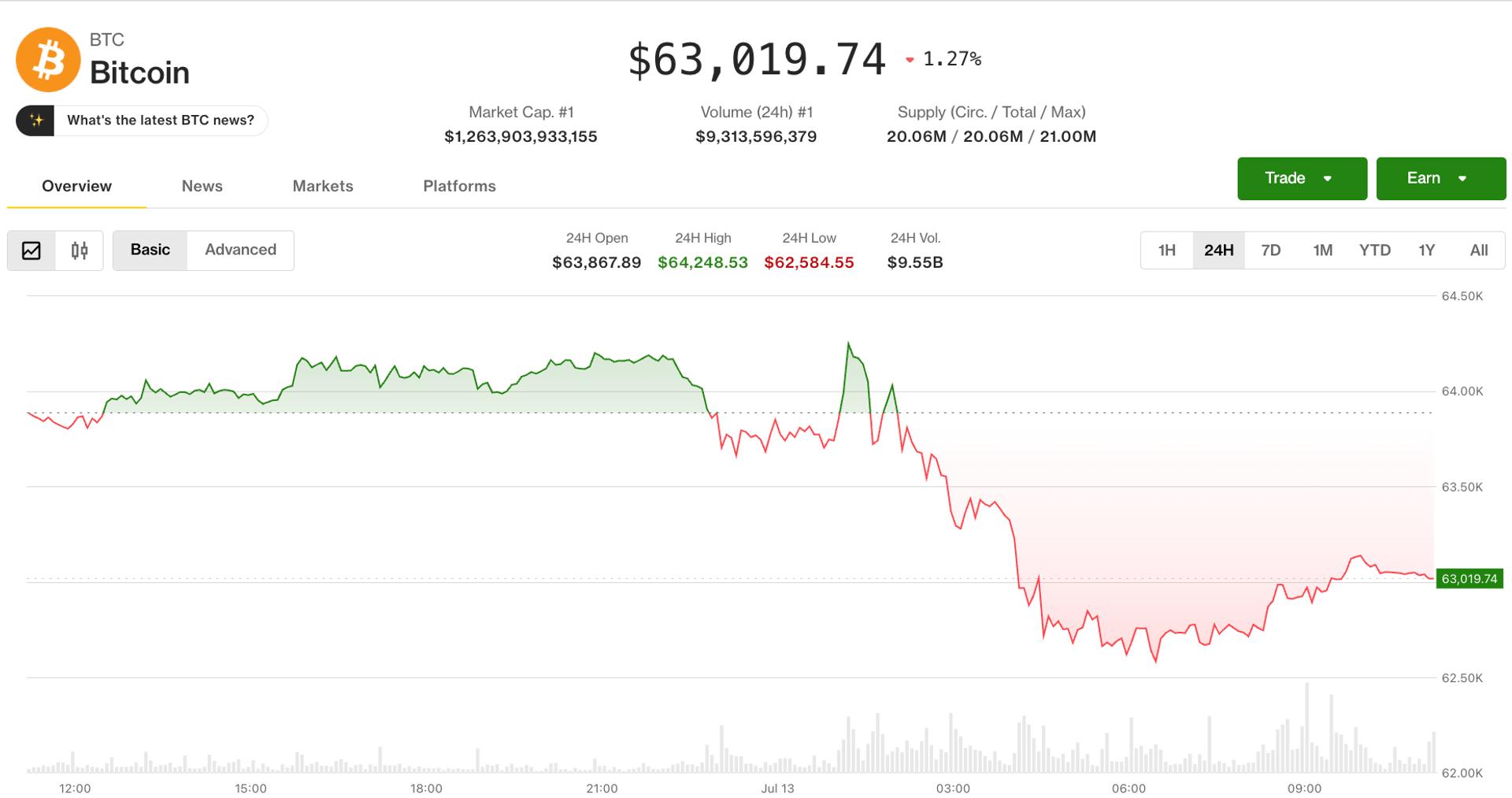
Bitcoin slipped below $63,000 as renewed fighting between the United States and Iran pushed oil prices higher, drove bond yields up, and revived concern that an extended disruption in the Strait of Hormuz could keep inflation elevated. Data from CryptoSlate shows the largest cryptocurrency traded near $62,940, down about 1.4% over 24 hours. Other leading […]...
Key takeaways
- 1Bitcoin fell below $63,000, down 1.4% in 24 hours, amid U.S.-Iran tensions disrupting Strait of Hormuz shipping.
- 2Polymarket odds show only 3% probability of Hormuz traffic normalizing by July 31, signaling prolonged supply concerns.
- 3Oil approached $80/barrel and bond yields rose, triggering $252.9 million in cryptocurrency liquidations as risk assets sold off.
Coins in this story




Why it matters
Geopolitical disruptions in the Strait of Hormuz threaten global oil supply and inflation expectations, which directly impact RBI monetary policy decisions and rupee strength—critical for Indian crypto investors' returns. Bitcoin's correlation with macro risk assets means elevated geopolitical premiums could push prices lower despite traditional safe-haven narratives.
Related stories

Bitcoin holds near $63,800 as war-driven selloff hits everything but crypto
Gold, oil, stocks and bonds all moved sharply on the fourth round of U.S. strikes on Iran, but bitcoin is little-changed....
Morning Minute: BTC and ETH ETFs Flip Green After Lengthy Outflow Stretch
U.S. spot Bitcoin ETFs closed their first positive week since May, but a big week ahead will likely determine crypto's near-term fate....
Profit-taking, MidEast hostilities drag crypto lower after bullish week
Bitcoin fell 1% to $63,100 as Middle East tensions between Iran and the U.S. triggered profit-taking across risk assets. LIT slumped 8% after rallying 200% in two months. South Korea's Kospi dropped 9.2%, while $253 million in crypto leveraged positions liquidated. Derivatives positioning remained stable, suggesting measured market confidence despite geopolitical headwinds affecting Indian crypto investors' portfolios.