
A bipartisan bridge to the future: Why the Senate must finish the job on digital Assets
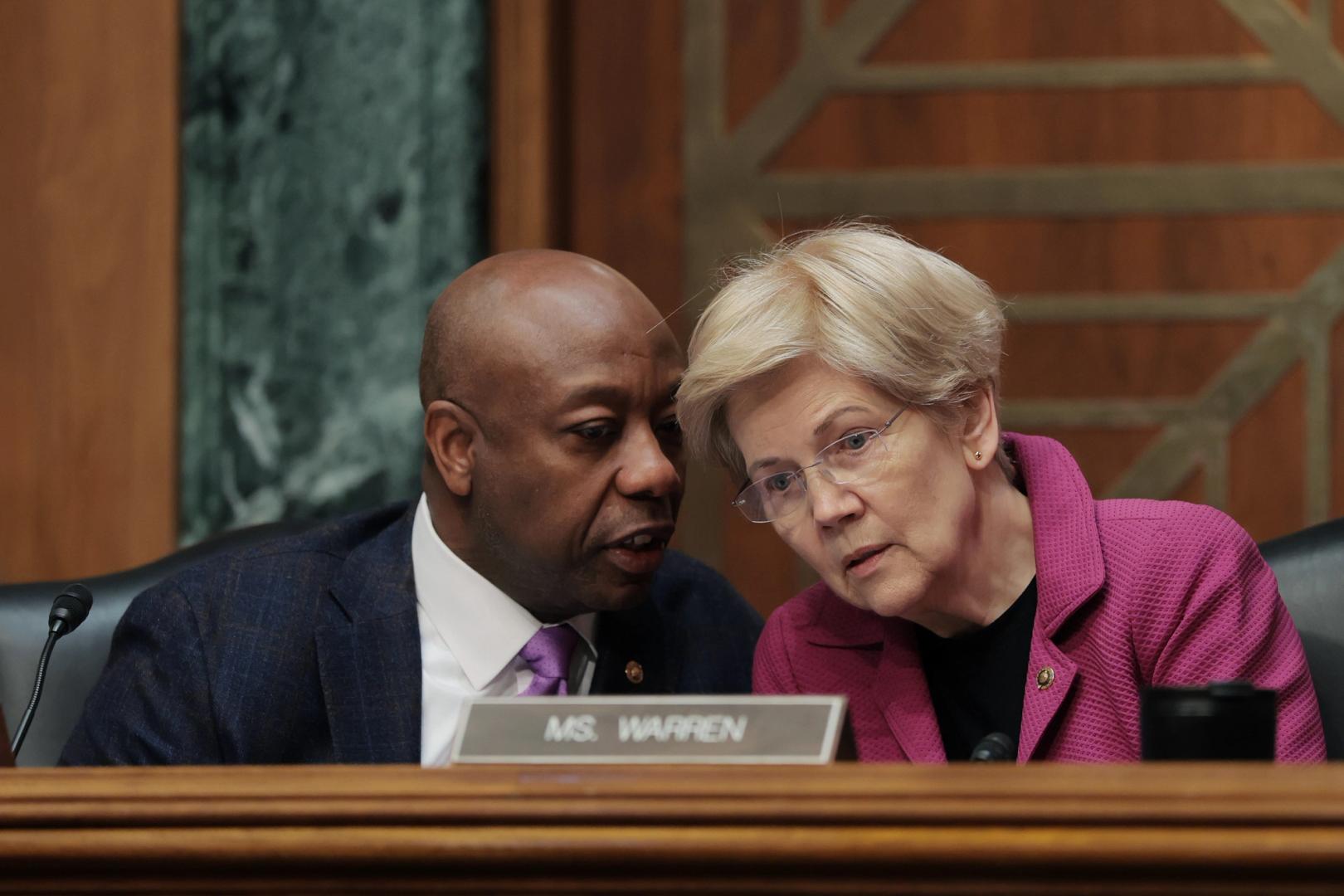
The Senate Banking Committee advanced the Digital Asset Market Clarity Act with bipartisan support, marking significant momentum for U.S. crypto regulation. The 15-9 markup vote reflects growing recognition that digital asset policy needs federal oversight. Nearly 68 million Americans own crypto, yet 88% of global exchange activity occurs offshore. Congress must pass comprehensive legislation to establish market structure and protect consumers while maintaining American competitiveness.
Key takeaways
- 1Senate Banking Committee advanced Digital Asset Market Clarity Act with 15-9 bipartisan vote in May 2026.
- 2Nearly 68 million Americans own crypto; 88% of global exchange activity occurs on foreign platforms.
- 383% of American crypto holders support stronger regulation to protect consumers and establish federal oversight.
Coins in this story

Why it matters
India's retail crypto investors should monitor U.S. regulatory progress as it sets global standards and influences capital flows. Clearer U.S. frameworks could impact international exchange operations and investor protection standards that Indian platforms may need to adopt.
Explore how RWA is shaping crypto markets — aggregated stories, leading coins, and weekly momentum.
Explore narrativeRelated stories
Mastercard Secures New York BitLicense to Advance Digital Asset Strategy
Bitcoin Magazine Mastercard Secures New York BitLicense to Advance Digital Asset Strategy Mastercard has secured a BitLicense from the New York State Department of Financial Services. This post Mastercard Secures New York BitLicense to Advance Digital Asset Strategy first appeared on Bitcoin Magazine and is written by Micah Zimmerman....

Banca Sella gets MiCA clearance for crypto services in Italy
The bank plans to launch digital asset custody, transfer and receipt services in 2026 for selected customer categories....
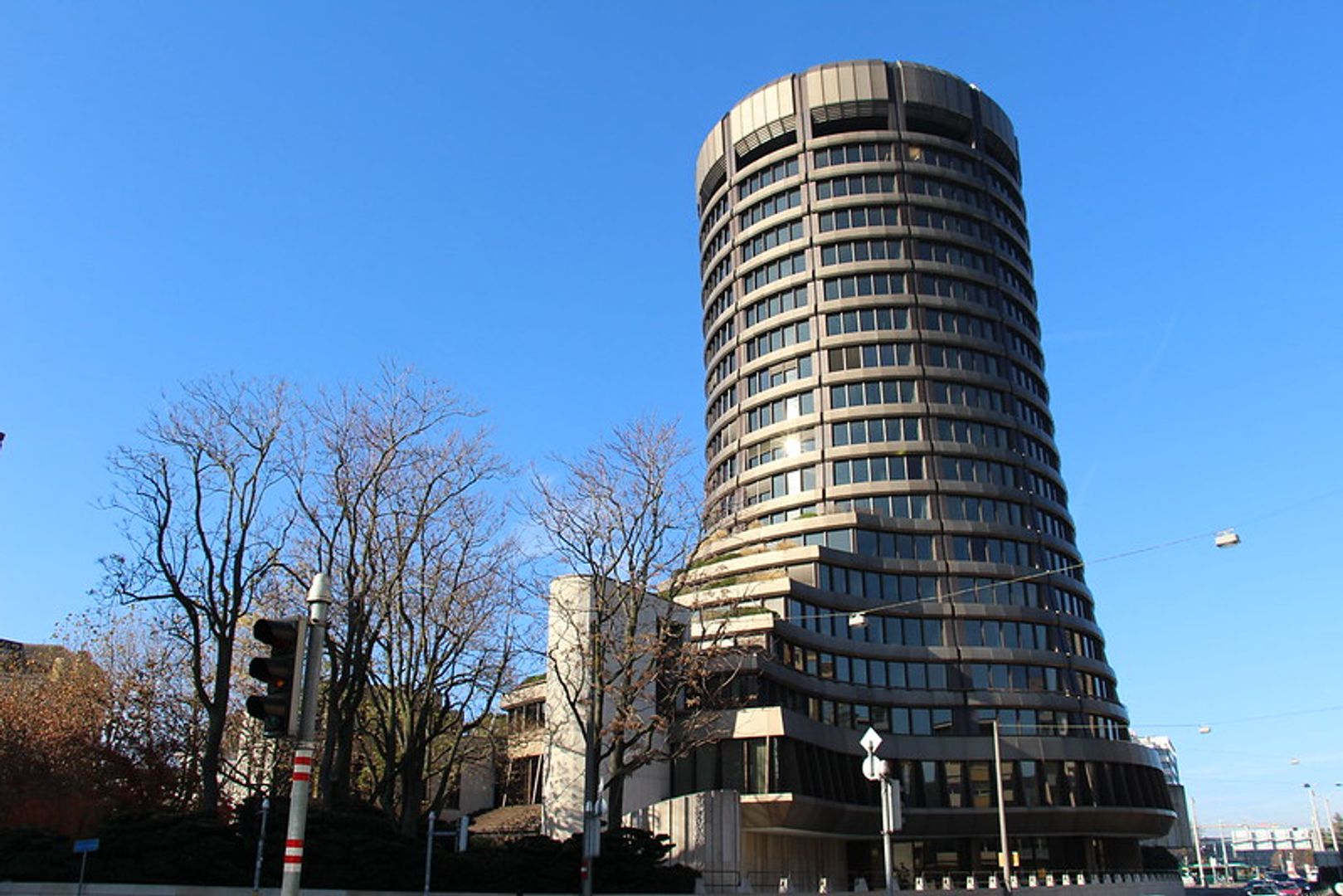
BIS project finds tokenization could make cross-border payments faster, safer
Project Agorá, backed by the Bank for International Settlements and major central banks including the Federal Reserve, found that tokenizing central bank reserves and commercial bank deposits could accelerate cross-border payments and reduce settlement risks. The initiative moves from simulations to real-value testing, with participants including the Fed, Bank of England, and Bank of Japan exploring blockchain-based atomic settlement.