

Prediction markets firms take heat in Senate Commerce hearing scrutinizing surge
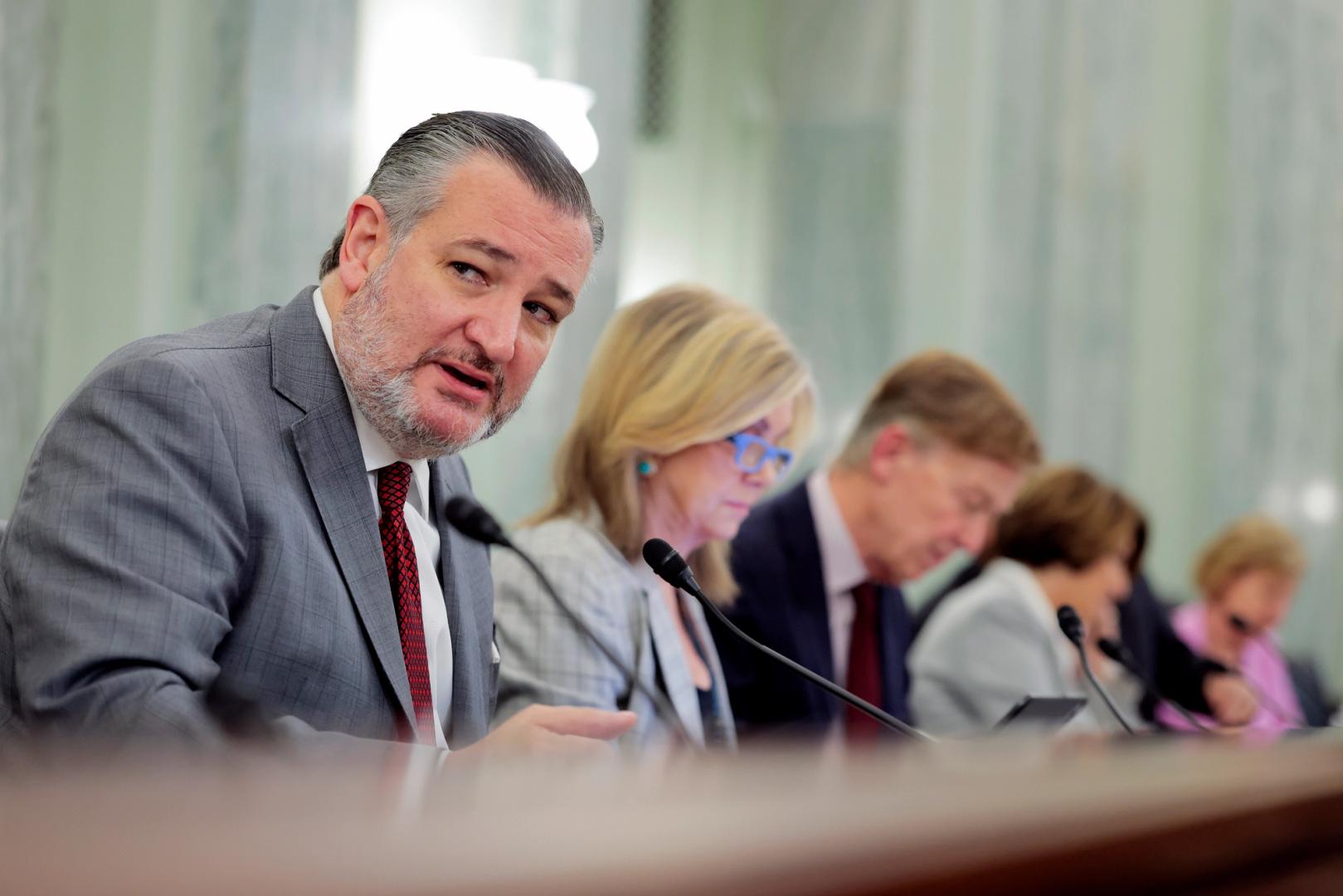
Sports betting on firms such as Kalshi was the focus of questions over advertising to children, cheating from athletes and undermining regulated gaming....
Key takeaways
- 1Senate Commerce Committee held hearing criticizing prediction markets firms like Kalshi over athlete cheating, youth advertising, and undermining state-regulated gaming.
- 2CFTC filed lawsuit against Minnesota and similar suits against Arizona, Connecticut, Illinois, New York to defend federal authority over prediction markets.
- 3Prediction markets platforms claim average user age is 33 with $2 million commitment to problem gambling support, but lawmakers raised concerns about unregulated social media marketing.
Coins in this story

Why it matters
India's growing crypto and sports betting sectors face similar regulatory scrutiny; this U.S. hearing signals potential stricter oversight of unregulated prediction platforms globally, affecting Indian retail investors' access to international betting platforms and influencing domestic policy decisions on crypto derivatives trading.
Explore how Regulation is shaping crypto markets — aggregated stories, leading coins, and weekly momentum.
Explore narrativeRelated stories

Minnesota Law Opens Crypto Custody to Banks, Credit Unions — One Credit Union Already Has a Head Start
Minnesota enacted legislation allowing state-chartered banks and credit unions to offer cryptocurrency custody services, effective August 1, 2026. The law establishes regulatory frameworks for digital asset safekeeping and requires institutions to implement cybersecurity protocols and file advance notices. St. Cloud Financial Credit Union already launched its custody vault in March, holding approximately 13.5 Bitcoin for members, positioning community institutions competitively alongside traditional finance.

Why Trump's bitcoin ETF plans likely collapsed before getting off the ground
Trump Media scrapped its Truth Social bitcoin and ethereum ETF plans after withdrawing SEC filings, citing a crowded market with fees collapsing to 14 basis points. Analysts blame weak demand—the firm's existing ETFs attracted just $30 million—and fierce competition from major players like Morgan Stanley. The withdrawal signals challenges for new entrants in the saturated spot bitcoin ETF space.