

Michael Saylor says Strategy would buy ’10 to 20′ bitcoin for every one it sells: report
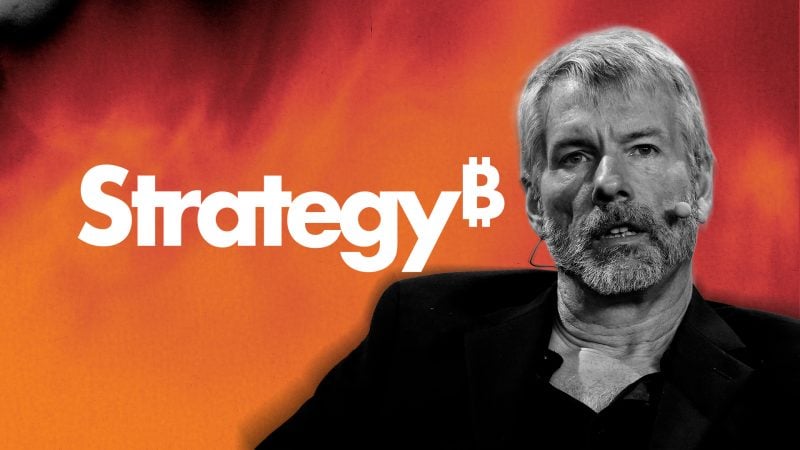
During Strategy's earnings call last week, Saylor said the firm will consider tapping its bitcoin holdings to fund STRC dividends....
Key takeaways
- 1MicroStrategy would buy 10-20 BTC for every 1 BTC it sells to fund dividends.
- 2Saylor confirmed the firm may tap bitcoin holdings to finance STRC shareholder dividends.
- 3The strategy prioritizes accumulating bitcoin over selling despite near-term dividend funding needs.
Coins in this story

Why it matters
This reveals MicroStrategy's aggressive bitcoin accumulation stance despite dividend pressures, signaling institutional confidence in BTC's long-term value—relevant for Indian investors tracking major corporate bitcoin plays and crypto market sentiment.
Related stories

Bitcoin mining pools with 75% of BTC hashrate join open standard for block construction
Seven major Bitcoin mining pools controlling 75% of global hashrate—Foundry, AntPool, F2Pool, SpiderPool, MARA Pool, Block Inc, and DMND—have joined the Stratum V2 working group. The open-source protocol shifts block construction decisions from pool operators to individual miners, reducing centralization risks. This marks Bitcoin's biggest mining decentralization move in years amid tight operator economics and rising network difficulty.

SUI spikes 50% amid staking moves, zero-fee stablecoins, privacy push
Adeniyi Abiodun, co-founder of Mysten Labs, announced at an event in Miami plans for zero-fee stablecoin transfers on Sui and reiterated the ambition to add private transactions....

Privacy advocates slam reCAPTCHA update that they say locks out de-Googled phones
Google's updated reCAPTCHA system now requires Google Play Services or Apple equivalents to verify users, effectively locking out millions using privacy-focused de-Googled Android phones like GrapheneOS. Privacy advocates and Bitcoin security researcher Jameson Lopp criticize the move as anti-competitive, treating privacy users as suspicious. This echoes Google's failed 2023 Web Environment Integrity proposal, raising concerns about tech monopolies controlling web access globally.