
Mastercard Secures New York BitLicense in Push for Stablecoins, Tokenized Deposits
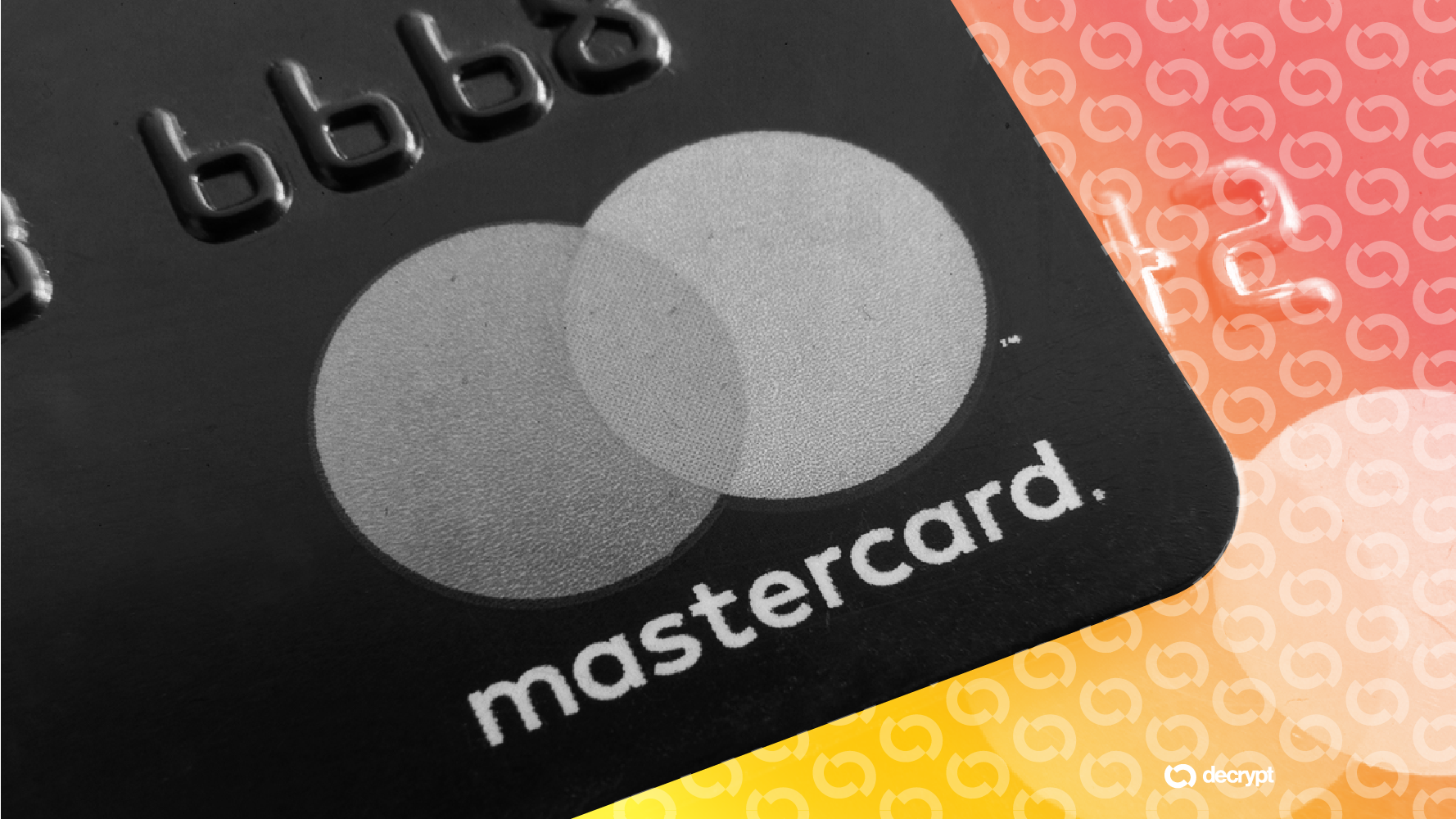
Mastercard obtained New York's BitLicense, enabling it to offer stablecoins and tokenized deposit products. This regulatory milestone strengthens institutional crypto adoption in the U.S., positioning Mastercard as a major player in digital assets. The approval signals growing mainstream acceptance of blockchain-based financial services, though Indian investors should monitor how RBI regulations evolve regarding stablecoins domestically.
Key takeaways
- 1Mastercard obtained New York's BitLicense, enabling stablecoin and tokenized deposit offerings.
- 2The approval signals mainstream institutional adoption of blockchain-based financial services in the U.S.
- 3Indian investors should monitor RBI's evolving stablecoin regulations as global giants enter digital assets.
Coins in this story


Why it matters
Mastercard's BitLicense approval strengthens institutional crypto legitimacy globally and may influence India's regulatory framework for stablecoins and digital assets, directly impacting retail investors' access to blockchain financial products domestically.
Explore how RWA is shaping crypto markets — aggregated stories, leading coins, and weekly momentum.
Explore narrativeRelated stories

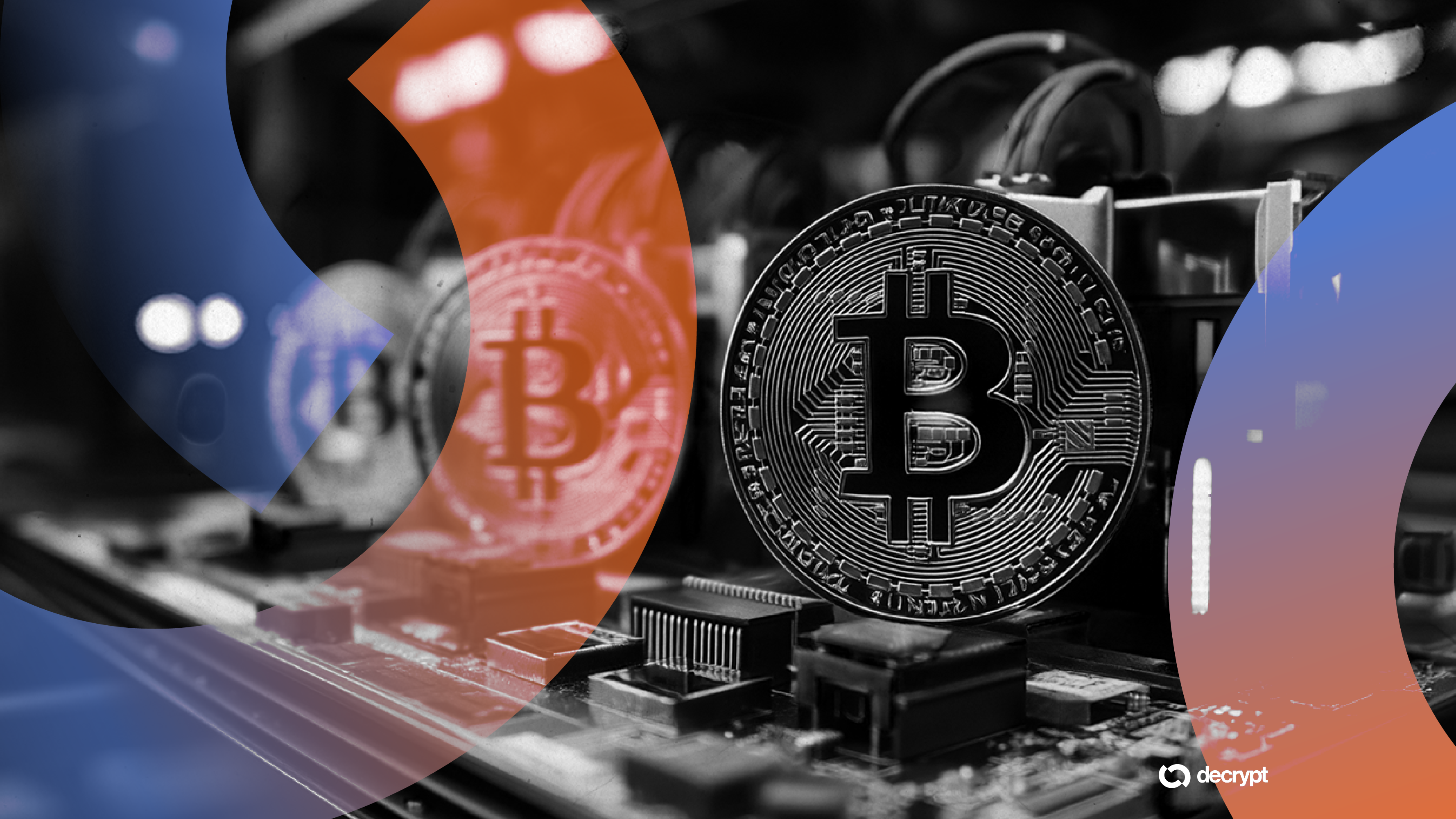
Kraken Now Lets You Earn Yield on Bitcoin Holdings via Lending Vaults
Kraken now enables Bitcoin holders to earn yield through lending vaults, allowing users to generate passive income on their BTC holdings. This move intensifies competition among crypto exchanges to attract retail investors seeking yield opportunities. The feature could appeal to Indian investors looking to optimize Bitcoin returns amid volatile market conditions, though regulatory clarity remains crucial for mainstream adoption in India.
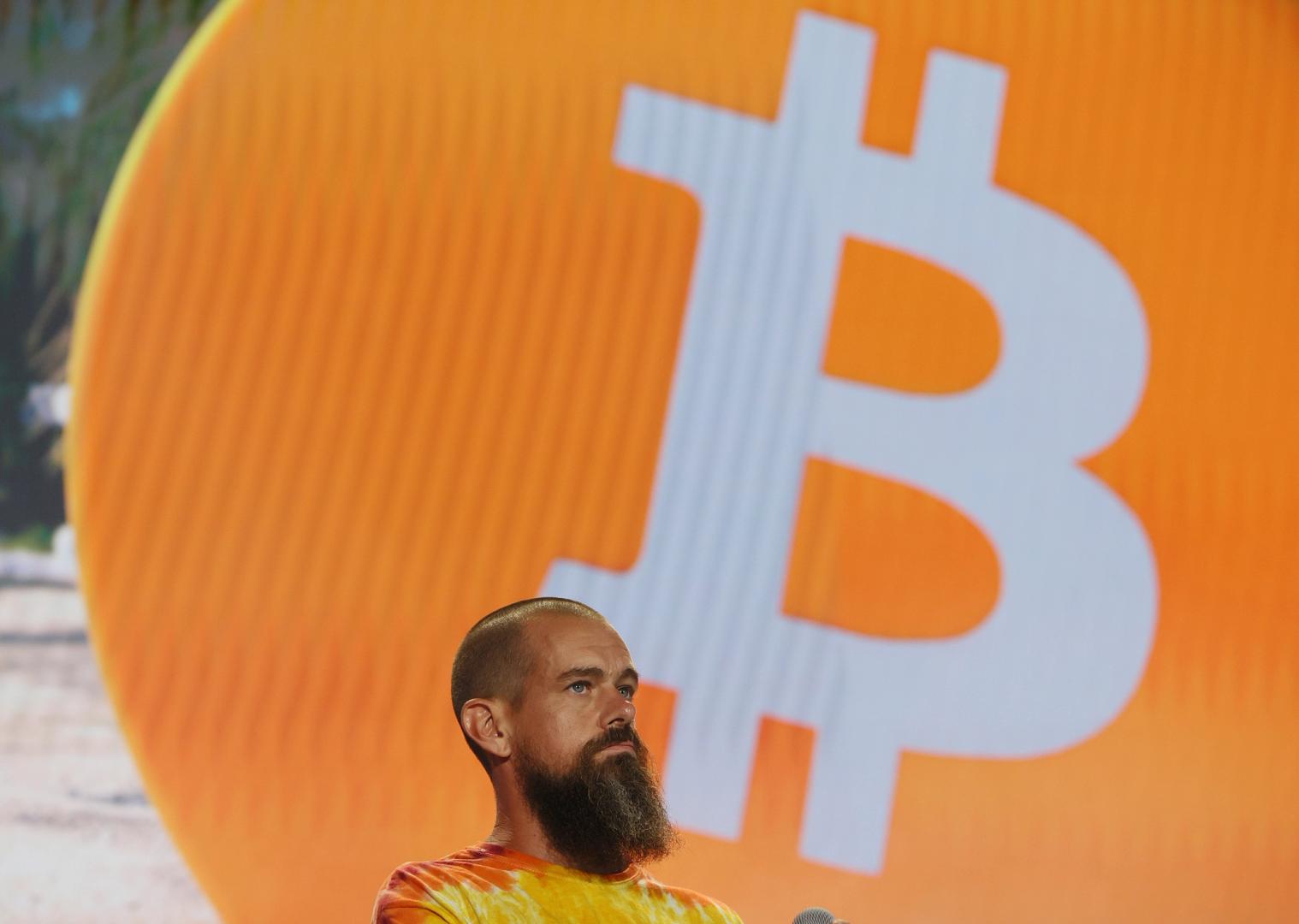
Block kicks off Cash App’s phased stablecoin roll out to its nearly 60 million users
Block's Cash App begins phased rollout of USDC stablecoin payments to its 60 million users, with 25% already enabled and full access expected by week's end. The move signals CEO Jack Dorsey's shift from bitcoin-maximalism toward supporting customer demand for stablecoins across Solana, Ethereum, Polygon, and Arbitrum. Users face $2,000 daily spending limits and unavailability in New York.