
Have AI agents made the entire $148 billion DeFi sector unsafe?
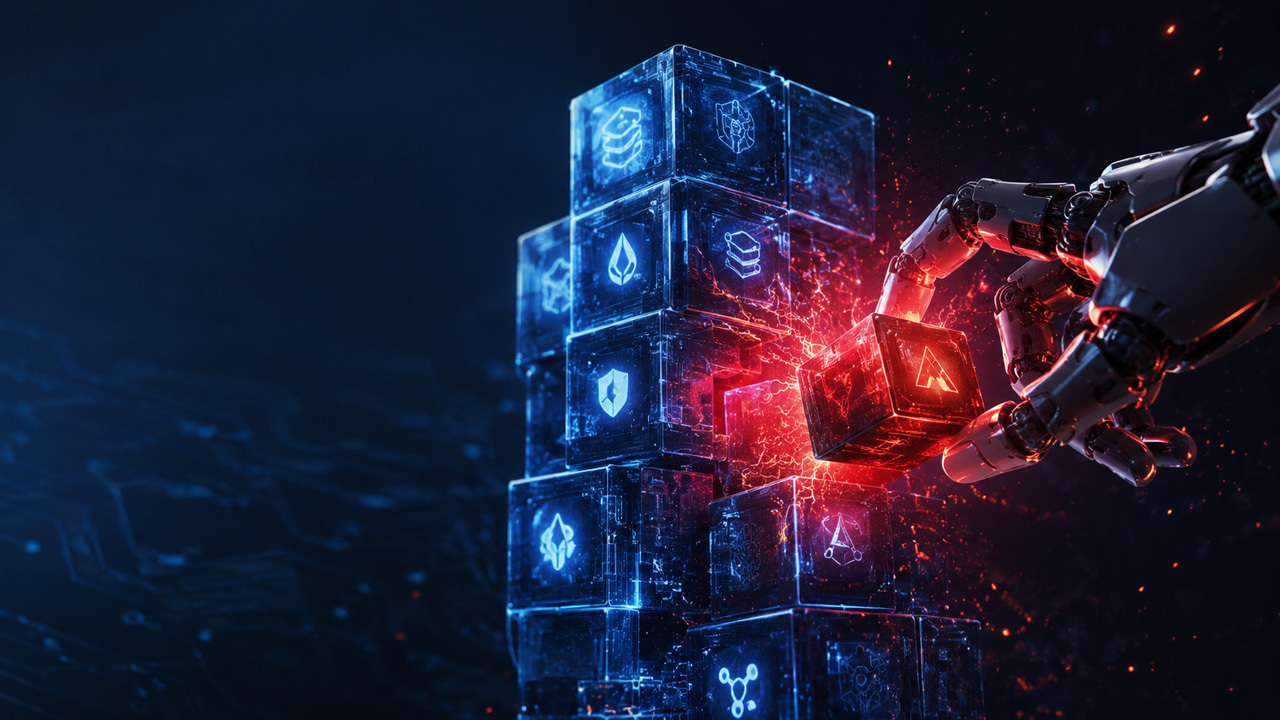
A warning from one of decentralized finance’s (DeFi) early security figures has turned a difficult stretch of hacks into a broader test of how the industry can defend itself against artificial intelligence (AI). On May 27, Manuel Aráoz, co-founder and former chief technology officer of OpenZeppelin, advised investors to exit DeFi positions, including exposur...
Key takeaways
- 1Manuel Aráoz, OpenZeppelin co-founder, warned investors to exit DeFi positions due to AI-driven security risks.
- 2The $148 billion DeFi sector faces increasing vulnerability from artificial intelligence-based attacks and exploits.
- 3Recent hacks have exposed weaknesses in DeFi's defenses against emerging AI threats to protocol safety.
Why it matters
DeFi security concerns directly impact Indian retail investors' exposure to decentralized platforms. Rising AI-driven vulnerabilities could trigger regulatory scrutiny and affect India's crypto investment decisions.
Explore how AI Agents is shaping crypto markets — aggregated stories, leading coins, and weekly momentum.
Explore narrativeRelated stories

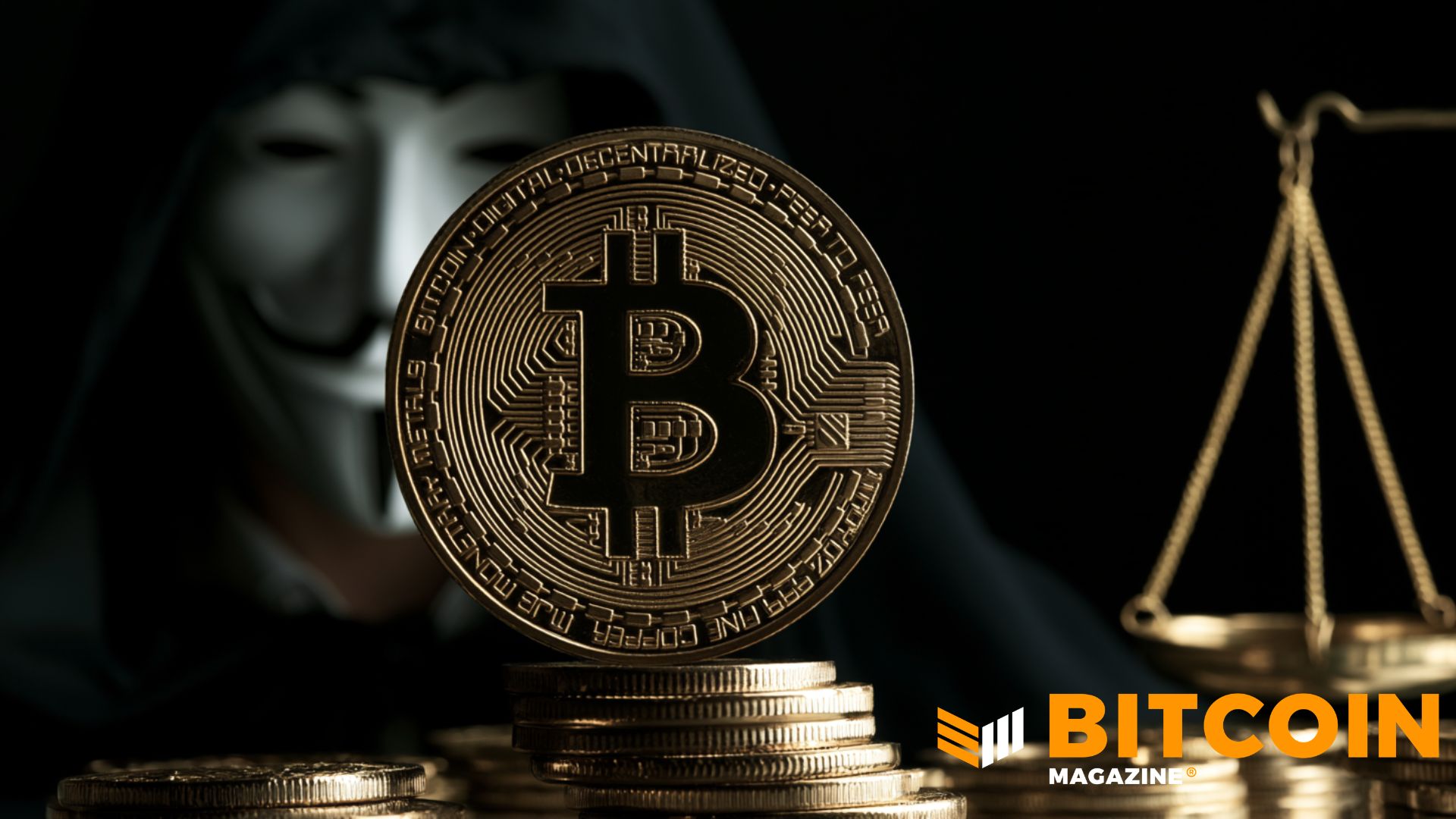
Anonymous Plaintiff Seeks Legal Title to $293 Billion in Dormant Bitcoin, Without Holding Any Private Keys
Anonymous claimant "Noah Doe" sued New York courts seeking legal title to 3.8 million dormant Bitcoin ($293 billion) using lost-property law. The lawsuit targets addresses, including Satoshi Nakamoto's likely coins and Mt. Gox theft proceeds, valued artificially under $10 each to accelerate ownership. The case marks unprecedented cryptocurrency lost-property litigation with major market implications for dormant holdings.
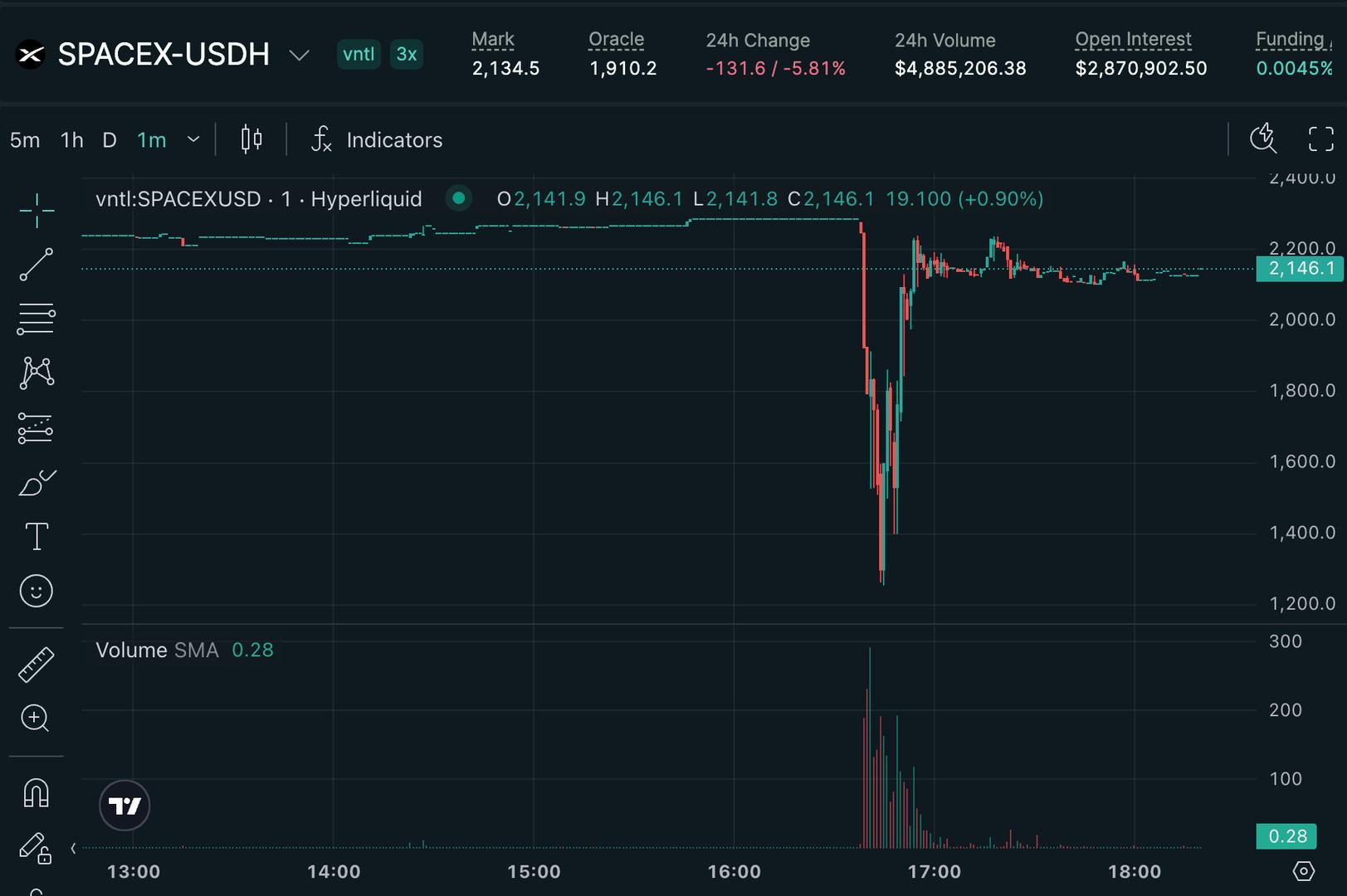
Hyperliquid's pre-IPO SpaceX contracts suffers 45% flash crash, liquidating $1.5 million
Hyperliquid's synthetic SpaceX perpetual contract crashed 45% in 30 minutes, liquidating $1.51 million across 405 retail traders using high leverage. The thin market lacked sufficient liquidity to absorb a massive sell order, devastating small investors holding minimal margin positions. The contract trades without an official price benchmark ahead of SpaceX's anticipated June IPO, exposing traders to extreme volatility risks.