

Stablecoin regulation converts issuers into psuedo-banks while adding a barrier to entry for smaller players
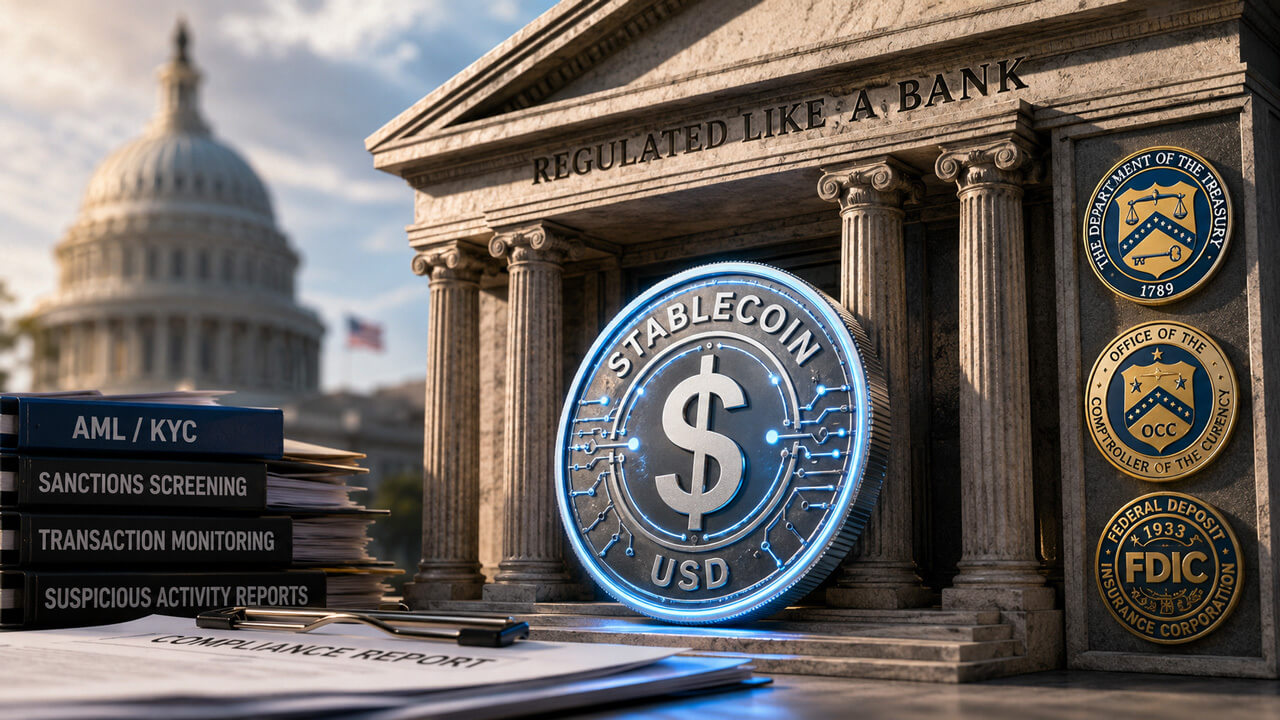
Three federal agencies have proposed rules that would make stablecoin issuers operate like banks. The Treasury wants them to run anti-money-laundering and sanctions programs. The Office of the Comptroller of the Currency (OCC) wants a weekly confidential report and a quarterly financial report from each one, and the Federal Deposit Insurance Corporation (FDI...
Explore how Regulation is shaping crypto markets — aggregated stories, leading coins, and weekly momentum.
Explore narrativeRelated stories

FCC robocall rule could make phone accounts a richer target for crypto attackers
The FCC’s proposed robocall rule, published May 26 under CG Docket Nos. 17-59 and 02-278, asks whether originating voice service providers should collect and retain customer names, physical addresses, government-issued identification numbers, alternate telephone numbers, and supporting verification records before granting service. The agency proposes a four-...

Ethereum’s Jaredfromsubway MEV bot drained after approving its own $7.5M theft
The Jaredfromsubway MEV bot, linked to roughly 70% of Ethereum sandwich attacks, lost more than $7.5 million in an allowance drain after its automated system authorized attacker-controlled contracts to spend its tokens. The bot, known as Jaredfromsubway.eth, approved a series of transactions that appeared to be part of profitable trading routes. Those permis...
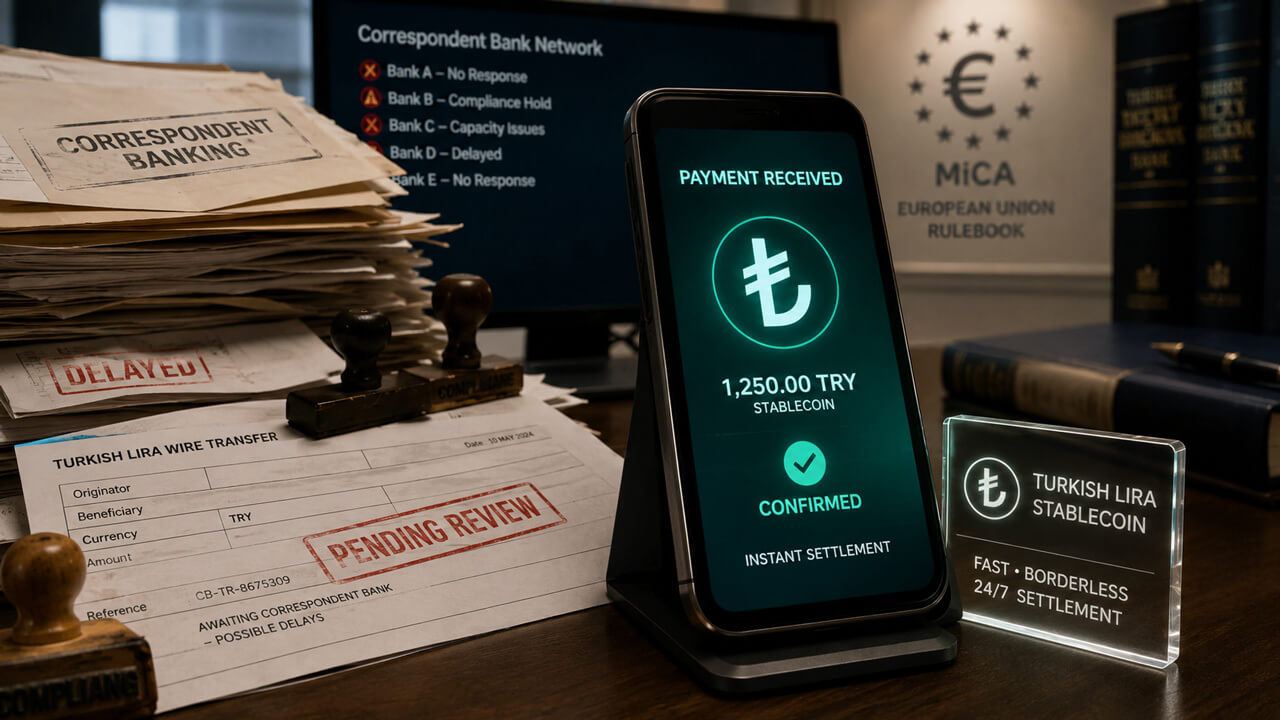
Turkish lira stablecoins show why Europe’s regulated euro tokens may struggle
Zodia Markets, the crypto subsidiary majority-owned by Standard Chartered, processed $3.4 billion in transactions involving Turkish lira stablecoins in 2025, enough to make the lira its second-most-used stablecoin currency behind the dollar, ahead of the euro and every other G10 currency. Dollar-pegged tokens, led by Tether and Circle's USDC, still dwarfed e...