

Sui Foundation says ‘major upgrade’ fixed bugs behind three outages

The Sui Network's first two outages were caused by bugs introduced in its 1.72 update, while an interim fix deployed to restore the blockchain triggered the third....
Key takeaways
- 1Sui Network experienced three outages totaling 15+ hours; bugs in version 1.72 caused gas-charging and randomness-state crashes.
- 2SUI token dropped 11% to 88 cents following outages after trading at 99 cents pre-incident on Thursday.
- 3Sui Foundation confirmed no user funds lost and no committed transactions reverted; network fully operational with permanent fixes applied.
Coins in this story


Why it matters
Sui's outages highlight smart contract platform risks that directly impact investor confidence and token valuations. For Indian retail investors, network stability issues demonstrate the importance of diversifying across proven blockchain ecosystems before committing capital to emerging Layer-1 projects.
Explore how AI Agents is shaping crypto markets — aggregated stories, leading coins, and weekly momentum.
Explore narrativeRelated stories
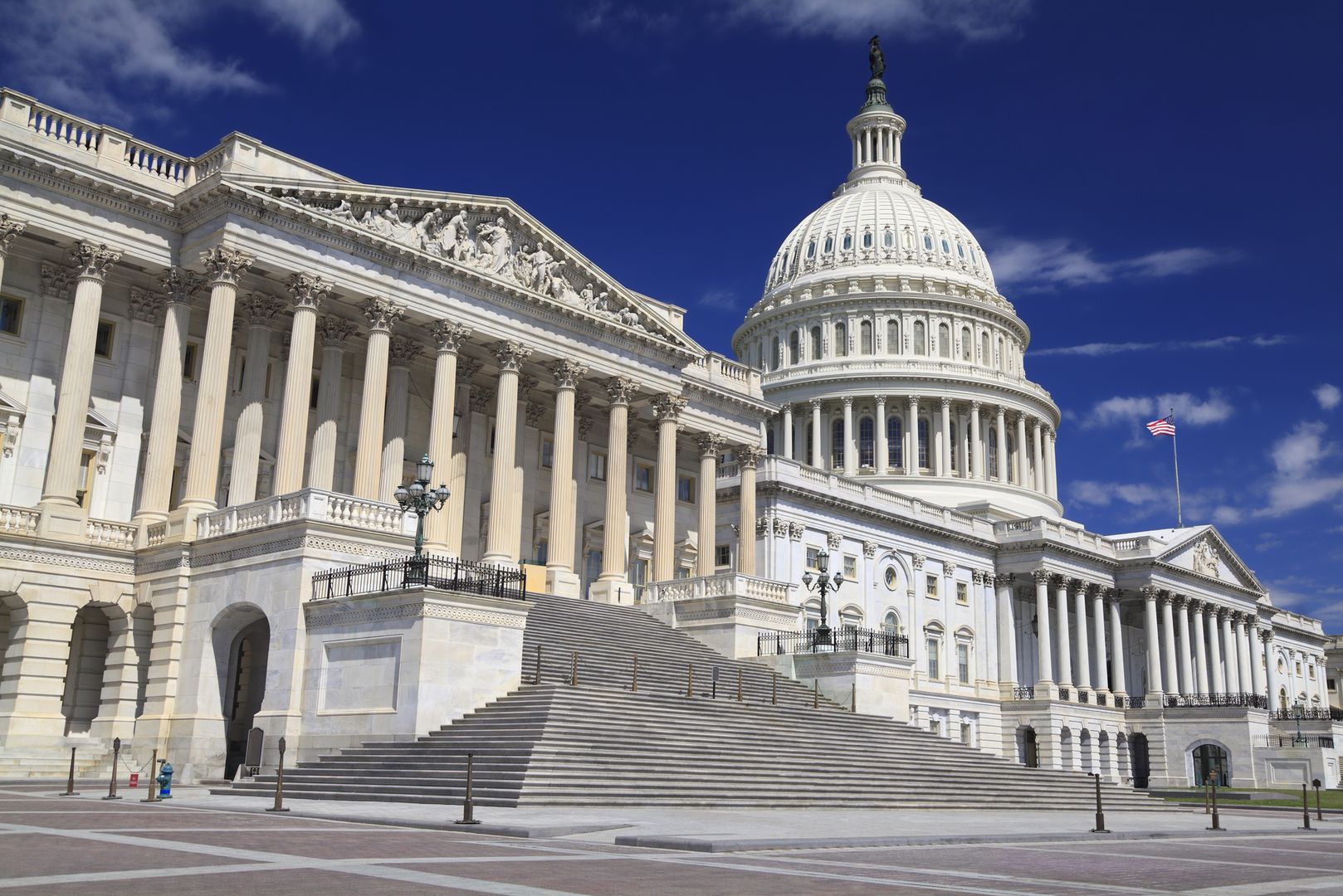
U.S. Congress returns as GENIUS comments periods close, jobs report: Crypto Week Ahead
U.S. Congress reconvenes this week as GENIUS Act stablecoin comment periods close, marking critical deadlines for federal framework implementation. Banks continue lobbying to slow rollout amid yield-bearing stablecoin disputes. Stablecoin circulation hit $322 billion in May. Key macro events include U.S. jobs data Friday and Senate floor discussions on consolidated crypto legislation targeting August passage. Ethereum's Glamsterdam upgrade arrives Q3.


Citi predicts the tokenized securities market will grow to $5.5 trillion by 2030
Citibank forecasts tokenized securities will surge to $5.5 trillion by 2030, up from $17 billion today. Major exchanges including DTCC and Nasdaq are embedding tokenization into core trading systems, with stablecoins and clearer U.S. regulation enabling instant on-chain settlement. Growth will concentrate in mainstream assets like U.S. Treasuries and stocks, creating significant opportunities for large financial institutions controlling both assets and payment infrastructure.