

Coinkite Launches Coldcard MK5: Major UX Upgrades to Flagship Bitcoin Hardware Wallet

Coinkite released the Coldcard MK5 hardware wallet with major user experience upgrades including a 30% larger display, improved buttons, redesigned chassis, and enhanced NFC support for transaction signing. Building on MK4's security foundations, the MK5 integrates technologies from the Coldcard Q while maintaining air-gapped security options. Available in multiple colors including orange and glow-in-the-dark variants.
Key takeaways
- 1Coldcard MK5 features 30% larger 1.54-inch Gorilla Glass display and redesigned buttons for improved usability over MK4.
- 2MK5 integrates NFC technology for transaction signing with short-range security design, kept off by default and hardware-disableable.
- 3First hardware upgrade to MK line since 2022, building on MK4 security with technologies from 2023's Coldcard Q.
Coins in this story


Why it matters
Enhanced hardware wallets improve self-custody adoption among Indian Bitcoin investors by reducing user friction and security complexity. NFC's air-gapped design appeals to security-conscious Indian retail traders seeking alternatives to cloud-based or Bluetooth-dependent solutions.
Explore how Regulation is shaping crypto markets — aggregated stories, leading coins, and weekly momentum.
Explore narrativeRelated stories

‘Extraordinarily unusual’ for CFTC to reverse Gemini settlement deal: Ex-chair
As the CFTC and Gemini work together to seek a court's reversal of a 2025 settlement, one of the agency’s former chairs said the public “deserves a better explanation.”...
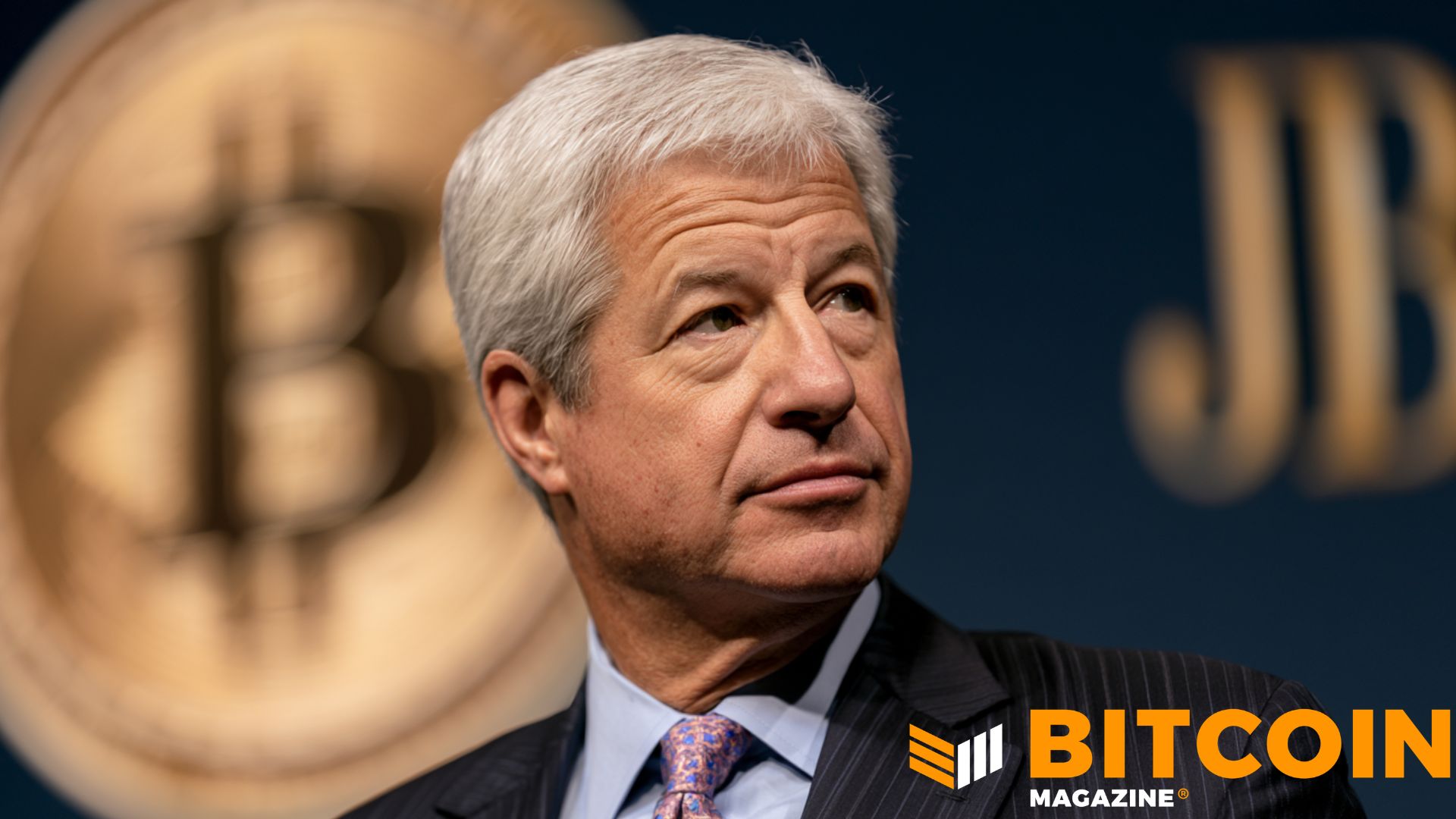
JPMorgan Chase CEO Jamie Dimon Declares War on Clarity Act, Calls Coinbase’s Armstrong ‘Full of Sh*t’
JPMorgan CEO Jamie Dimon publicly attacked the Clarity Act and Coinbase CEO Brian Armstrong, arguing crypto platforms offering stablecoin rewards operate as banks without regulatory safeguards. Dimon cited AML risks and deposit flight concerns, positioning traditional banking against crypto infrastructure expansion. The legislative battle intensifies as markup approaches, with major financial institutions opposing the bill's current form.
