

Bitcoin ATMs were crypto’s street-corner bank. Now regulators are shutting the door
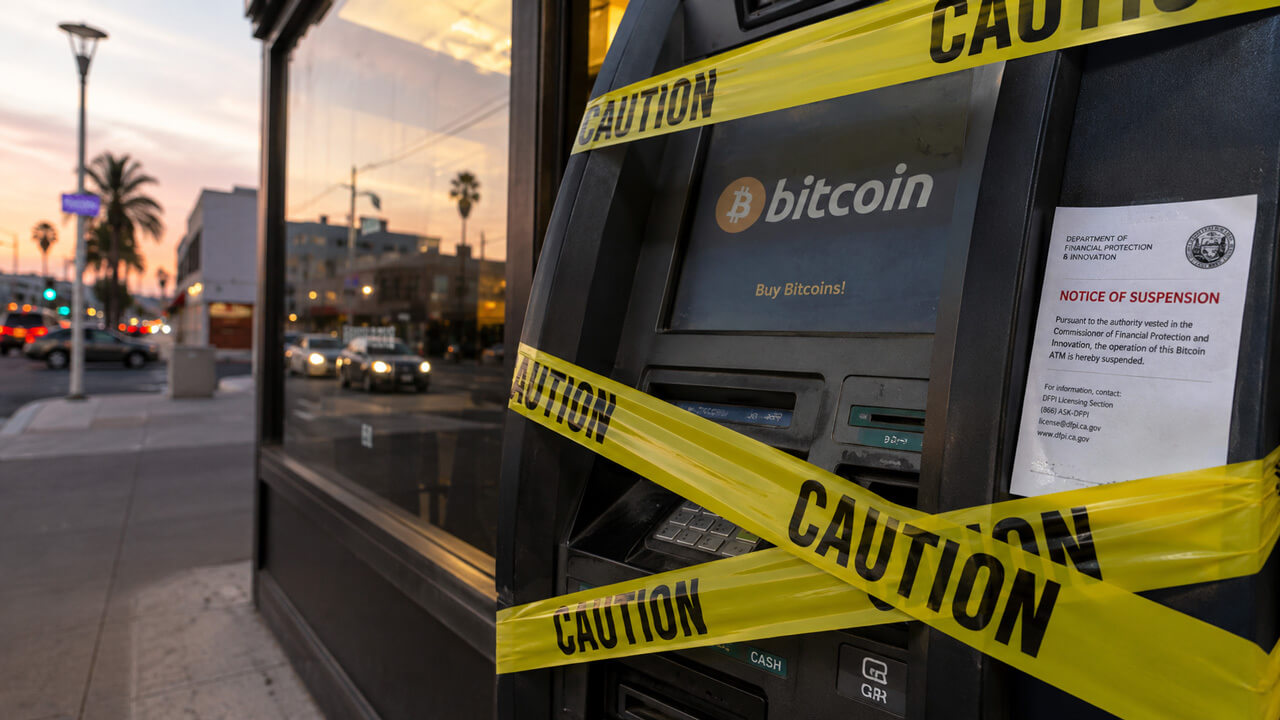
Regulators worldwide are cracking down on Bitcoin ATMs, once serving as accessible on-ramp points for crypto adoption. Stricter compliance requirements and anti-money laundering rules are forcing closures, reducing retail accessibility. This regulatory squeeze impacts Bitcoin's mainstream adoption prospects and limits unbanked populations' entry to crypto markets, particularly affecting developing economies like India seeking financial inclusion through digital assets.
Key takeaways
- 1Regulators worldwide are shutting down Bitcoin ATMs due to stricter anti-money laundering compliance requirements.
- 2Bitcoin ATM closures reduce retail accessibility and limit unbanked populations' entry to crypto markets globally.
- 3Developing economies like India face financial inclusion challenges as regulatory crackdowns limit digital asset accessibility.
Coins in this story

Why it matters
Bitcoin ATM shutdowns directly impact India's crypto adoption narrative and financial inclusion goals, as retail investors lose convenient on-ramps to digital assets. Stricter global compliance raises questions about how India's crypto framework will balance regulatory oversight with accessibility for its large unbanked population.
Explore how Regulation is shaping crypto markets — aggregated stories, leading coins, and weekly momentum.
Explore narrativeRelated stories

SEC charges Texas man with $12.3M crypto fraud using fake AI trading bots
SEC charged Texas resident Nathan Fuller with $12.3 million crypto fraud involving fake AI trading bots promising 40-50% returns. Fuller misappropriated $6.2 million personally and used $5.5 million for Ponzi payments to earlier investors through Privvy Investments. The scheme operated October 2022 through mid-2024, targeting 150 investors with fabricated account statements and false FDIC insurance claims.

When the market is bad, we build: Inside Binance’s bold 2030 master plan
Binance plans to scale verified active users from 310 million to 3 billion by 2030, positioning itself during market downturns. The exchange is bridging a $2 billion institutional spending gap through new OMS tools and enabling banks to pledge tokenized money market funds from BlackRock and Franklin Templeton. Over 15 major financial institutions have adopted Binance's Crypto-as-a-Service platform.

Hyperliquid could become a ‘financial services juggernaut’ as DeFi expands, says Grayscale
Grayscale reports Hyperliquid, a decentralized perpetual futures exchange, generated $800 million revenue in 2025 and could become a "financial services juggernaut." The platform is expanding into tokenized equities and commodities, processing $2.9 trillion in volume. Analysts view regulatory clarity as critical for future growth, though it currently blocks U.S. users. The HYPE token remains volatile.