

New York attorney general seeks $36 billion fine against Kalshi

New York Attorney General Letitia James is seeking $36 billion in penalties from prediction market platform Kalshi, alleging it operated illegal gambling services within the state. Regulatory scrutiny against prediction platforms has intensified following a massive surge in retail trading volume. The legal action targets unregistered event contracts and state law violations. Market participants now face heightened legal risks as state regulators aggressively challenge federal oversight boundaries for derivatives.
Key takeaways
- 1New York seeks $36 billion in penalties from Kalshi over alleged illegal gambling operations.
- 2The lawsuit targets unregistered event contracts offered to retail traders without state approval.
- 3Conflict between state gaming laws and federal commodities regulation creates ongoing legal uncertainty.
Coins in this story




Why it matters
State-level crackdowns on prediction markets signal increased regulatory fragmentation for retail traders globally. Escalating legal disputes between state authorities and federally regulated platforms could curb market liquidity and limit access to novel derivative products worldwide.
Discussion
Related stories
Coinbase reports surprise quarterly loss as retail crypto trading slows
Coinbase posted a surprise loss in its latest quarterly financial results, driven by a sharp drop in overall crypto trading volumes. Major digital assets including Bitcoin and Ethereum experienced stagnant price action, suppressing retail activity across the platform. Transaction revenue fell significantly, missing Wall Street expectations. While subscription and services revenue showed slight resilience, reduced market volatility continues to pressure the exchange's broader financial outlook and long-term profitability.
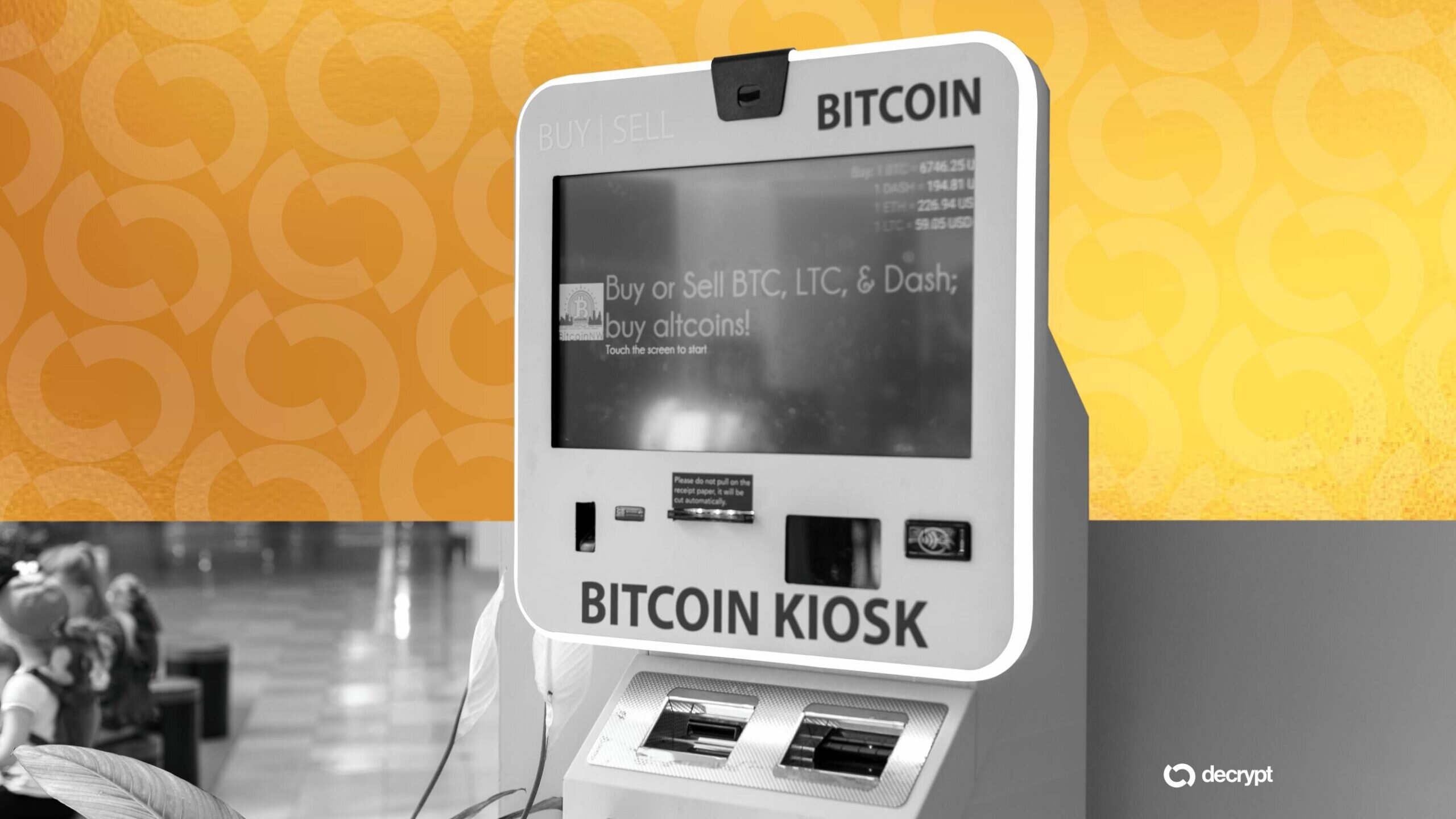
Texas lawmakers weigh crypto kiosk ban after scams cost $57 million
Texas lawmakers are considering a ban on crypto kiosks following reports that state residents lost $57 million to scams involving the machines. Fraudsters frequently target elderly victims, using coercion and fraudulent claims to trick them into depositing cash at physical Bitcoin ATMs. State regulators are pushing for tighter oversight or a complete prohibition to curb escalating financial losses, which could set a precedent for crypto kiosk regulations across other states.
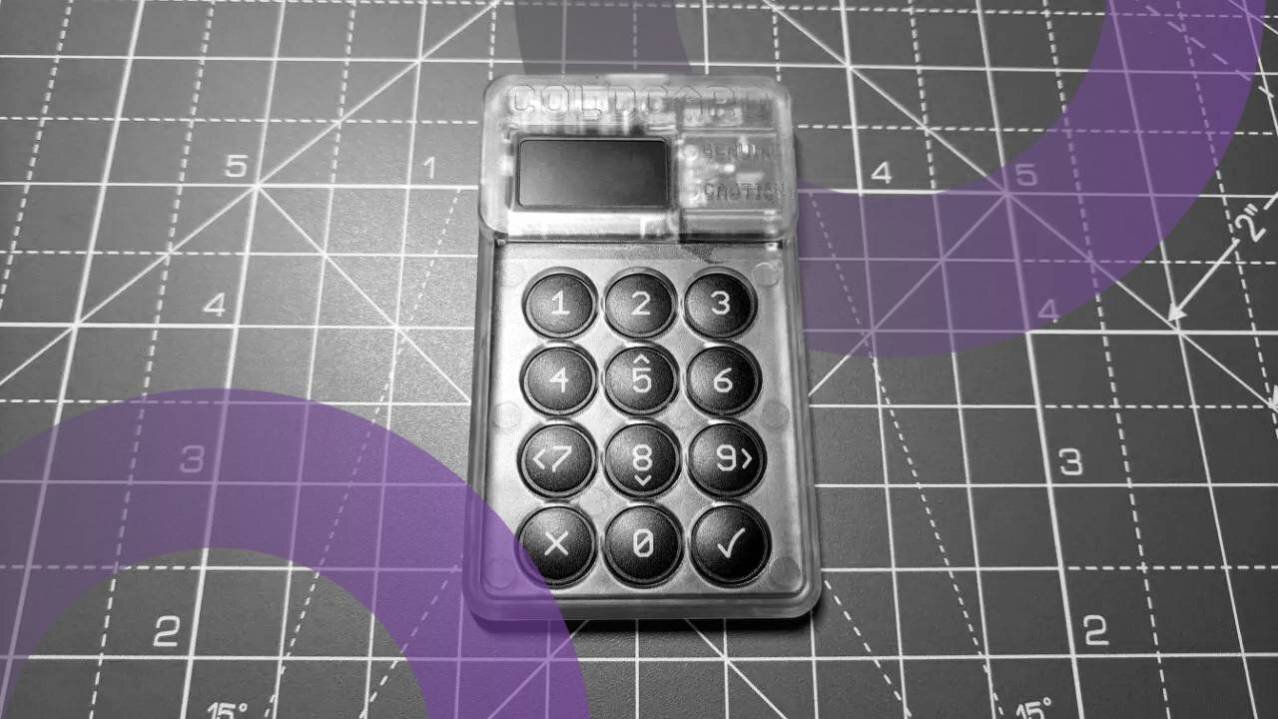
Flaw in Coldcard wallets allows hacker to drain $38 million Bitcoin
A critical security flaw in Coldcard hardware wallets allowed attackers to drain $38 million in Bitcoin from affected users. The manufacturer believes an artificial intelligence system identified the underlying vulnerability before executing the exploit. This incident highlights growing concerns over automated security exploits targeting self-custody solutions in the cryptocurrency market. Investors are advised to update their device firmware immediately as security teams work to mitigate further risks across affected hardware wallet models.