

US lawmakers push new Strategic Bitcoin Reserve act to secure $25 billion federal stash
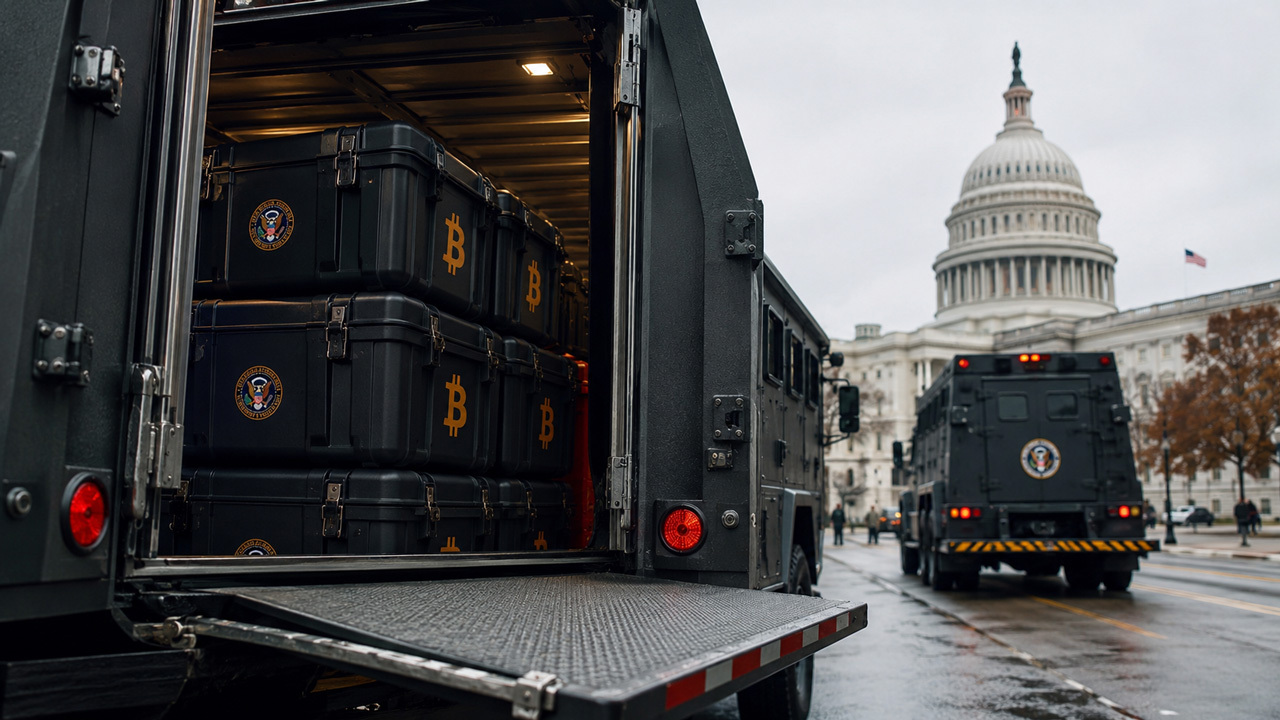
A renewed push to solidify the United States’ foothold in the digital asset market emerged Thursday as lawmakers unveiled legislation to establish a formal strategic Bitcoin reserve and consolidate the federal government's multibillion-dollar cryptocurrency stockpile. Spearheaded by Representative Nick Begich, the American Reserve Modernization Act (ARMA) of...
Key takeaways
- 1US lawmakers introduced the American Reserve Modernization Act to establish a formal strategic Bitcoin reserve consolidating federal cryptocurrency holdings.
- 2The legislation aims to secure approximately $25 billion in federal Bitcoin stockpile under official government management.
- 3Representative Nick Begich is spearheading the push to strengthen US digital asset market position through institutional Bitcoin reserves.
Coins in this story

Why it matters
US government Bitcoin reserves signal institutional adoption and could influence global crypto policy trends. India may face pressure to develop its own crypto reserve strategy as major economies formalize digital asset holdings.
Explore how Regulation is shaping crypto markets — aggregated stories, leading coins, and weekly momentum.
Explore narrativeRelated stories

Mark Cuban Sells Most of His Bitcoin, Calls It a Failed Hedge
Mark Cuban has sold most of his Bitcoin holdings, arguing it failed as a hedge against fiat weakness and geopolitical risk. While gold surged during U.S.-Iran tensions, Bitcoin underperformed, contradicting Cuban's expectations. He remains more bullish on Ethereum's utility but dismisses meme coins as garbage. The move signals skepticism among major investors on Bitcoin's macro narrative.

Satoshi’s 1.1M bitcoin and millions more can be saved from quantum attack, says expert
AmericanFortress unveiled a patent-pending post-quantum signature scheme to protect crypto assets, including Satoshi's 1.1 million Bitcoin and dormant wallets worth $400 billion, from future quantum attacks. The backward-compatible soft fork uses zero-knowledge proofs to freeze vulnerable addresses without mass migrations. Backed by $8 million funding, the approach applies to Bitcoin, Ethereum, Solana, and Tron with minimal performance impact.

Blockchain.com confidentially submits IPO filing with SEC
The crypto services company began the US IPO process as companies across the digital asset sector weigh public market debuts....