

Robinhood is letting AI trade for you so you don't have to keep checking the markets

Robinhood is bringing hedge fund-style automation to everyday investors by letting AI agents build portfolios, execute stock trades, and even go shopping using virtual credit cards....
Key takeaways
- 1Robinhood launched Agentic Trading and Agentic Credit Card allowing AI agents to execute stock trades and purchases autonomously based on user-defined strategies.
- 2AI agents can monitor markets, rebalance portfolios, and complete transactions through separate limited-fund accounts with spending controls and instant shutoff capability.
- 3Robinhood shares climbed 1.5% to $75.20 following the announcement, marking retail automation moving from institutional trading desks to consumer investors.
Coins in this story


Why it matters
This democratizes Wall Street-level algorithmic trading for Indian retail investors, reducing manual market monitoring time and lowering barriers to sophisticated portfolio management. However, it raises regulatory questions about autonomous systems in volatile markets and the need for safeguards as retail participation in AI-driven trading expands.
Explore how AI Agents is shaping crypto markets — aggregated stories, leading coins, and weekly momentum.
Explore narrativeRelated stories

Crypto’s biggest exchanges back push for token disclosure standards as industry courts institutional capital
Over 40 major crypto exchanges, including Coinbase and Kraken, launched the Transparency Alliance to standardize token disclosures using Blockworks' framework. The initiative mirrors stock market filings, covering insider allocations and listing terms. Forty-four protocols already use it. The move aims to attract institutional capital while maintaining regulatory dialog with SEC and CFTC officials. India's crypto market could benefit from similar transparency standards.
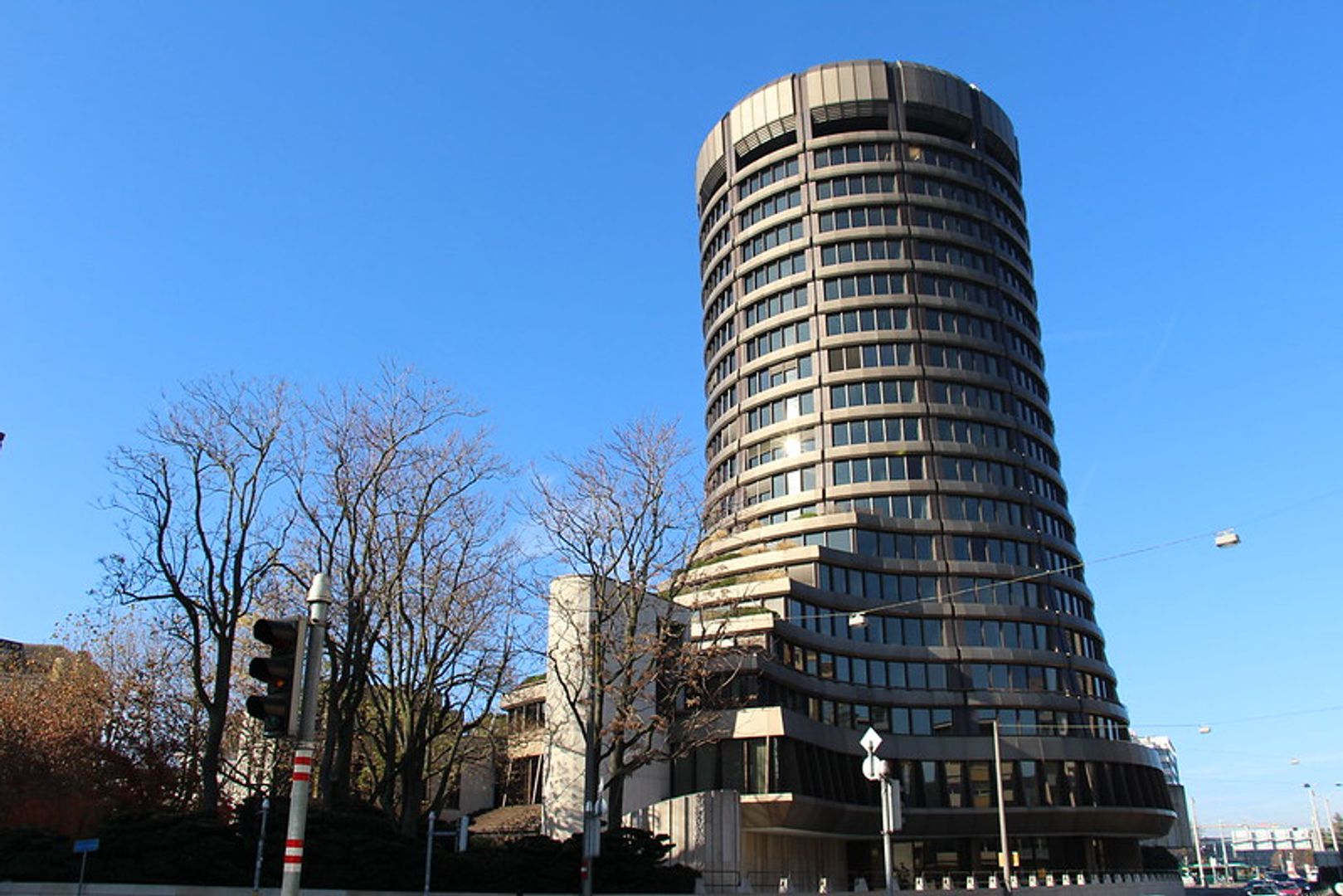
BIS project finds tokenization could make cross-border payments faster, safer
Project Agorá, backed by the Bank for International Settlements and major central banks including the Federal Reserve, found that tokenizing central bank reserves and commercial bank deposits could accelerate cross-border payments and reduce settlement risks. The initiative moves from simulations to real-value testing, with participants including the Fed, Bank of England, and Bank of Japan exploring blockchain-based atomic settlement.

Block kicks off Cash App’s phased stablecoin roll out to its nearly 60 million users
Block's Cash App begins phased rollout of USDC stablecoin payments to its 60 million users, with 25% already enabled and full access expected by week's end. The move signals CEO Jack Dorsey's shift from bitcoin-maximalism toward supporting customer demand for stablecoins across Solana, Ethereum, Polygon, and Arbitrum. Users face $2,000 daily spending limits and unavailability in New York.