
AI agents and large corporates will lead the next stablecoin boom, executives say
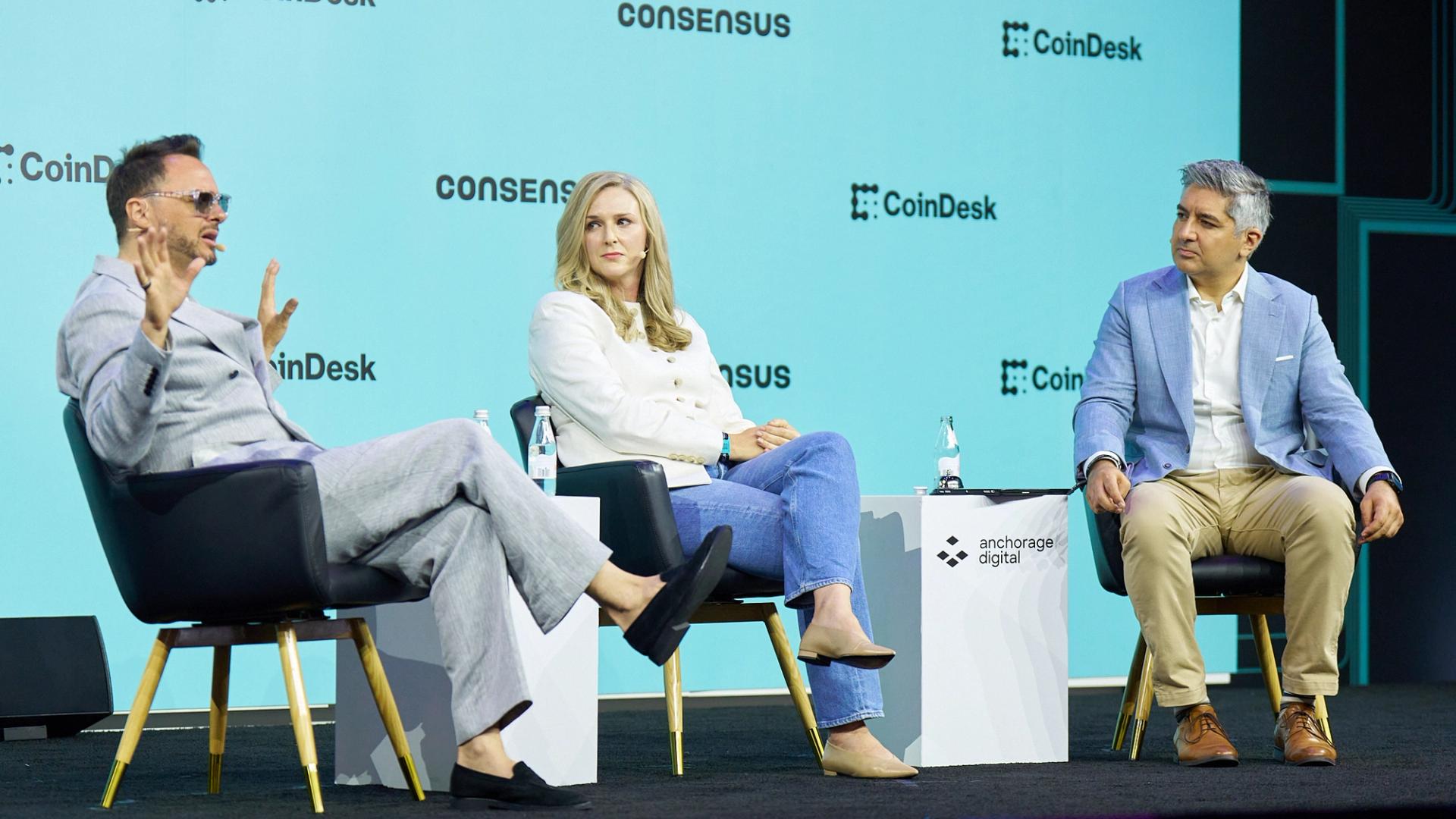
Corporate treasurers and AI agents are poised to drive stablecoin adoption, executives said at Consensus 2026. Bridge's Lindsey Einhaus highlighted institutional demand for cross-border payments, while Deus X Capital's Tim Grant emphasized autonomous AI transactions as a major growth driver. Better regulation and reduced transaction costs on payment-focused blockchains like Tempo are enabling broader institutional adoption, though fragmented infrastructure remains a challenge.
Coins in this story


Explore how AI Agents is shaping crypto markets — aggregated stories, leading coins, and weekly momentum.
Explore narrativeRelated stories
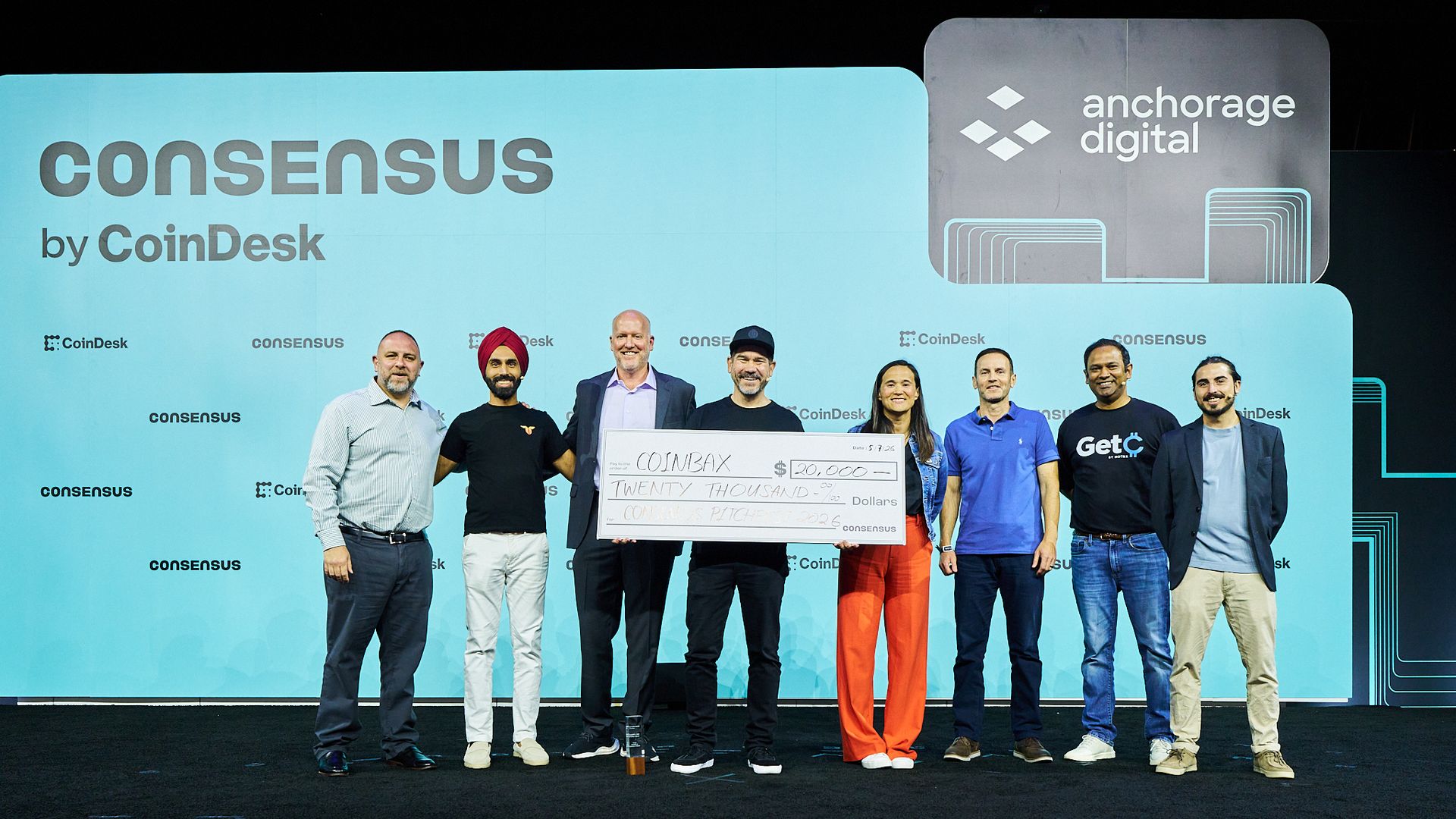
Coinbax wins $20,000 PitchFest prize at Consensus Miami for stablecoin compliance
Coinbax won $20,000 at Consensus Miami's PitchFest for programmable escrow software enabling compliant stablecoin payments. Founded by former Jack Henry executive Peter Glyman, the startup uses smart contracts to hold funds while third-party services verify identity and sanctions before settlement. Already live on Base mainnet with pilot programs underway, Coinbax addresses bank hesitancy around onchain payment infrastructure.
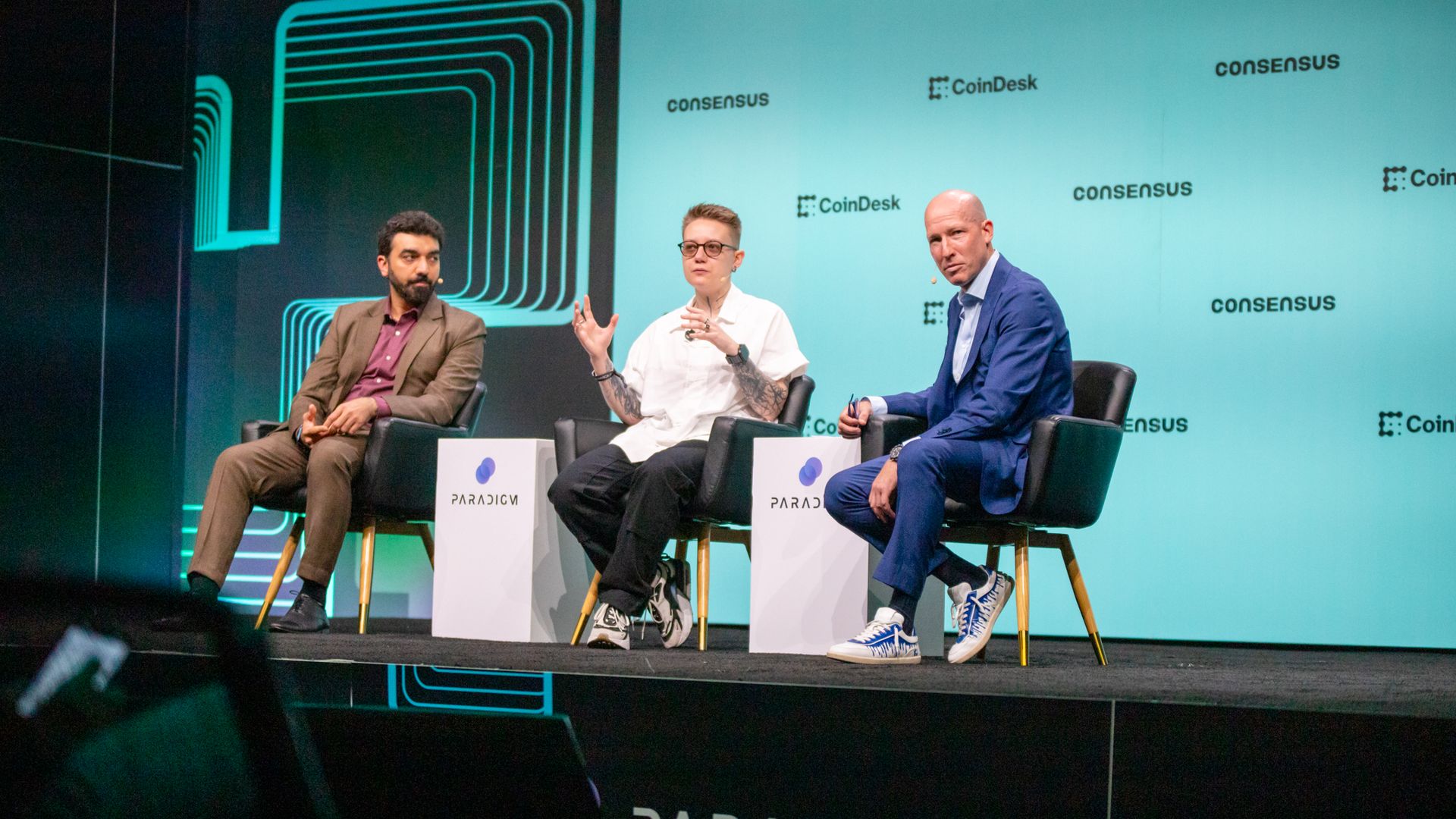
Privacy and accountability can coexist onchain, say panelists at Consensus Miami
Public blockchains make transactions traceable, but that transparency can come at the expense of user privacy. Speakers from Moody’s Ratings and ChangeNOW said that hybrid blockchain architecture and address-level monitoring can help solve both problems simultaneously....
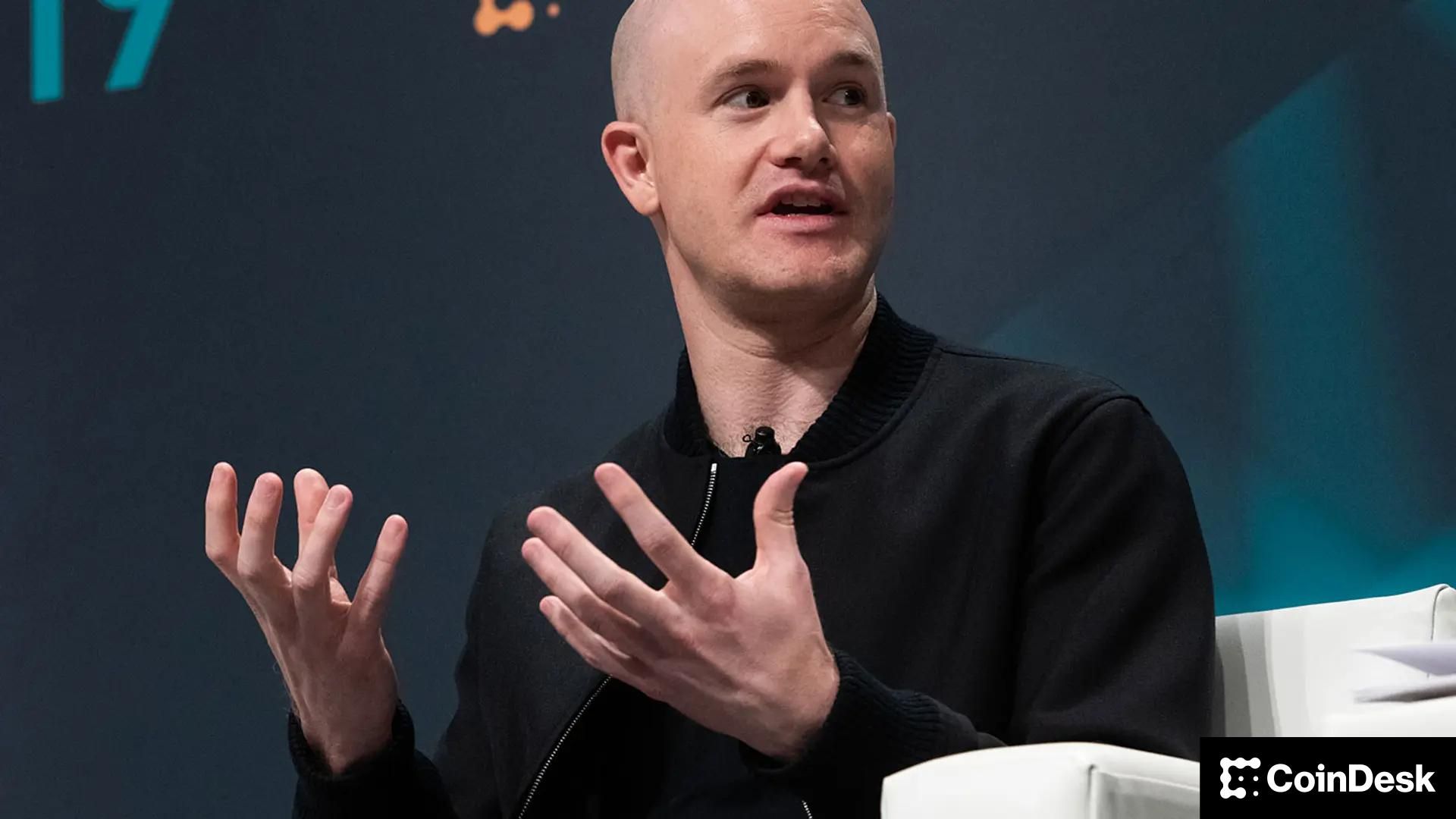
Coinbase stock drops 4% after surprise 1Q miss as crypto trading slows
Coinbase shares fell 4% after missing Q1 earnings and revenue targets as declining crypto prices weakened trading activity. The platform reported a $1.49 loss per share versus expected 27-cent profit, with transaction revenue hitting $755.8 million below $805.2 million estimates. Despite 14% workforce cuts, Coinbase is pivoting toward derivatives, stablecoins, and prediction markets to reduce trading-fee dependency and stabilize revenue.