

Bitcoin left behind in the geopolitical melee

Your day-ahead look for May 22, 2026...
Key takeaways
- 1Bitcoin traded near $77,200 with little movement despite positive regulatory developments from the Clarity Act.
- 2U.S. spot bitcoin ETFs recorded $1.15 billion in outflows this week as geopolitics and AI dominate market focus.
- 3Near Protocol's token surged 25-27% following announcement of upgrade focused on automated scaling and quantum resilience.
Coins in this story


Why it matters
Bitcoin is sidelined as macrogeopolitical tensions (Strait of Hormuz disruptions) and AI enthusiasm drive traditional markets, causing institutional crypto outflows that could persist until macro sentiment shifts toward digital assets. For Indian investors, this highlights crypto's current correlation with global geopolitics rather than independent fundamentals.
Explore how ETF is shaping crypto markets — aggregated stories, leading coins, and weekly momentum.
Explore narrativeRelated stories

OKX and ICE are bringing 'never-expiring' oil futures to 120 million crypto users
OKX and Intercontinental Exchange (ICE) launched perpetual oil futures based on Brent and WTI benchmarks, opening energy products to 120 million crypto traders. The partnership marks growing convergence between crypto and traditional finance, with ICE leveraging its NYSE ownership to bridge markets. This follows Hyperliquid's successful oil perps generating $1.6 billion daily volume, signaling regulatory acceptance of perpetual derivatives.
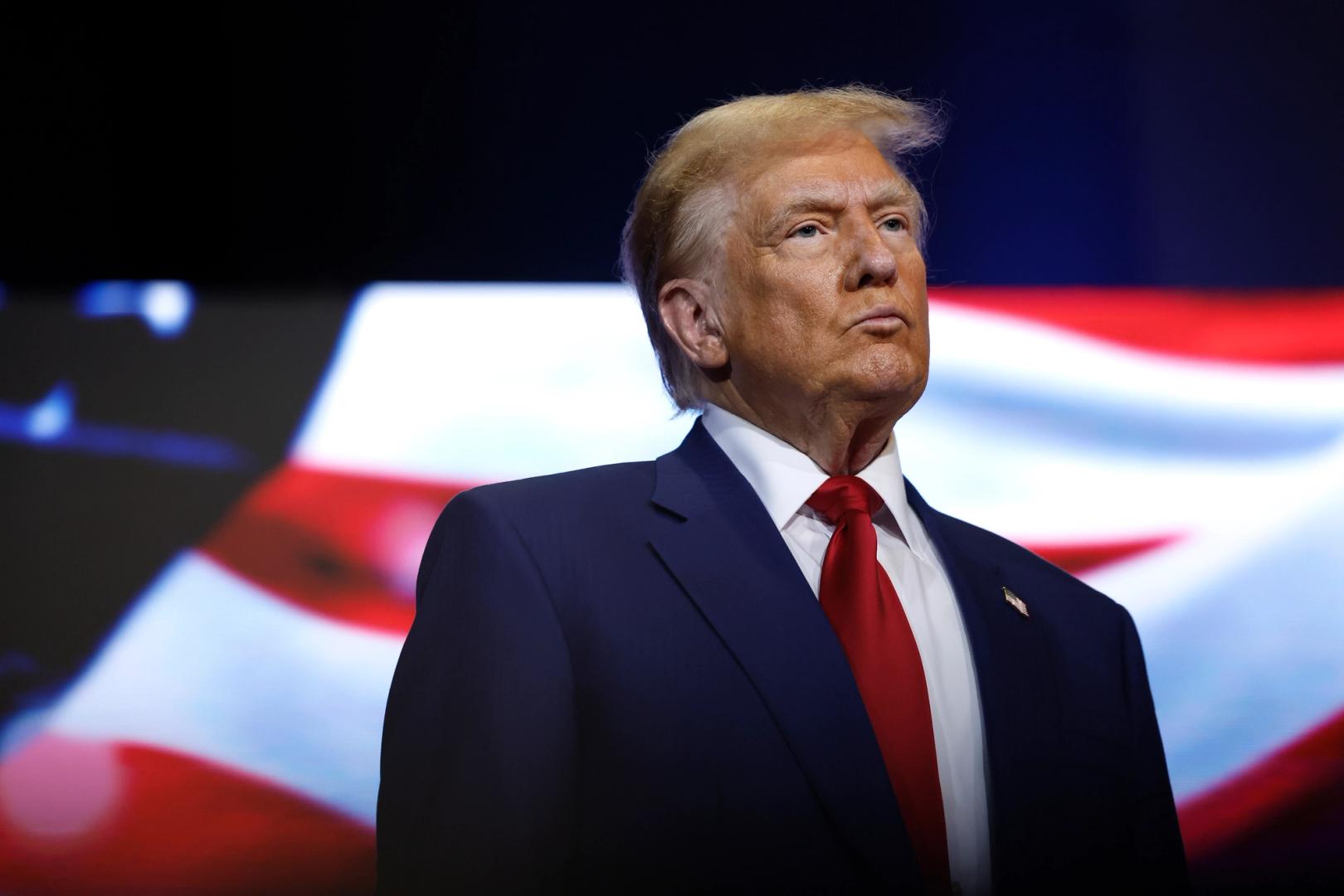
Trump Media moves another $205 million in bitcoin as losses on crypto bet swell to $455 million
Trump Media transferred 2,650 bitcoin ($205 million) to Crypto.com, intensifying concerns about its struggling crypto strategy. The company's bitcoin losses now total $455 million as holdings trade far below their $118,522 average purchase price. This follows the withdrawal of its spot bitcoin ETF application amid severe financial pressure—Q1 showed a $405.9 million loss on minimal revenue.
Congress hits Polymarket and Kalshi with a massive insider trading probe
House Oversight Committee opened an investigation into prediction market platforms Polymarket and Kalshi, fearing U.S. government employees may exploit classified information for profit. Rep. James Comer demands internal records and proposes legislation barring Congress members and officials from participating. The probe follows bipartisan scrutiny over national security risks and insider trading concerns as prediction markets surge toward projected $1 trillion volume by 2030.