

DeFi isn't safe anymore because AI is becoming 'superhuman' at hacking, security chief warns

OpenZeppelin CEO Manuel Aráoz declared all DeFi unsafe, warning AI coding agents have become "superhuman" at exploiting smart contract vulnerabilities. DeFi's TVL dropped $20 billion this year amid $1.1 billion in hacks, including Kelp DAO's $292 million exploit. Anthropic's Claude Mythos can autonomously discover and weaponize flaws faster than human defenders can patch them, fundamentally challenging DeFi's security model.
Key takeaways
- 1OpenZeppelin CEO warns all DeFi is now unsafe as AI coding agents become superhuman at finding smart contract vulnerabilities faster than humans can patch them.
- 2DeFi's total value locked dropped $20 billion this year with $1.1 billion lost to hacks, including Kelp DAO's $292 million exploit.
- 3Anthropic's Claude Mythos AI can autonomously discover software vulnerabilities and weaponize them at speeds surpassing existing automated security tools.
Coins in this story


Why it matters
For Indian retail investors, this signals heightened systemic risk in DeFi protocols they may be exposed to through yield farming or staking. The AI-driven security arms race could trigger stricter regulations and forced migration to centralized platforms, reshaping crypto market access and valuations.
Explore how AI Agents is shaping crypto markets — aggregated stories, leading coins, and weekly momentum.
Explore narrativeRelated stories
IREN shares jumps on $1.6 billion Dell deal to expand AI cloud business
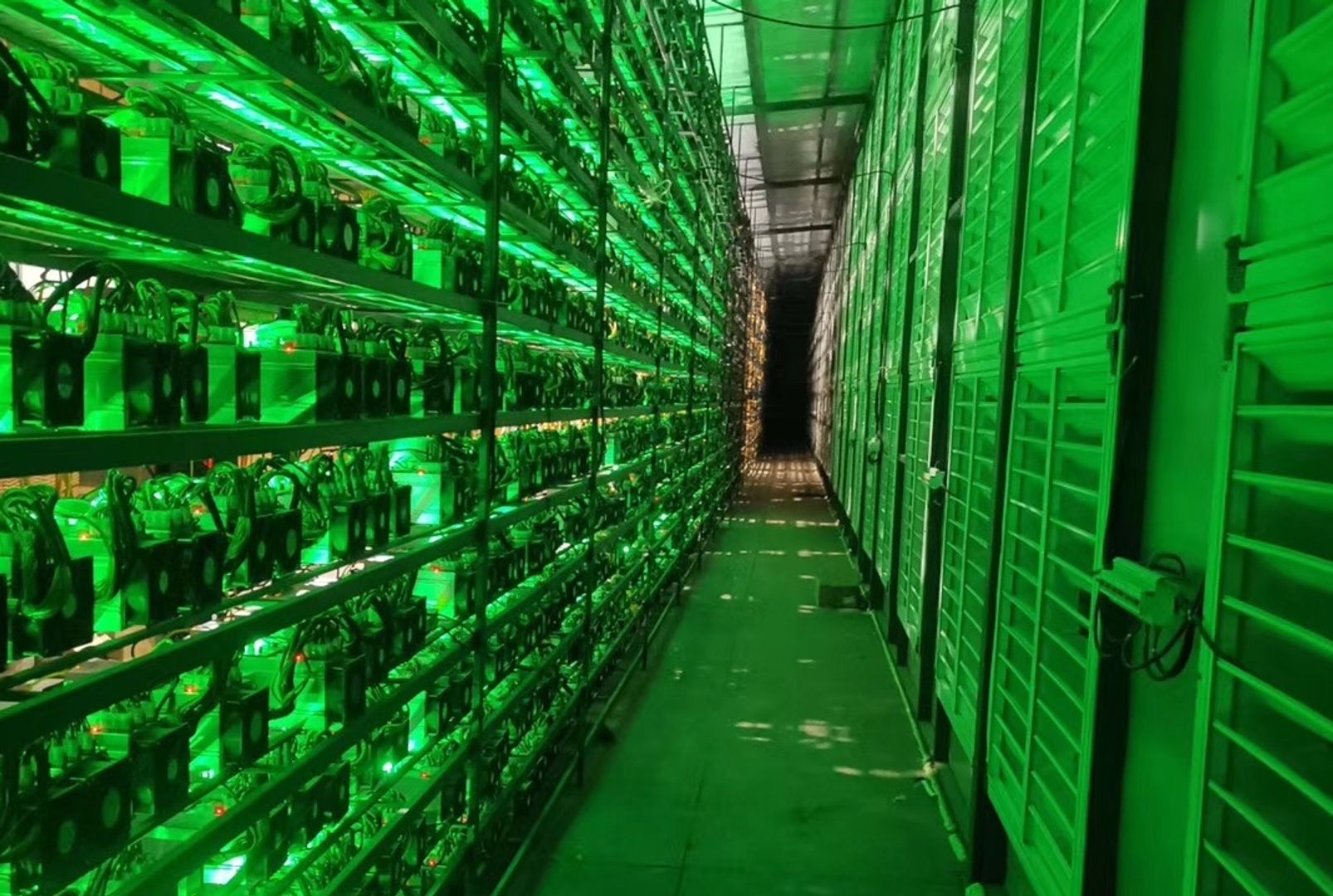
IREN shares jumped 4% after securing a $1.6 billion Dell deal for Blackwell AI systems to expand cloud infrastructure at its Texas facilities. The agreement supports a $3.4 billion five-year AI contract, projected to boost annualized revenue from $3.7 billion to $4.4 billion by 2027. Deployment begins early 2027, positioning IREN as a key AI infrastructure player amid surging compute demand.

Bitcoin drops to 13th largest asset as capital flees to AI and precious metals
Bitcoin’s weak 2026 performance has coincided with sharp gains in metals and semiconductor giants, raising concerns that the cryptocurrency could continue losing ground....

Whale alert: Someone dumped $1.29 billion of BlackRock's bitcoin ETF in a dark pool trade
An unknown investor executed a $1.29 billion block sale of BlackRock's IBIT bitcoin ETF via dark pool trade Tuesday, the largest such transaction recorded. This move coincides with broader exodus from U.S. spot bitcoin ETFs, which suffered $2.26 billion in outflows over two weeks. Bitcoin has retreated to $75,000 from May highs above $82,000, signaling weakening investor conviction.