

Casa Launches Four Security Features to Combat Rising Social Engineering Attacks on Bitcoin Holders
Bitcoin security firm Casa launched four features combating social engineering attacks that caused $11 billion in crypto losses last year. Guardian Mode requires video verification and 48-hour delays for transactions. Whitelisting restricts withdrawals to pre-approved addresses with waiting periods. The firm also monitors suspicious login locations and detects phone calls during transactions. These protections address social engineering's rising threat to Bitcoin holders globally.
Key takeaways
- 1Casa launched four security features to combat social engineering attacks that caused $11 billion in crypto losses in 2025.
- 2Guardian Mode requires video verification and 48-hour transaction delays; Whitelisting restricts withdrawals to pre-approved addresses with waiting periods.
- 3Phone call detection prevents transactions during active calls; suspicious login location monitoring flags impossible-timing account access attempts.
Coins in this story

Why it matters
Social engineering now causes more crypto theft than all other attack vectors combined (2,000+ phishing attacks per physical attack), making these security layers critical for Indian retail Bitcoin holders protecting substantial holdings from sophisticated, AI-enhanced scams targeting life savings.
Explore how Regulation is shaping crypto markets — aggregated stories, leading coins, and weekly momentum.
Explore narrativeRelated stories

HTX denies UK sanctions allegations as new data flags $7.6B Russia-linked flows
UK sanctioned HTX exchange operator Huobi Global for allegedly facilitating $7.6 billion in Russia-linked crypto flows through shadow networks. The platform denies wrongdoing, claiming sanctions target only the parent entity while operations continue. Blockchain analysis reveals high-risk transactions involving Russian entities and darknet markets, intensifying Western scrutiny on crypto platforms' sanctions compliance and their role in circumventing restrictions on Moscow's war economy.

Crypto Long & Short: How the GENIUS Act repriced bitcoin's monetary premium
The GENIUS Act's 100% reserve stablecoin regulation shifted "digital dollar" demand from Bitcoin to regulated alternatives, repricing Bitcoin's monetary premium. Data shows Bitcoin's primary real-world use wasn't speculation but dollar access for emerging markets facing capital controls. Stablecoin issuance surged 45% post-Act while Bitcoin fell 43%, suggesting capital migrated to better dollar wrappers rather than leaving crypto entirely.
BIS project finds tokenization could make cross-border payments faster, safer
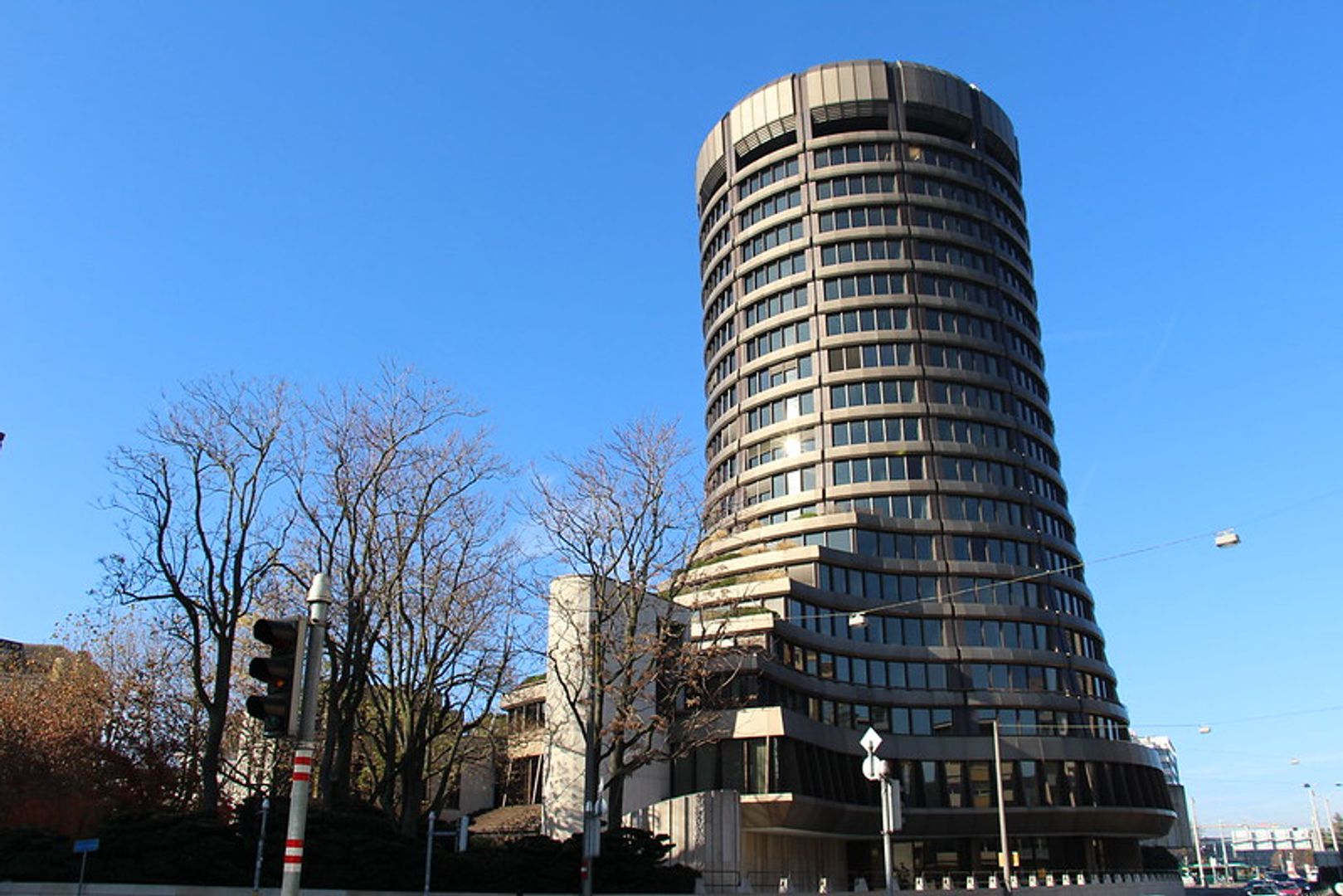
Project Agorá, backed by the Bank for International Settlements and major central banks including the Federal Reserve, found that tokenizing central bank reserves and commercial bank deposits could accelerate cross-border payments and reduce settlement risks. The initiative moves from simulations to real-value testing, with participants including the Fed, Bank of England, and Bank of Japan exploring blockchain-based atomic settlement.