

Crypto-backed candidates win key Texas primary runoffs

Crypto-backed PACs deployed millions in Texas primary runoffs, helping elect pro-crypto candidates including Democrat Christian Menefee and Republican Ken Paxton. Groups like Fairshake spent $5 million supporting Menefee against anti-crypto incumbent Al Green. These victories signal growing industry political influence as Congress debates new crypto regulations and market structure legislation, potentially securing allies for favorable policy outcomes.
Key takeaways
- 1Crypto PACs spent $5 million supporting Democrat Christian Menefee, who defeated 20-year anti-crypto incumbent Al Green in Texas.
- 2Ken Paxton won Texas Republican Senate runoff with crypto PAC support, securing a pro-crypto ally as Congress debates new crypto rules.
- 3Crypto-backed candidates won multiple Texas primary runoffs, demonstrating industry's growing political influence in US elections.
Coins in this story


Why it matters
These victories give crypto industry allies in Congress during critical debates on market structure and stablecoin regulations. For Indian retail investors, US regulatory clarity directly impacts crypto access, compliance frameworks, and global market sentiment affecting Indian exchanges and asset valuations.
Explore how RWA is shaping crypto markets — aggregated stories, leading coins, and weekly momentum.
Explore narrativeRelated stories
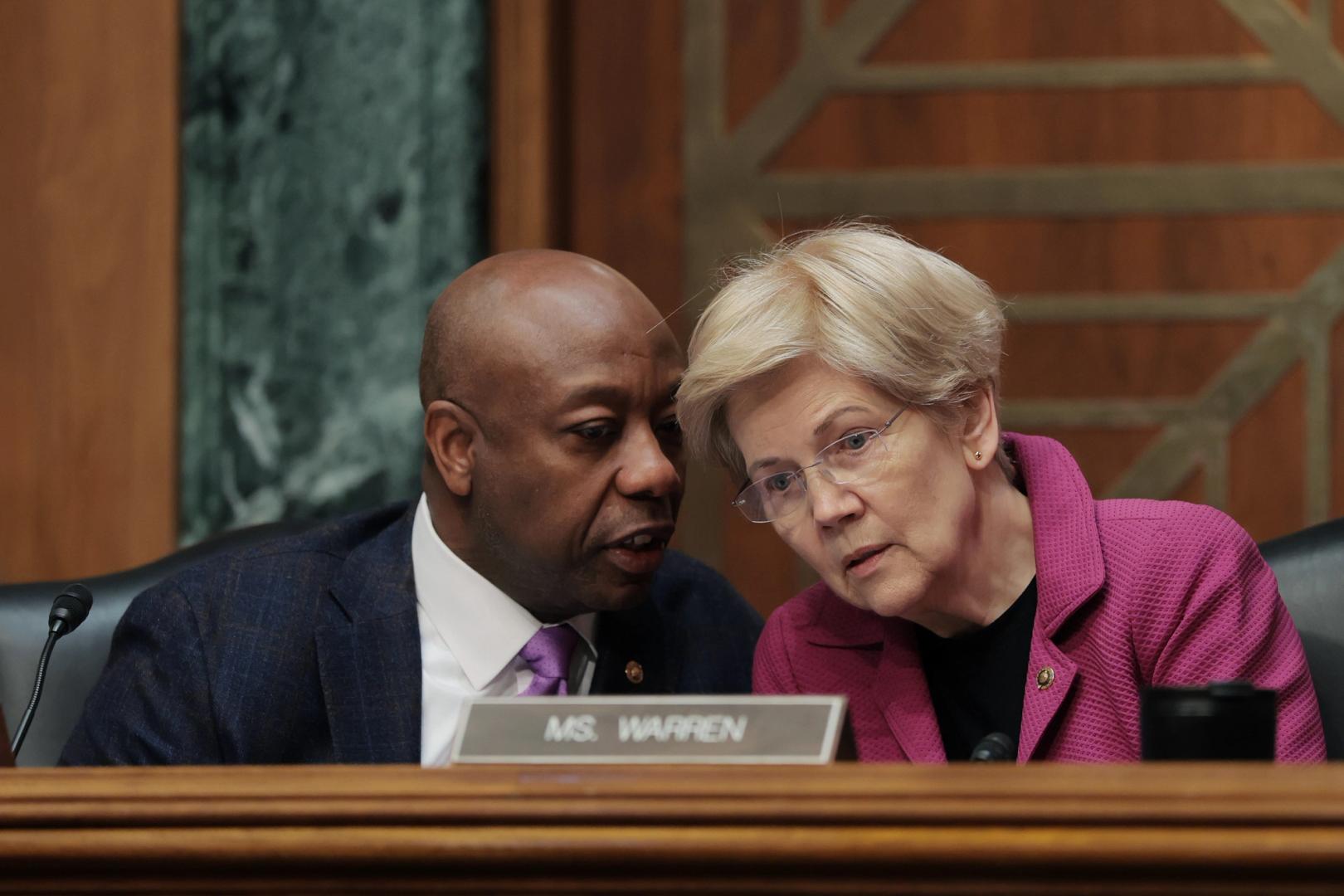
A bipartisan bridge to the future: Why the Senate must finish the job on digital Assets
The Senate Banking Committee advanced the Digital Asset Market Clarity Act with bipartisan support, marking significant momentum for U.S. crypto regulation. The 15-9 markup vote reflects growing recognition that digital asset policy needs federal oversight. Nearly 68 million Americans own crypto, yet 88% of global exchange activity occurs offshore. Congress must pass comprehensive legislation to establish market structure and protect consumers while maintaining American competitiveness.
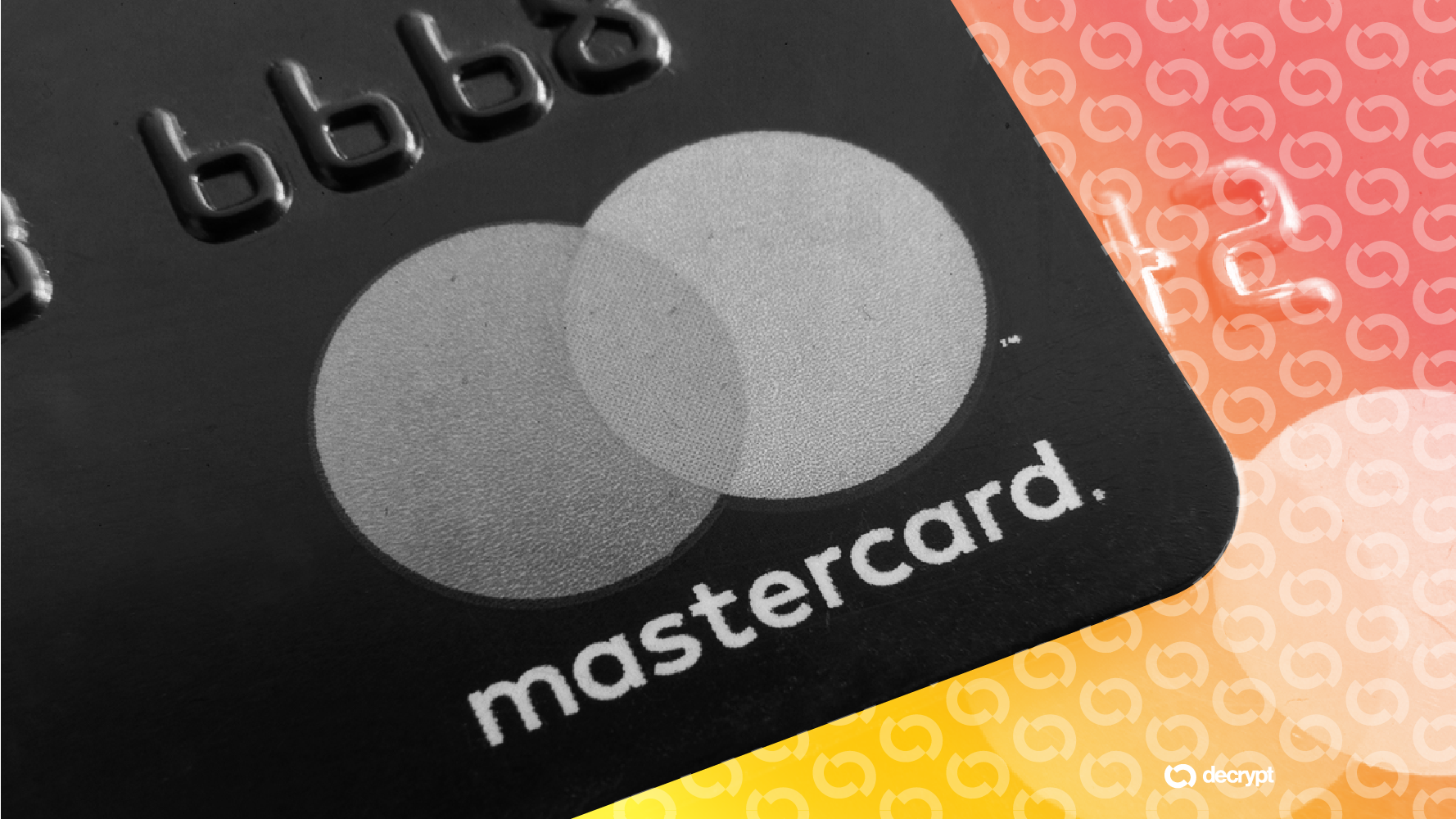
Mastercard Secures New York BitLicense in Push for Stablecoins, Tokenized Deposits
Mastercard obtained New York's BitLicense, enabling it to offer stablecoins and tokenized deposit products. This regulatory milestone strengthens institutional crypto adoption in the U.S., positioning Mastercard as a major player in digital assets. The approval signals growing mainstream acceptance of blockchain-based financial services, though Indian investors should monitor how RBI regulations evolve regarding stablecoins domestically.
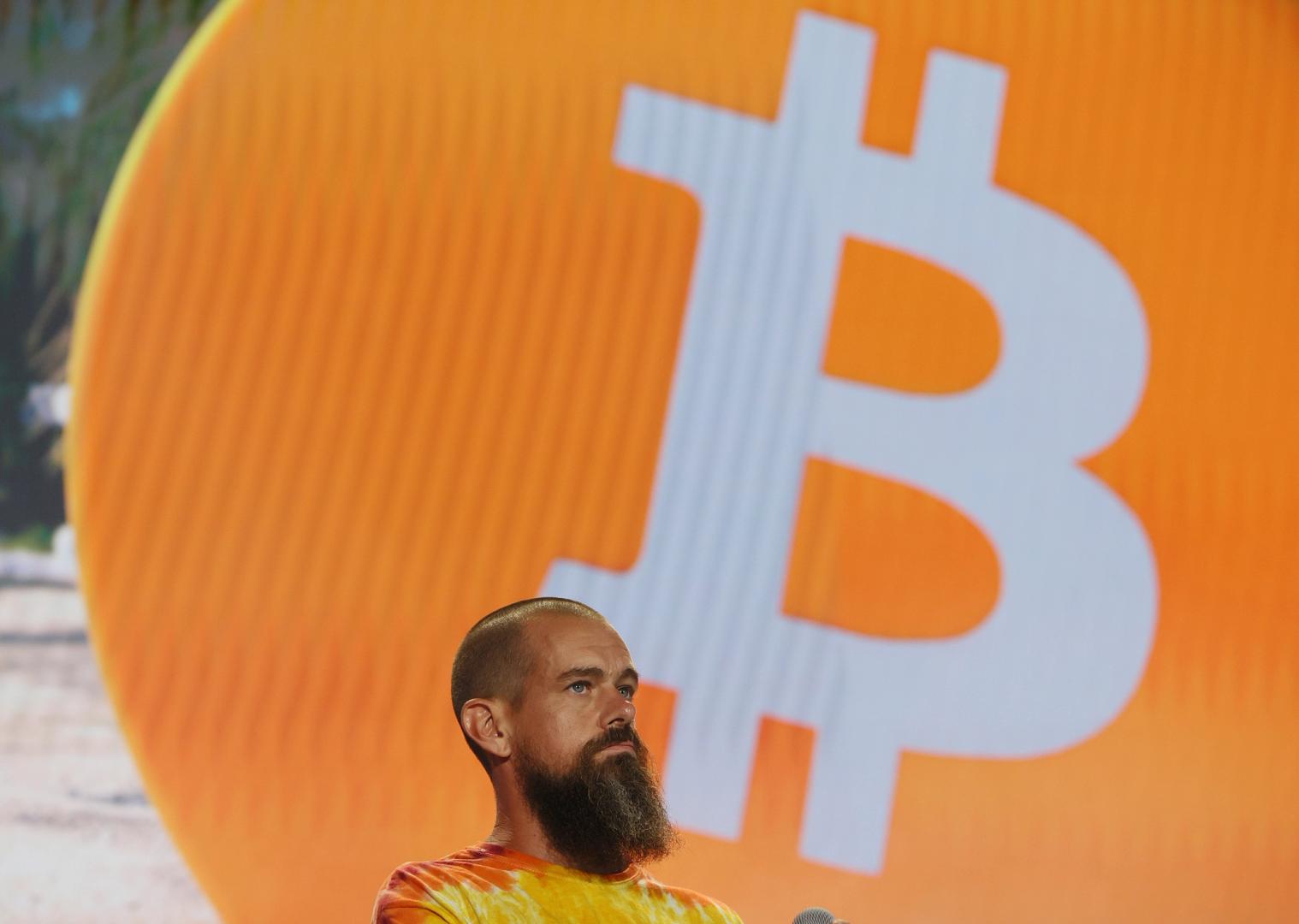
Block kicks off Cash App’s phased stablecoin roll out to its nearly 60 million users
Block's Cash App begins phased rollout of USDC stablecoin payments to its 60 million users, with 25% already enabled and full access expected by week's end. The move signals CEO Jack Dorsey's shift from bitcoin-maximalism toward supporting customer demand for stablecoins across Solana, Ethereum, Polygon, and Arbitrum. Users face $2,000 daily spending limits and unavailability in New York.